



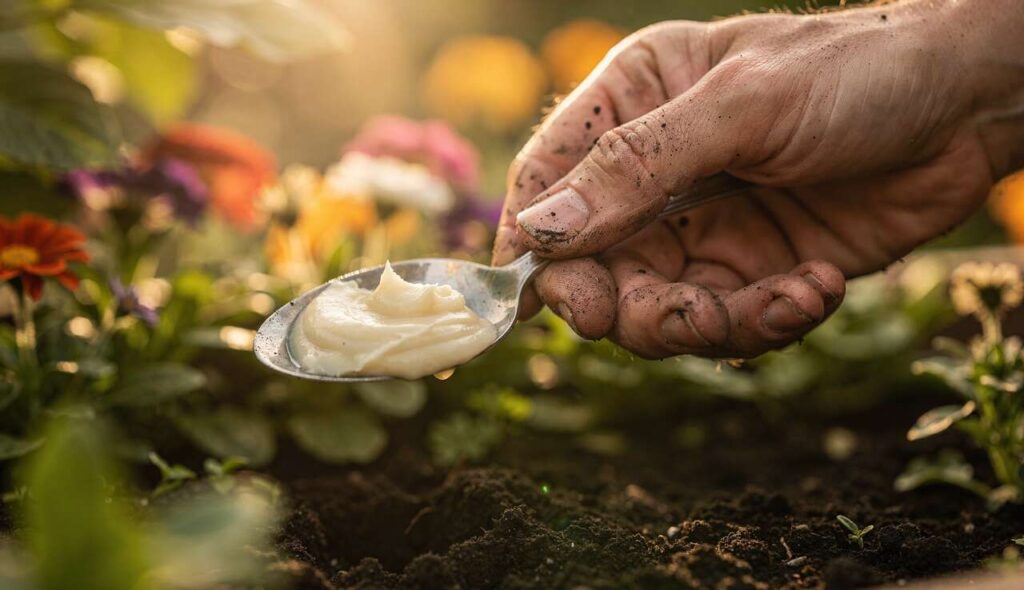
Gardeners seeking natural ways to enhance their plants’ vitality often overlook one of the most powerful allies sitting in their kitchen cupboard. Garlic, long celebrated for its culinary and medicinal properties, possesses remarkable qualities that can transform struggling plants into thriving specimens bursting with blooms. This humble bulb contains compounds that not only strengthen plant defences but also stimulate growth and flowering in ways that many synthetic products cannot replicate. Understanding how to harness garlic’s potential offers gardeners an affordable, organic solution to common cultivation challenges.
The benefits of garlic for your plants
Natural pest deterrent properties
Garlic functions as a powerful natural insecticide that repels numerous common garden pests without harming beneficial insects. The sulphur compounds within garlic, particularly allicin, create an environment that aphids, spider mites, whiteflies, and caterpillars find intolerable. Unlike chemical pesticides, garlic-based treatments do not leave toxic residues on foliage or in soil, making them safe for both plants and the surrounding ecosystem.
Antifungal and antibacterial effects
The antimicrobial properties of garlic extend beyond pest control to combat fungal infections and bacterial diseases that commonly afflict garden plants. Research has demonstrated garlic’s effectiveness against powdery mildew, downy mildew, and various root rot pathogens. These protective qualities help maintain plant health, allowing energy to be directed towards flowering rather than fighting disease.
Growth stimulation and nutrient enhancement
Garlic contains essential minerals and trace elements that benefit plant development:
- sulphur compounds that support protein synthesis
- selenium for enhanced stress resistance
- calcium for stronger cell walls
- phosphorus for improved root development and bloom production
These nutrients work synergistically to create conditions conducive to abundant flowering. Beyond its protective and nutritional contributions, garlic’s impact on soil health and plant resilience sets the foundation for successful application methods.
How to prepare a garlic solution
Basic garlic spray recipe
Creating an effective garlic solution requires minimal ingredients and equipment. For a standard concentration spray, crush or finely mince ten to twelve garlic cloves and steep them in one litre of water overnight. The following morning, strain the mixture through cheesecloth or a fine sieve to remove solid particles that might clog spray bottles. Add a few drops of liquid soap to help the solution adhere to plant surfaces.
Concentrated garlic infusion
For more persistent problems, a stronger infusion delivers enhanced results. Blend an entire garlic bulb with two cups of water until thoroughly liquefied, then let the mixture sit for twenty-four hours. Strain carefully and dilute one part of this concentrate with ten parts water before application. This potent version proves particularly effective against stubborn fungal infections and established pest colonies.
Storage and shelf life considerations
Garlic solutions maintain their potency for approximately one week when stored in a cool, dark location. Refrigeration extends viability slightly, but freshly prepared batches consistently deliver superior results. Prepare only quantities that can be used within this timeframe to maximise effectiveness. With preparation complete, understanding proper application techniques ensures optimal outcomes.
Applying garlic in the garden: method and frequency
Application techniques for maximum effectiveness
Apply garlic solution during early morning or late evening hours when temperatures remain moderate and direct sunlight will not cause leaf burn. Using a spray bottle, thoroughly coat both upper and lower leaf surfaces, as many pests congregate on undersides. Pay particular attention to new growth and flower buds, where infestations typically begin. For soil application, pour diluted garlic water around the base of plants, avoiding direct contact with stems.
Recommended treatment schedule
| Purpose | Frequency | Duration |
|---|---|---|
| Preventative maintenance | Once fortnightly | Throughout growing season |
| Active pest control | Every three days | Two weeks or until resolved |
| Fungal treatment | Twice weekly | Three to four weeks |
| Bloom enhancement | Weekly | During budding phase |
Adjusting application based on weather
Rainfall washes away garlic treatments, necessitating reapplication after heavy precipitation. During periods of high humidity, increase application frequency slightly as fungal risks escalate. Conversely, reduce treatments during drought stress, as plants require time to recover between applications. Recognising which plants respond most favourably to garlic treatments allows gardeners to target their efforts strategically.
Which types of plants benefit most from garlic
Flowering ornamentals
Roses demonstrate particularly impressive responses to garlic treatments, with increased bud formation and more vibrant blooms. Geraniums, petunias, and marigolds also show enhanced flowering when treated regularly. These ornamentals benefit from both garlic’s pest-deterrent properties and its growth-stimulating compounds, resulting in longer blooming periods and healthier foliage.
Vegetable and fruit plants
Tomatoes, peppers, and aubergines experience improved fruit set and disease resistance with consistent garlic applications. Strawberries and other berry plants produce more abundant harvests whilst remaining protected from common fungal infections. The following vegetables respond exceptionally well:
- brassicas such as cabbage and broccoli
- cucurbits including cucumbers and courgettes
- legumes like beans and peas
- leafy greens such as lettuce and spinach
Plants requiring caution
Whilst most plants tolerate garlic treatments well, young seedlings and delicate species may experience stress from concentrated solutions. Always test on a small area before widespread application. Plants in the allium family naturally resist garlic benefits, as they already possess similar compounds. Understanding potential limitations helps gardeners apply garlic treatments safely and effectively.
Precautions to take when using garlic
Concentration and dilution guidelines
Excessive garlic concentration can damage plant tissues, causing leaf burn or stunted growth. Always begin with weaker solutions and gradually increase strength only if plants show no adverse reactions. For sensitive species, dilute standard recipes by an additional fifty percent. Never apply undiluted garlic directly to plants, as the concentrated sulphur compounds prove too harsh for most vegetation.
Timing and environmental considerations
Avoid applying garlic treatments during extreme heat, as the combination of strong sun and garlic compounds intensifies stress on plants. Similarly, refrain from treatment immediately before expected frost, as wet foliage becomes more susceptible to cold damage. Allow at least three days between garlic applications and any other garden treatments to prevent unexpected chemical interactions.
Impact on beneficial organisms
Whilst garlic primarily targets pests, heavy applications may temporarily discourage beneficial insects such as bees and ladybirds. Apply treatments when pollinators are less active, and avoid spraying open flowers directly. Earthworms and soil microorganisms generally tolerate diluted garlic solutions well, but excessive soil drenching may disrupt delicate underground ecosystems. These precautions ensure garlic treatments deliver their intended benefits without unintended consequences.
Effects observed on plants’ blooming
Increased flower production
Gardeners consistently report twenty to thirty percent increases in flower numbers following regular garlic treatments. This enhancement stems from improved overall plant health, allowing more energy allocation towards reproductive processes. Plants freed from pest pressure and disease develop stronger root systems that support abundant blooming.
Enhanced bloom quality and longevity
Beyond quantity, garlic treatments improve flower size, colour intensity, and vase life. Blooms display richer pigmentation and firmer petals that resist wilting. The strengthening effect of garlic’s mineral content creates more robust flower structures capable of withstanding environmental stresses. Many gardeners notice their treated plants maintain peak bloom appearance for several additional days compared to untreated specimens.
Accelerated flowering timeline
Plants receiving garlic applications often initiate flowering earlier than expected, sometimes advancing bloom schedules by one to two weeks. This acceleration occurs because healthy, stress-free plants reach reproductive maturity more quickly. Earlier flowering extends the overall blooming season, providing prolonged garden colour and increased harvest windows for flowering vegetables.
Garlic’s multifaceted benefits make it an invaluable tool for gardeners seeking to enhance plant blooming naturally. Its pest-deterrent properties, disease-fighting capabilities, and growth-stimulating compounds work together to create optimal conditions for flower production. By preparing appropriate solutions, applying them correctly, and observing sensible precautions, gardeners can harness this simple kitchen staple to transform their gardens into flourishing displays of colour and vitality. The documented improvements in bloom quantity, quality, and timing demonstrate that sometimes the most effective gardening solutions come from the most unexpected sources.