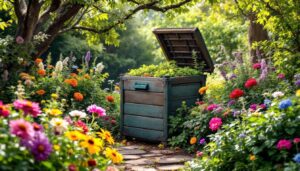
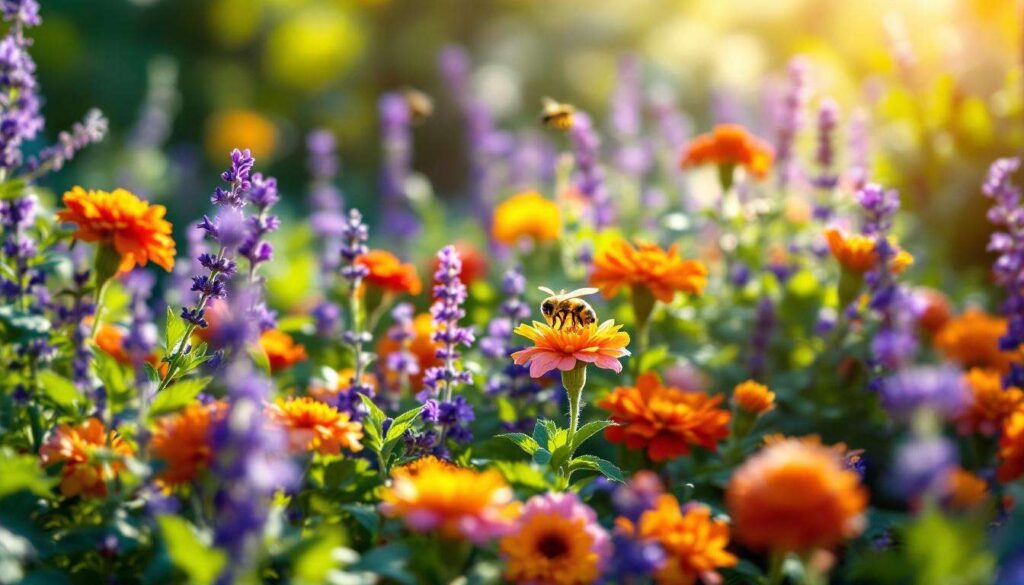
Pollinators face unprecedented challenges across Britain, with bee populations declining at alarming rates due to habitat loss, pesticide use, and diminishing food sources. Gardens represent vital sanctuaries where strategic planting choices can reverse this trend whilst simultaneously enhancing crop productivity. Creating a harmonious blend of nectar-rich flowers alongside vegetable patches transforms ordinary gardens into thriving ecosystems that support essential pollinator populations. This approach delivers remarkable benefits: abundant harvests, healthier plants, and the satisfaction of contributing to environmental conservation. Understanding which plants attract bees most effectively and how to integrate them with edible crops empowers gardeners to prevent the devastating phenomenon known as silent harvest collapse, where crops fail due to inadequate pollination.
Importance of nectar-rich flowers for bees
Nutritional requirements of pollinating insects
Bees require diverse nectar sources throughout their active seasons to maintain colony health and reproductive success. Nectar provides essential carbohydrates for energy, whilst pollen supplies proteins, lipids, vitamins, and minerals necessary for brood development. Different bee species possess varying nutritional needs and foraging preferences, making plant diversity crucial for supporting entire pollinator communities.
A balanced diet enables bees to:
- Maintain strong immune systems against pathogens and parasites
- Produce healthy offspring with improved survival rates
- Sustain energy levels for extensive foraging activities
- Build robust colonies capable of overwintering successfully
- Perform essential pollination services for agricultural crops
Seasonal availability and continuous bloom
Gardens must provide nectar resources from early spring through late autumn to support bees during critical periods. Early-flowering plants sustain emerging queen bumblebees after hibernation, whilst late-season bloomers help colonies build reserves before winter. Strategic succession planting ensures no gaps occur in the floral calendar, preventing starvation periods that weaken bee populations.
| Season | Key flowering plants | Pollinator benefit |
|---|---|---|
| Early spring | Crocus, snowdrops, hellebores | Critical food for emerging queens |
| Late spring | Apple blossom, alliums, borage | Colony establishment support |
| Summer | Lavender, echinacea, phacelia | Peak foraging and reproduction |
| Autumn | Sedum, asters, ivy flowers | Winter preparation reserves |
Understanding these nutritional needs and seasonal patterns forms the foundation for selecting plants that genuinely support bee populations rather than merely decorating garden spaces. The right combinations create year-round pollinator habitats that directly benefit vegetable productivity.
Best honey plants for your garden
Native species with proven pollinator appeal
British native plants have evolved alongside indigenous bee species, creating perfectly matched relationships that maximise pollination efficiency. Native wildflowers require minimal maintenance whilst delivering exceptional nectar yields, making them ideal choices for sustainable gardens. These species thrive in local conditions without excessive watering, fertilisation, or pest control interventions.
Top native selections include:
- Foxgloves: provide tubular flowers perfectly suited for long-tongued bumblebees
- Wild marjoram: offers abundant nectar throughout summer months
- Bird’s-foot trefoil: supports numerous bee species with continuous flowering
- Field scabious: attracts diverse pollinators with accessible flower structures
- Viper’s bugloss: produces exceptional nectar volumes in well-drained soils
Cultivated varieties with high nectar production
Certain cultivated plants deliver outstanding nectar rewards whilst complementing vegetable gardens aesthetically and functionally. Single-flowered varieties consistently outperform double-flowered cultivars because elaborate petals often obscure or eliminate nectar-producing structures. Selecting appropriate cultivars ensures maximum pollinator benefit without sacrificing garden beauty.
Exceptional cultivated choices encompass:
- Borage: self-seeding annual producing copious blue flowers beloved by bees
- Phacelia: rapid-growing green manure doubling as supreme bee forage
- Lavender: drought-tolerant perennial offering prolonged summer nectar
- Cosmos: easy-care annual providing accessible pollen and nectar
- Catmint: hardy perennial with extended flowering periods
Herbs serving dual purposes
Culinary herbs represent particularly valuable garden additions, serving both kitchen requirements and pollinator needs. Allowing herbs to flower transforms them into powerful bee magnets whilst often enhancing their ornamental qualities. Herbs typically require harvesting before full bloom for culinary use, so dedicating separate plants specifically for flowering ensures pollinators receive adequate resources.
| Herb | Flowering period | Pollinator attraction |
|---|---|---|
| Rosemary | March-May | Early-season bumblebees |
| Thyme | June-August | Honeybees and solitary species |
| Sage | May-July | Long-tongued bumblebees |
| Chives | April-June | Diverse bee species |
These carefully selected plants create the botanical framework necessary for supporting robust bee populations, setting the stage for integrating them strategically with productive vegetable crops.
Integrating flowers and vegetables: dual benefit for your harvest
Companion planting principles for pollination
Positioning nectar-rich flowers directly adjacent to or within vegetable beds dramatically increases pollinator visits to crop flowers. Bees demonstrate strong site fidelity, repeatedly visiting productive foraging locations, so attracting them to garden areas simultaneously benefits nearby vegetables requiring pollination. This proximity effect proves particularly crucial for crops producing subtle flowers that might otherwise be overlooked.
Effective integration strategies include:
- Interplanting flowering herbs between vegetable rows
- Creating flower borders immediately surrounding vegetable patches
- Establishing permanent flower strips through annual vegetable rotations
- Incorporating flowering green manures between cropping cycles
- Positioning tall flowering plants as windbreaks protecting vegetables
Vegetables benefiting most from enhanced pollination
Whilst some vegetables produce crops without pollination, many deliver significantly improved yields when adequately pollinated. Fruit-bearing vegetables absolutely require pollinator visits for successful crop formation, making companion flowers essential rather than merely beneficial. Understanding which crops depend on pollinators guides strategic planting decisions.
| Vegetable | Pollination dependency | Yield improvement |
|---|---|---|
| Courgettes | Essential | Complete crop failure without pollinators |
| Runner beans | Highly beneficial | 60-80% yield increase |
| Tomatoes | Beneficial | Improved fruit set and size |
| Pumpkins | Essential | No fruit development without pollination |
| Broad beans | Moderately beneficial | 20-40% yield increase |
Layout designs maximising pollinator access
Garden design significantly influences pollinator efficiency and crop productivity. Bees preferentially visit gardens offering concentrated floral resources rather than scattered individual plants, suggesting that massing flowers creates stronger attraction than dispersed specimens. Thoughtful layouts accommodate both aesthetic preferences and ecological functionality.
Successful design elements comprise:
- Flower blocks containing minimum five plants of each species
- Pathways allowing easy access to all flowering areas
- Sunny positions for maximum nectar production
- Sheltered spots protecting foraging bees from strong winds
- Water sources positioned near flowering plants
These integration techniques transform gardens into cohesive ecosystems where flowers and vegetables mutually support productivity, leading naturally to cultivation practices that further enhance these benefits.
Cultivation methods promoting pollination
Avoiding pesticides harmful to pollinators
Chemical pesticides represent the single greatest controllable threat to garden bee populations. Neonicotinoid insecticides prove particularly devastating, causing disorientation, reduced foraging efficiency, and colony collapse even at sublethal doses. Adopting integrated pest management approaches protects pollinators whilst effectively controlling garden pests through ecological methods.
Pollinator-safe pest control includes:
- Encouraging natural predators like ladybirds and lacewings
- Using physical barriers such as netting and fleece
- Employing targeted organic treatments applied during evening hours
- Selecting pest-resistant vegetable varieties
- Practicing crop rotation disrupting pest life cycles
Providing nesting habitats and shelter
Abundant forage alone proves insufficient if bees lack suitable nesting sites nearby. Approximately 70% of British bee species nest underground, requiring bare soil patches, whilst others utilise hollow stems, wood cavities, or dense vegetation. Creating diverse nesting opportunities ensures resident bee populations capable of consistent pollination services.
Habitat provisions encompass:
- Leaving areas of undisturbed bare soil in sunny locations
- Retaining dead wood and hollow plant stems through winter
- Installing purpose-built bee hotels for cavity-nesting species
- Maintaining dense perennial plantings offering shelter
- Creating south-facing banks ideal for ground-nesting species
Water sources and mineral supplements
Bees require water for colony temperature regulation, brood feeding, and nectar dilution. Shallow water sources with landing platforms prevent drowning whilst providing essential hydration during hot weather when pollination activity peaks. Mineral-rich mud near water sources supplies additional nutrients bees actively seek.
Effective water features include:
- Shallow dishes filled with pebbles or marbles
- Bird baths with sloped edges and stones
- Muddy patches maintained near water sources
- Dripping taps creating accessible water films
- Pond margins with gentle slopes and vegetation
These cultivation practices create optimal conditions for thriving bee populations, directly addressing the factors contributing to harvest failures.
Reducing the risk of silent harvest collapse
Understanding pollination deficits
Silent harvest collapse occurs when crops fail to produce despite appearing healthy, resulting from inadequate pollination rather than disease or nutrient deficiency. This phenomenon increasingly affects gardens as wild pollinator populations decline, creating invisible yield losses that gardeners often attribute to other causes. Recognising pollination deficits enables targeted interventions preventing crop failures.
Warning signs include:
- Abundant flowers producing minimal fruit
- Misshapen or undersized vegetables
- Premature flower drop without fruit formation
- Reduced seed set in crops grown for propagation
- Declining yields despite optimal growing conditions
Monitoring pollinator activity
Regular observation of pollinator visits provides early warning of potential problems whilst confirming that conservation efforts succeed. Simple monitoring protocols track bee numbers, species diversity, and foraging patterns without requiring specialist knowledge. This information guides adaptive management ensuring consistent pollination services.
| Observation time | Target measurement | Interpretation |
|---|---|---|
| Early morning | First bee arrivals | Indicates nearby nesting populations |
| Midday peak | Maximum activity levels | Assesses overall pollinator abundance |
| Species identification | Diversity of bee types | Confirms habitat quality |
| Weather correlation | Activity during conditions | Reveals resilience of populations |
Long-term garden resilience
Sustainable pollinator support requires commitment to practices benefiting bees across multiple seasons and years. Perennial plantings establish stable ecosystems less vulnerable to annual disruptions, whilst ongoing habitat improvements compound benefits over time. Patient investment in pollinator-friendly gardening yields increasingly reliable harvests as bee populations recover and stabilise.
Building resilience involves:
- Prioritising perennial flowers providing consistent resources
- Expanding pollinator habitat annually through incremental additions
- Connecting garden habitats with neighbouring green spaces
- Documenting successes and challenges guiding future decisions
- Sharing knowledge encouraging community-wide pollinator support
Gardens incorporating nectar-rich flowers alongside vegetables create self-sustaining ecosystems where pollinators and productivity flourish together. Strategic plant selection, thoughtful integration, and pollinator-conscious cultivation transform ordinary plots into vital refuges reversing bee declines. The resulting abundance of healthy crops demonstrates that supporting nature delivers tangible benefits extending far beyond environmental altruism. By implementing these practices, gardeners secure harvests against silent collapse whilst contributing meaningfully to pollinator conservation. This approach proves that productive gardening and ecological responsibility represent complementary goals rather than competing priorities, offering hope for reversing troubling pollinator declines through collective grassroots action.