



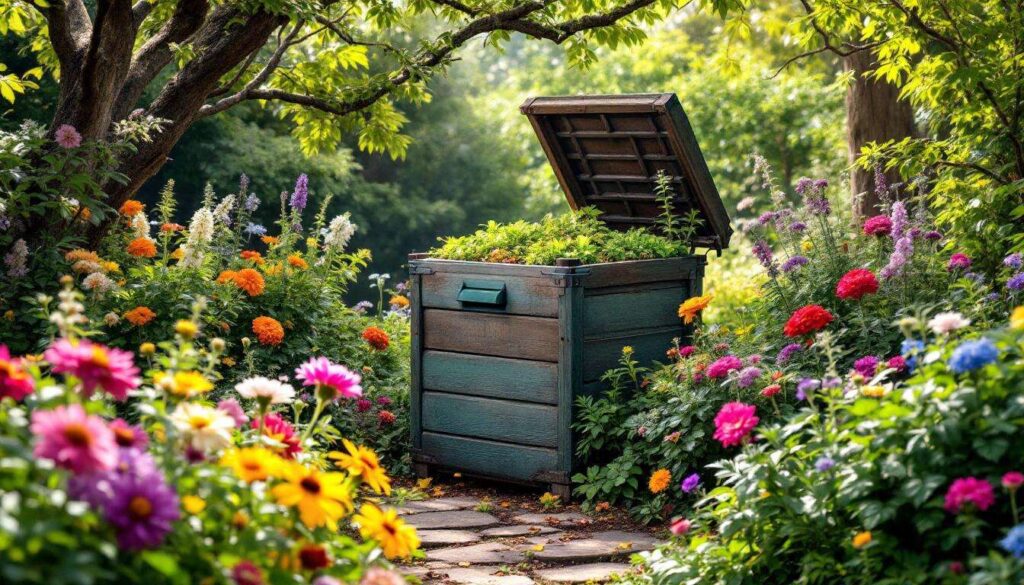
Composting has become increasingly popular amongst gardeners seeking sustainable ways to enrich their soil and reduce household waste. However, many gardeners harbour concerns about whether their compost bins might become an unwelcome attraction for rats. The relationship between compost and rodent activity is more nuanced than a simple yes or no answer, involving multiple factors that determine whether your composting efforts will draw these unwanted visitors. Understanding the dynamics at play can help you make informed decisions about composting whilst maintaining a rodent-free garden environment.
What is compost and why use it ?
The fundamentals of composting
Compost represents the decomposed organic matter that results from the natural breakdown of kitchen scraps, garden waste, and other biodegradable materials. This dark, crumbly substance forms when microorganisms, fungi, and invertebrates work together to transform raw materials into nutrient-rich humus. The composting process requires four essential elements: carbon-rich materials (browns), nitrogen-rich materials (greens), moisture, and oxygen. When these components combine in proper proportions, they create an environment where beneficial organisms thrive and efficiently break down organic waste.
Environmental and practical benefits
Gardeners embrace composting for numerous compelling reasons that extend beyond simple waste reduction:
- Reduces household waste sent to landfills by up to 30 per cent
- Creates a free, high-quality soil amendment rich in nutrients
- Improves soil structure, water retention, and drainage
- Supports beneficial microorganisms that promote plant health
- Reduces the need for chemical fertilisers
- Lowers carbon footprint associated with waste transportation
The economic advantages prove equally attractive, as compost eliminates the need to purchase expensive soil amendments whilst simultaneously reducing waste disposal costs. These combined benefits make composting an increasingly attractive practice for environmentally conscious households.
Rats and gardens: a possible cohabitation ?
Understanding rat behaviour in urban environments
Rats inhabit gardens regardless of whether compost bins exist, as these adaptable creatures seek three fundamental requirements: food, water, and shelter. Gardens naturally provide all these necessities through fallen fruit, bird feeders, standing water, and dense vegetation. The brown rat, Britain’s most common species, demonstrates remarkable intelligence and caution when exploring new territories. These nocturnal animals typically establish territories near reliable food sources and construct elaborate burrow systems beneath sheds, decking, or overgrown areas.
The reality of rat presence
Research indicates that rat populations remain relatively stable in urban and suburban areas, with compost bins representing just one potential food source amongst many. The creatures exhibit opportunistic feeding behaviours, consuming everything from insects and seeds to human food waste. Gardens without compost may still harbour rats attracted by other features such as pet food left outdoors, unsecured rubbish bins, or neighbouring properties with food sources.
| Garden feature | Attraction level for rats | Mitigation difficulty |
|---|---|---|
| Poorly managed compost | High | Moderate |
| Bird feeders | High | Low |
| Dense vegetation | Medium | Low |
| Standing water | Medium | Low |
| Unsecured bins | Very high | Very low |
Understanding these patterns helps gardeners recognise that eliminating compost alone won’t necessarily solve rat problems, as addressing multiple attractants proves more effective.
Factors attracting rats to compost
Food waste composition matters
The type of materials added to compost bins significantly influences rat attraction. Cooked food, meat, fish, dairy products, and oils emit strong odours that rats detect from considerable distances. These protein and fat-rich items decompose slowly and create concentrated food sources that rats find irresistible. Conversely, vegetable peelings, coffee grounds, and garden waste produce less appealing scents and break down more rapidly, reducing their attractiveness to rodents.
Compost bin design and placement
The physical characteristics of composting systems play crucial roles in determining rodent access:
- Open heaps without barriers provide easy entry points
- Bins with gaps larger than 6 millimetres allow rat access
- Ground-level placement enables burrowing underneath
- Proximity to walls or fences creates protected access routes
- Insufficient aeration leads to anaerobic decomposition and stronger odours
Maintenance practices
Neglected compost bins become prime targets for rats when materials accumulate without proper management. Infrequent turning allows food waste to concentrate in accessible pockets, whilst inadequate moisture control creates either dry, slow-decomposing piles or waterlogged, smelly masses. Both conditions extend the period during which attractive food sources remain available to opportunistic rodents.
How to secure your compost to avoid rodents
Choosing the right composting system
Selecting an appropriate compost container represents the first line of defence against rat intrusion. Enclosed bins with secure lids and bases prove far more effective than open heaps. Purpose-built compost bins featuring solid sides, lockable lids, and mesh bases prevent rats from burrowing underneath whilst maintaining adequate ventilation. Some gardeners install their bins on paving slabs or wire mesh to create additional barriers against determined diggers.
Material selection and management
Implementing strict protocols about what enters your compost bin dramatically reduces rat attraction:
- Exclude all cooked foods, meat, fish, and dairy products
- Bury fresh additions beneath existing material
- Maintain proper brown-to-green ratios (approximately 3:1)
- Chop materials into smaller pieces for faster decomposition
- Add lime occasionally to reduce acidity and odours
- Keep a layer of brown material on top as a barrier
Active management techniques
Regular maintenance routines ensure compost remains unattractive to rats. Turning the pile weekly introduces oxygen, accelerates decomposition, and disrupts any potential nesting attempts. Monitoring moisture levels keeps the heap at the optimal consistency of a wrung-out sponge, preventing the anaerobic conditions that produce foul odours. Adding garden lime or sprinkling pepper around the bin’s exterior can deter rats through scent disruption, though these measures require regular reapplication.
The benefits of composting despite the risks
Environmental impact justification
The ecological advantages of composting substantially outweigh the manageable risks of rat attraction. Diverting organic waste from landfills prevents methane emissions, a greenhouse gas 25 times more potent than carbon dioxide. Compost application reduces reliance on peat-based products, protecting vital carbon-storing habitats. These environmental benefits contribute meaningfully to climate change mitigation efforts at the household level.
Soil health and productivity gains
Compost transforms garden soil through multiple mechanisms that chemical fertilisers cannot replicate. The living ecosystem within mature compost introduces beneficial bacteria, fungi, and microorganisms that suppress plant diseases and improve nutrient availability. Improved soil structure enhances root development, increases drought resistance, and reduces erosion. Gardens enriched with compost demonstrate measurably higher productivity and plant vitality compared to those relying solely on synthetic inputs.
Alternatives to traditional composting to reduce rat attraction
Bokashi composting systems
The Bokashi method employs anaerobic fermentation using specialised bran inoculated with effective microorganisms. This sealed system accepts all food waste, including meat and dairy, without producing odours that attract rats. The process occurs indoors in airtight buckets, eliminating rodent access entirely. After fermentation, the pre-composted material can be buried directly in soil or added to traditional compost bins where it breaks down rapidly.
Worm composting advantages
Vermicomposting utilises composting worms in contained systems that process kitchen waste efficiently whilst remaining unattractive to rats. Worm bins operate indoors or in protected outdoor locations, featuring tight-fitting lids and elevated designs that prevent rodent entry. The worms consume food scraps quickly, minimising the window during which odours might attract unwanted visitors. This method produces both nutrient-rich castings and liquid fertiliser whilst occupying minimal space.
Hot composting techniques
Hot composting generates internal temperatures exceeding 60 degrees Celsius through careful material balancing and frequent turning. These elevated temperatures accelerate decomposition dramatically, reducing the time food waste remains accessible. The heat also creates an uncomfortable environment for rats, discouraging exploration and nesting. This intensive method requires larger volumes of material and more labour but produces finished compost within weeks rather than months.
Composting remains a valuable practice for environmentally conscious gardeners despite legitimate concerns about attracting rats. The key lies in understanding that proper management techniques, appropriate bin selection, and careful material choices effectively minimise rodent risks whilst preserving composting’s substantial benefits. Whether through traditional methods with enhanced security measures or alternative systems like Bokashi and vermicomposting, gardeners can successfully transform waste into valuable soil amendments without creating rat havens. The evidence suggests that well-maintained compost systems pose minimal attraction compared to other common garden features, making abandonment of composting an unnecessarily extreme response to manageable challenges.