



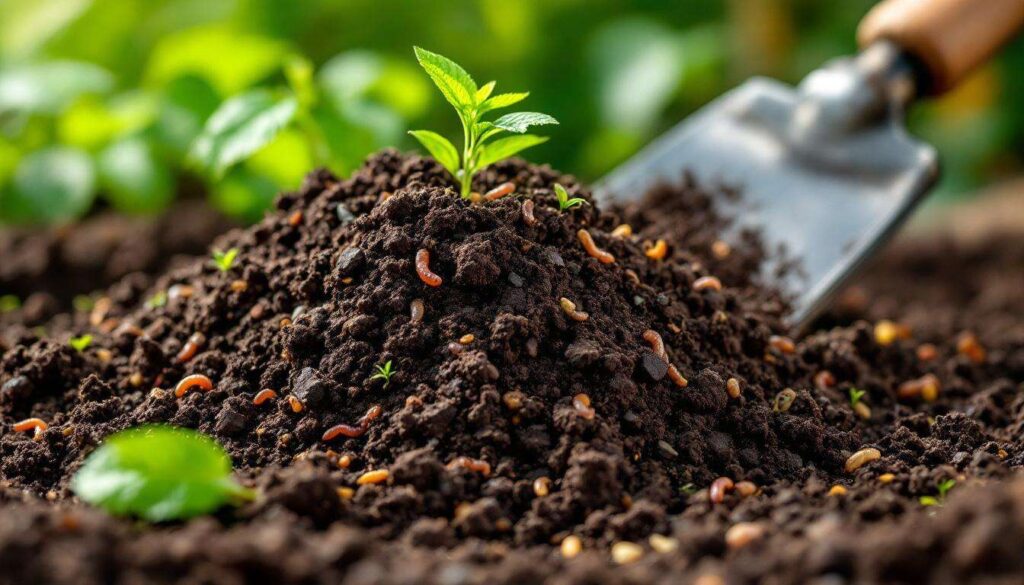
Every gardener knows the frustration of spending money on multiple fertilisers to keep their plants thriving. Yet there exists a completely free resource that can replace nitrogen, phosphorus, and potassium supplements in one go. This remarkable waste product sits in kitchens across the country, often destined for the bin rather than the garden bed. Coffee grounds represent an overlooked treasure for anyone serious about sustainable gardening, but their effectiveness depends entirely on proper application. Used incorrectly, they can harm rather than help your plants, turning a potential asset into a genuine problem.
What is this free waste ?
The waste in question is spent coffee grounds, the dark residue left after brewing your morning cup. British households generate approximately 500,000 tonnes of coffee waste annually, with the vast majority ending up in landfill sites. These grounds contain valuable nutrients that plants require for healthy growth, making them an ideal substitute for commercial fertilisers.
Nutritional composition of coffee grounds
Coffee grounds offer a surprisingly balanced nutritional profile for garden use. Their composition makes them particularly valuable as a soil amendment:
| Nutrient | Percentage by weight | Primary benefit |
|---|---|---|
| Nitrogen | 2.0% | Promotes leaf growth |
| Phosphorus | 0.3% | Supports root development |
| Potassium | 0.3% | Enhances flowering and fruiting |
Beyond these macronutrients, coffee grounds contain magnesium, copper, and calcium, all essential for plant metabolism. The organic matter also improves soil structure, enhancing water retention and aeration.
Availability and sourcing
Securing a steady supply requires minimal effort. Most coffee shops willingly provide used grounds free of charge, often keeping them in designated containers for collection. Chain establishments frequently participate in recycling programmes, whilst independent cafés appreciate the reduced waste disposal costs. Home brewers generate sufficient quantities for small to medium gardens, with a typical household producing roughly 2-3 kilograms monthly.
Understanding what coffee grounds contain naturally leads to examining why they prove so effective in garden applications.
The benefits of using this waste as a fertiliser
Coffee grounds deliver multiple advantages that extend well beyond their nutritional content. Their physical and chemical properties create conditions that support robust plant growth whilst addressing common soil deficiencies.
Soil structure improvement
The organic matter in coffee grounds acts as a soil conditioner, breaking up heavy clay soils and adding body to sandy substrates. As the grounds decompose, they create channels that allow air and water to penetrate deeper into the root zone. This improved structure encourages beneficial microorganisms, including earthworms, which further enhance soil quality through their natural activities.
Slow-release nutrient provision
Unlike synthetic fertilisers that deliver nutrients rapidly, coffee grounds release their goodness gradually as they break down. This sustained feeding pattern prevents the nutrient spikes and subsequent crashes that can stress plants. The decomposition process typically spans several months, providing consistent nourishment throughout the growing season without requiring repeated applications.
Cost savings and accessibility
The financial advantages prove substantial for regular gardeners:
- Eliminates the need to purchase separate nitrogen, phosphorus, and potassium fertilisers
- Reduces spending on soil conditioners and compost accelerators
- Provides a free alternative to expensive organic amendments
- Decreases waste disposal costs for coffee drinkers
A household using coffee grounds exclusively can save between £30 and £50 annually on fertiliser purchases, with larger gardens realising even greater economies.
Recognising these benefits naturally prompts questions about implementation methods.
How to correctly use this waste in your garden
Proper application techniques determine whether coffee grounds enhance or inhibit plant growth. The key lies in understanding their properties and matching application methods to specific garden situations.
Direct soil incorporation
The most straightforward method involves mixing coffee grounds directly into garden soil. Apply a layer no thicker than 1-2 centimetres and work it into the top 5-10 centimetres of soil using a fork or cultivator. This technique works best when performed several weeks before planting, allowing time for initial decomposition. Never apply fresh grounds in thick layers, as they can form an impermeable barrier that repels water and prevents oxygen from reaching plant roots.
Composting for optimal results
Incorporating coffee grounds into compost heaps produces superior results compared to direct application. Add grounds as a green material, balancing them with brown materials like dried leaves or shredded paper in a ratio of approximately 1:3. The composting process neutralises compounds that might otherwise inhibit plant growth whilst creating a richer, more balanced soil amendment. Turn the heap regularly to ensure proper decomposition and prevent matting.
Liquid fertiliser preparation
Creating a coffee ground “tea” provides nutrients in immediately available form:
- Place 250 grams of used grounds in a 5-litre bucket
- Fill with water and stir thoroughly
- Allow to steep for 24-48 hours
- Strain the liquid and dilute further if it appears very dark
- Apply directly to soil around plants, avoiding foliage
This liquid fertiliser suits container plants particularly well, delivering nutrients without altering the growing medium’s physical structure.
Knowing application methods leads naturally to considering which plants respond most favourably.
Which types of crops benefit most from this waste
Whilst coffee grounds offer value across many plant types, certain crops demonstrate exceptional responses to their application. Matching grounds to appropriate plants maximises benefits whilst avoiding potential complications.
Acid-loving plants
Despite common misconceptions, used coffee grounds are only slightly acidic, with a pH typically between 6.5 and 6.8. However, they still benefit plants that prefer acidic conditions:
| Plant type | Optimal pH range | Response to coffee grounds |
|---|---|---|
| Blueberries | 4.5-5.5 | Excellent growth and fruiting |
| Azaleas | 5.0-6.0 | Enhanced flowering |
| Rhododendrons | 4.5-6.0 | Improved foliage colour |
Heavy-feeding vegetables
Crops with high nitrogen requirements respond particularly well to coffee ground applications. Tomatoes, courgettes, and brassicas all benefit from the steady nitrogen release, producing more vigorous growth and higher yields. Apply composted grounds at planting time and supplement with liquid feeds during the growing season for optimal results.
Root vegetables and leafy greens
Carrots, radishes, and salad crops appreciate both the nutritional content and the improved soil structure that coffee grounds provide. The enhanced drainage prevents waterlogging whilst the organic matter retains sufficient moisture during dry periods. Mix well-composted grounds into beds before sowing for best germination rates and uniform growth.
Understanding which plants thrive with coffee grounds naturally raises awareness of potential pitfalls.
Mistakes to avoid when applying this alternative fertiliser
Even experienced gardeners can misuse coffee grounds, leading to disappointing results or actual plant damage. Recognising common errors helps ensure successful application.
Excessive application rates
The most frequent mistake involves applying too much material too quickly. Fresh coffee grounds contain compounds that can inhibit seed germination and suppress plant growth when used in excess. Limit applications to no more than 25% of your total soil amendment by volume, and always incorporate grounds thoroughly rather than leaving them in thick surface layers.
Using grounds on unsuitable plants
Certain plants actively dislike coffee grounds despite their general benefits:
- Seedlings and young transplants can be stunted by fresh grounds
- Geraniums often develop chlorosis when exposed to coffee residue
- Asparagus ferns show reduced vigour with regular applications
- Some herbs, particularly rosemary, perform poorly with coffee amendments
Neglecting to compost first
Applying fresh grounds directly to soil around established plants represents a risky practice. The decomposition process temporarily locks up nitrogen as microorganisms break down the organic matter, potentially starving plants during this period. Always compost grounds first or apply them well in advance of planting to avoid this nitrogen immobilisation effect.
Ignoring mould development
Coffee grounds stored in damp conditions quickly develop mould, which some gardeners mistakenly apply to their plots. Whilst most moulds prove harmless, some species can cause plant diseases or trigger allergic reactions. Store grounds in breathable containers and use them promptly, or dry them thoroughly before storage to prevent fungal growth.
Avoiding these mistakes not only protects your garden but also contributes to broader environmental benefits.
The positive environmental impact of recycling this waste
Diverting coffee grounds from landfill to garden creates measurable environmental advantages that extend beyond individual properties. This practice addresses multiple sustainability challenges simultaneously.
Reduction in landfill waste
Coffee grounds decompose anaerobically in landfill conditions, producing methane, a greenhouse gas 25 times more potent than carbon dioxide. By redirecting this waste stream to gardens, households prevent these emissions whilst reducing the volume of material requiring disposal. British coffee consumption generates enough grounds annually to fill approximately 50,000 refuse lorries, representing a significant waste management burden.
Decreased reliance on synthetic fertilisers
Manufacturing synthetic fertilisers consumes enormous amounts of energy and produces substantial carbon emissions. The Haber-Bosch process for nitrogen fertiliser production alone accounts for roughly 1-2% of global energy consumption. Substituting coffee grounds for commercial products reduces demand for these energy-intensive processes whilst eliminating the environmental damage associated with fertiliser runoff into waterways.
Support for circular economy principles
Using coffee grounds exemplifies circular economy thinking, where waste from one process becomes input for another:
- Coffee beans grow using soil nutrients
- Humans extract desired compounds through brewing
- Remaining grounds return nutrients to soil
- Enhanced soil grows better crops, including potentially more coffee
This closed-loop approach minimises resource extraction whilst maximising the value obtained from each input.
Gardens enriched with coffee grounds demonstrate that effective fertilisation need not depend on expensive commercial products or environmentally damaging synthetic chemicals. This freely available waste provides nitrogen, phosphorus, and potassium whilst improving soil structure and supporting beneficial microorganisms. Success requires proper application techniques, particularly composting before use and avoiding excessive quantities. Acid-loving plants and heavy feeders respond most dramatically, though nearly all crops benefit when grounds are used appropriately. The environmental advantages extend well beyond individual gardens, reducing landfill waste and decreasing demand for energy-intensive fertiliser production. By transforming a disposal problem into a gardening solution, coffee grounds represent sustainable horticulture at its most practical and accessible.