

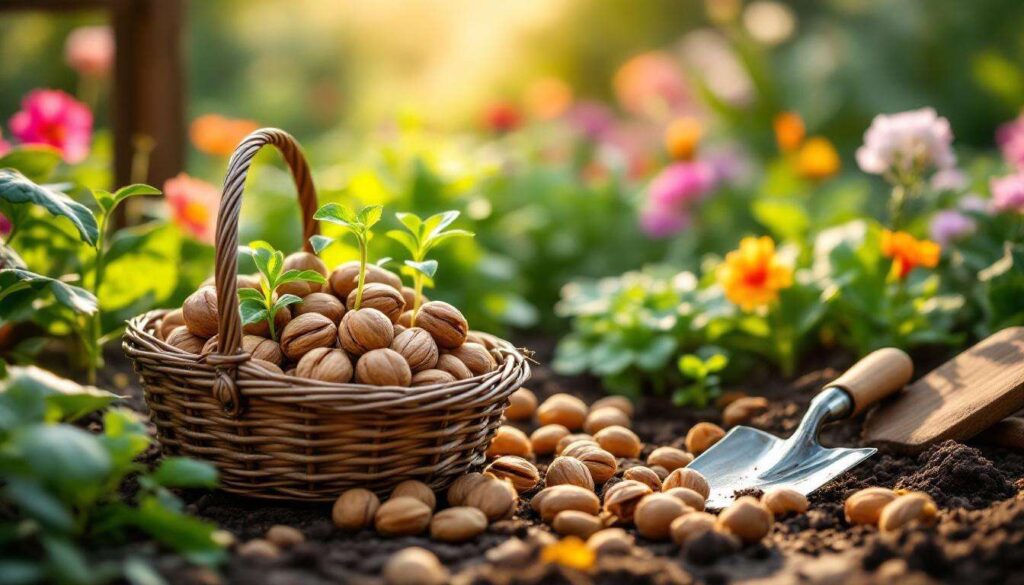
Most gardeners toss walnut shells into the compost bin or rubbish without a second thought, yet these hard casings possess remarkable qualities that could transform your gardening practices. These seemingly worthless remnants from your kitchen contain natural compounds and physical properties that address common garden challenges whilst promoting healthier plant growth. Understanding how to harness these discarded materials opens up sustainable solutions that save money and reduce waste.
The discovery of walnut shells: an unexpected treasure
From waste product to garden asset
Walnut shells have long been overlooked as mere kitchen waste, destined for disposal after extracting the nutritious kernels inside. However, gardening enthusiasts and agricultural researchers have increasingly recognised these hard casings as valuable resources. The shells possess a unique combination of durability, porosity, and chemical composition that makes them exceptionally useful in various horticultural applications.
The physical structure of walnut shells provides several advantages over conventional gardening materials. Their hard exterior resists decomposition for extended periods, whilst their irregular shapes create air pockets that improve soil structure. Additionally, the shells contain juglone, a natural compound that serves specific purposes when applied correctly in garden settings.
Historical uses and modern applications
Traditional farming communities have utilised walnut shells for generations, though their knowledge often remained localised. Modern gardening science has now validated many of these practices whilst discovering new applications. The shells serve multiple functions:
- Soil amendment and drainage improvement
- Mulching material for weed suppression
- Pest deterrent around vulnerable plants
- Decorative ground cover for pathways
- Carbon-rich compost component
These diverse applications demonstrate why dismissing walnut shells as rubbish represents a missed opportunity for resourceful gardeners seeking sustainable solutions.
Beneficial properties of walnut shells for the garden
Physical characteristics that benefit soil
The robust nature of walnut shells makes them particularly valuable for improving soil structure. When incorporated into garden beds, crushed shells create lasting air channels that enhance drainage whilst preventing soil compaction. Unlike organic mulches that decompose rapidly, walnut shells maintain their structure for several seasons, providing consistent benefits without frequent replacement.
The irregular surfaces of shell fragments also encourage beneficial microbial activity. These microorganisms colonise the porous surfaces, contributing to nutrient cycling and soil health. The shells’ slow decomposition rate means they release nutrients gradually, avoiding the nutrient spikes and subsequent depletion common with faster-decomposing materials.
Natural chemical properties
Walnut shells contain juglone, a biochemical compound that influences plant growth in specific ways. Whilst juglone can inhibit certain plants, this property becomes advantageous when strategically applied. Understanding which plants tolerate or benefit from juglone exposure allows gardeners to use walnut shells selectively for targeted effects.
| Property | Benefit | Duration |
|---|---|---|
| Hard texture | Long-lasting mulch | 2-3 years |
| Porosity | Water retention | Permanent |
| Juglone content | Selective weed control | 6-12 months |
| Carbon structure | Soil amendment | 3-5 years |
These properties work synergistically to create an environment that supports robust plant growth whilst naturally addressing common garden problems. Recognising these benefits leads naturally to practical methods for preparing and applying walnut shells in your garden.
Smart recycling: how to prepare and use the shells
Collection and initial preparation
Gathering walnut shells requires minimal effort, especially during autumn when fresh walnuts become available. Collect shells after cracking nuts for culinary use, ensuring they’re free from mould or decay. Store accumulated shells in a dry location until you’ve gathered sufficient quantities for your gardening projects.
Before application, shells benefit from basic preparation. Rinse them to remove any residual nut fragments that might attract rodents. Allow shells to dry completely, which prevents mould development during storage. For certain applications, crushing or grinding the shells into smaller fragments increases their versatility and speeds decomposition.
Processing methods for different applications
The intended use determines how finely you should process walnut shells. Whole or roughly broken shells work excellently as decorative mulch or pathway covering, whilst finely ground shells integrate better into soil amendments. Several processing options exist:
- Leave whole for large-scale mulching projects
- Break into halves or quarters using a hammer for medium-grade mulch
- Crush into small fragments with a mortar or mechanical grinder for soil incorporation
- Pulverise into powder for rapid composting or liquid fertiliser preparation
Investing time in proper preparation ensures walnut shells deliver maximum benefits for their specific application. Once prepared, these materials become versatile tools for enriching your garden’s fertility.
Walnut shells as natural fertiliser
Nutrient composition and release patterns
Walnut shells contain valuable nutrients that become available as they decompose. The shells provide potassium, phosphorus, and trace minerals essential for plant health. Their slow breakdown rate creates a time-release fertiliser effect, delivering nutrients steadily over multiple growing seasons rather than causing rapid nutrient fluctuations.
The carbon-rich composition of walnut shells also improves soil structure when incorporated into compost or applied directly. As microorganisms break down the shells, they create humus that enhances water retention and nutrient-holding capacity. This process particularly benefits sandy soils that struggle to retain moisture and fertility.
Application methods for fertilisation
Incorporating walnut shells into your fertilisation programme requires understanding their decomposition timeline. Crushed shells work best when mixed into compost heaps, where they contribute carbon whilst creating air spaces that prevent anaerobic conditions. Alternatively, dig ground shells directly into garden beds several months before planting, allowing initial decomposition to occur.
For established plants, apply a layer of crushed shells around the root zone, keeping them away from stems to prevent moisture-related issues. Water penetrates the shell layer, carrying dissolved nutrients downward to roots. This method proves especially effective for perennial plants and shrubs that benefit from long-term nutrient availability.
Beyond fertilisation, walnut shells offer protective benefits that safeguard plants from various threats.
Protecting your plants with walnut shells
Natural pest deterrence
The sharp edges and hard texture of crushed walnut shells create an effective barrier against soft-bodied pests such as slugs and snails. These creatures avoid crossing rough surfaces that damage their delicate bodies. Spreading a border of crushed shells around vulnerable plants provides protection without chemical interventions.
The juglone content in walnut shells also deters certain insects and soil-dwelling pests. Whilst not a comprehensive pest control solution, this natural compound contributes to an integrated pest management approach. Combining shell barriers with other organic methods creates robust protection for your garden.
Weed suppression benefits
A thick layer of walnut shells serves as excellent weed-suppressing mulch. The shells block sunlight from reaching weed seeds, preventing germination whilst allowing water and air to penetrate to plant roots. Their longevity means less frequent mulch replacement compared to straw or wood chips.
The juglone naturally present in walnut shells provides additional weed control by inhibiting the germination and growth of certain plant species. This selective effect targets common weeds whilst leaving juglone-tolerant garden plants unaffected. Understanding which plants thrive alongside walnut shells ensures successful implementation of this strategy.
Practical tips for optimal use of walnut shells in the garden
Plant compatibility considerations
Not all plants tolerate juglone equally, making plant selection crucial when using walnut shells extensively. Tomatoes, peppers, and potatoes show sensitivity to juglone and should be kept away from areas heavily mulched with fresh walnut shells. Conversely, many plants demonstrate excellent tolerance:
- Beans and peas thrive near walnut shell mulch
- Squash family members show good tolerance
- Most herbs remain unaffected by juglone
- Ornamental grasses and many perennials adapt well
- Root vegetables like carrots and beetroot tolerate walnut shells
Application timing and quantities
Apply walnut shells strategically throughout the growing season for maximum benefit. Spring application provides weed suppression during peak germination periods, whilst autumn applications protect soil structure during winter weather. Use generous quantities for mulching, creating layers 5-8 centimetres deep for effective coverage.
For soil incorporation, limit crushed shells to approximately 10-15% of the total volume to avoid excessive carbon that might temporarily reduce nitrogen availability. Monitor plant response and adjust applications accordingly, increasing or decreasing shell use based on observed results.
Storage and long-term management
Store collected walnut shells in dry, ventilated containers to prevent mould development. Properly stored shells remain viable for years, allowing you to accumulate sufficient quantities for larger projects. Label containers with collection dates to track age, as older shells with reduced juglone content suit sensitive plants better.
Regularly assess mulched areas, replenishing shells as they decompose or disperse. The slow breakdown rate means infrequent replacement, making walnut shells an economical long-term mulching solution. Rake shells occasionally to maintain even coverage and prevent matting that might impede water penetration.
Walnut shells represent a genuinely sustainable gardening resource that addresses multiple needs simultaneously. Their durability, nutrient content, and protective properties make them valuable additions to any garden, transforming waste into a practical asset. By collecting, preparing, and applying these shells thoughtfully, gardeners access free materials that improve soil health, deter pests, and suppress weeds naturally. The key lies in understanding plant compatibility and applying shells appropriately for specific situations. Rather than discarding these kitchen remnants, embrace them as the versatile gardening tools they truly are, contributing to more sustainable and productive growing practices.