
Gardeners across the United Kingdom face a persistent challenge each summer: the unwelcome presence of hornets. These aggressive insects not only pose a threat to human safety but also disrupt the delicate balance of garden ecosystems. Whilst chemical solutions and traps offer temporary relief, a more sustainable and natural approach has emerged from traditional farming practices. Certain breeds of poultry, particularly one formidable hen, have proven remarkably effective at deterring these striped invaders whilst simultaneously enriching garden environments. This avian solution combines pest control with practical benefits, transforming a common garden problem into an opportunity for ecological harmony.
Introduction to hens and their role in the ecosystem
Natural pest controllers in the garden environment
Hens have served as invaluable allies in agricultural settings for centuries, their contributions extending far beyond egg production. These birds possess an innate hunting instinct that makes them exceptionally skilled at controlling various garden pests. Their keen eyesight and quick reflexes enable them to spot and capture insects with remarkable efficiency.
The ecological benefits of maintaining hens in garden spaces include:
- Natural reduction of insect populations including beetles, caterpillars, and flying pests
- Soil aeration through scratching and foraging behaviours
- Nutrient cycling via high-quality manure production
- Weed seed consumption, reducing unwanted plant growth
- Minimal environmental impact compared to chemical pest control methods
The predatory instincts of poultry
Chickens demonstrate remarkable predatory behaviour that often surprises those unfamiliar with their capabilities. Despite their domestication, these birds retain powerful hunting instincts inherited from their wild ancestors. They actively pursue moving targets, snapping at flying insects with impressive accuracy. This behaviour proves particularly effective against larger insects such as hornets, which trigger their chase response due to their size and distinctive flight patterns.
Understanding these natural behaviours helps gardeners appreciate how hens can seamlessly integrate into pest management strategies whilst maintaining the garden’s ecological balance.
Hornets: nuisances and dangers to the garden
Threats posed by hornet populations
Hornets represent a significant concern for gardeners throughout the United Kingdom, particularly during late summer and autumn months. These large wasps construct substantial nests that can house hundreds of individuals, creating zones of danger within otherwise peaceful garden spaces. Their aggressive territorial behaviour means that anyone venturing near their nests risks multiple stings, which can prove dangerous for those with allergies.
| Hornet species | Average colony size | Peak activity period | Aggression level |
|---|---|---|---|
| European hornet | 300-500 individuals | August-October | Moderate to high |
| Asian hornet | 1,000-2,000 individuals | July-November | Very high |
Impact on beneficial insects and garden health
Beyond the direct threat to humans, hornets pose serious risks to beneficial garden inhabitants. Honeybees, essential pollinators for vegetables and fruit trees, fall prey to hunting hornets that patrol flowering plants. A single hornet can kill dozens of bees daily, devastating local pollinator populations. This predation disrupts the garden’s reproductive cycles, reducing crop yields and diminishing biodiversity.
Hornets also compete with other insectivorous species for food resources, potentially displacing birds and beneficial predatory insects that contribute to natural pest control. Their presence creates an imbalanced ecosystem where fear and aggression replace the harmonious interactions that characterise healthy gardens. Addressing this challenge requires solutions that restore equilibrium without introducing additional environmental stressors.
The ideal hen: a natural solution to chase away hornets
Breeds particularly effective against hornets
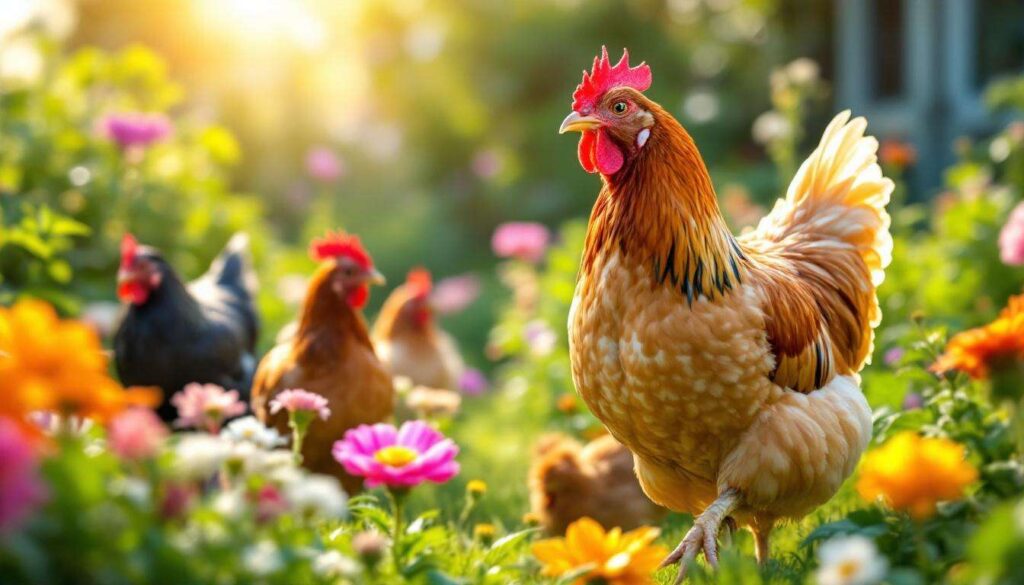
Not all chicken breeds demonstrate equal prowess in confronting hornets. The most formidable hen for this purpose is the Marans breed, particularly the Cuckoo Marans variety. These robust birds originate from the Marans region of France and possess exceptional hunting instincts combined with a fearless temperament. Their size, typically weighing between 3 and 4 kilograms, gives them the confidence to tackle larger insects that smaller breeds might avoid.
Other breeds showing notable effectiveness include:
- Rhode Island Reds: active foragers with strong predatory drives
- Australorps: alert and quick-moving with excellent eyesight
- Wyandottes: hardy birds that actively patrol their territory
- Orpingtons: larger breeds that intimidate hornets through presence alone
How hens deter and eliminate hornets
The mechanism by which hens control hornet populations combines direct predation with territorial deterrence. Chickens actively hunt flying insects, leaping impressively to snatch hornets mid-flight. Their quick pecking action dispatches hornets before the insects can mount a defensive response. The thick feathering around their heads and necks provides natural protection against stings, though their speed typically prevents hornets from landing successful strikes.
Beyond direct consumption, hens establish a psychological deterrent. Hornets recognise areas patrolled by chickens as dangerous territory and often relocate their foraging activities elsewhere. The constant movement and vigilant presence of hens creates an inhospitable environment for hornet nest establishment, encouraging queens to select alternative locations when scouting in spring.
How to choose and introduce this hen into your garden
Selecting the right bird for your space
Choosing an appropriate hen requires careful consideration of several factors beyond breed characteristics. Garden size plays a crucial role, as each hen requires approximately 10 square metres of outdoor space for healthy foraging behaviour. Temperament matters significantly, particularly in gardens frequented by children or pets. Marans hens typically display calm, friendly dispositions whilst maintaining their hunting effectiveness.
When selecting your hen, evaluate:
- Age: pullets between 16 and 24 weeks adapt most readily to new environments
- Health indicators: bright eyes, clean feathers, and active behaviour
- Source reliability: reputable breeders provide health guarantees and breed certification
- Compatibility: consider existing pets and garden dynamics
Integration process and acclimatisation period
Introducing a hen to your garden requires a gradual acclimatisation approach spanning approximately two weeks. Begin by establishing a secure coop in a quiet garden corner, allowing the bird to become familiar with this safe space. During the first three days, keep the hen confined to the coop, visiting regularly to build trust through gentle interaction and treats.
From day four onwards, allow supervised garden access during daylight hours, gradually extending the duration as the hen demonstrates confidence. This phased introduction helps the bird map the territory, identify safe roosting spots, and begin establishing foraging patterns. Within a fortnight, most hens develop regular patrol routes that effectively cover the garden’s vulnerable areas where hornets typically hunt.
The additional benefits of having a hen in your garden
Fresh eggs and sustainable food production
Beyond pest control, hens provide tangible nutritional benefits through regular egg production. A healthy Marans hen typically lays between 150 and 200 eggs annually, supplying a household with fresh, organic protein. These eggs feature distinctively dark brown shells and rich, flavourful yolks that surpass supermarket alternatives in both taste and nutritional content.
| Benefit category | Annual value | Environmental impact |
|---|---|---|
| Egg production | £60-80 equivalent | Zero food miles |
| Manure fertiliser | £30-40 equivalent | Eliminates chemical fertiliser need |
| Pest control | £50-70 equivalent | Reduces pesticide use |
Garden fertilisation and soil improvement
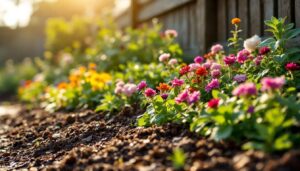
Chicken manure ranks among the most valuable organic fertilisers available to gardeners. Rich in nitrogen, phosphorus, and potassium, hen droppings provide essential nutrients that promote vigorous plant growth. A single hen produces approximately 130 kilograms of manure annually, sufficient to maintain soil fertility across a medium-sized garden when properly composted.
The scratching behaviour of hens also improves soil structure by breaking up compacted earth and incorporating organic matter into the top layers. This natural tillage enhances water infiltration and root penetration whilst exposing pest larvae to predation, creating healthier growing conditions without mechanical intervention.
Precautions and tips for hen care
Essential housing and protection requirements
Proper hen care begins with adequate housing that protects against predators and weather extremes. A well-constructed coop should provide at least 0.4 square metres of interior space per bird, with secure latching mechanisms that prevent fox intrusion. Elevated roosting bars positioned 60 centimetres above the floor allow natural sleeping behaviour whilst keeping birds safe from ground-dwelling threats.
Critical housing features include:
- Weatherproof roof with adequate ventilation to prevent respiratory issues
- Nest boxes filled with clean straw for comfortable egg-laying
- Removable droppings trays for easy cleaning and hygiene maintenance
- Secure door with predator-proof locks
- Shaded areas for summer heat protection
Feeding, health monitoring, and welfare considerations
Maintaining a healthy hen requires consistent attention to nutrition and wellness indicators. Quality layers pellets should form the dietary foundation, supplemented with kitchen scraps, garden greens, and access to grit for digestion. Fresh water must remain available at all times, with containers cleaned daily to prevent bacterial growth.
Regular health checks should assess feather condition, eye clarity, comb colour, and behavioural patterns. Any changes in egg production, appetite, or activity levels warrant closer examination. Annual worming treatments and occasional dust baths with diatomaceous earth help control parasites naturally. Building a relationship with an avian veterinarian ensures professional support when health concerns arise, protecting your investment in this valuable garden ally.
The integration of hens into garden ecosystems represents a return to traditional wisdom enhanced by modern understanding of sustainable practices. These remarkable birds offer comprehensive solutions to hornet problems whilst enriching gardens through multiple pathways. From pest control and fertilisation to fresh food production, hens transform ordinary gardens into productive, balanced environments. The Marans breed particularly excels in this role, combining fearless hunting instincts with practical benefits that justify the modest care requirements. By choosing this natural approach over chemical interventions, gardeners create safer spaces for families, beneficial insects, and the broader environment whilst enjoying the companionship and productivity these formidable hens provide.