



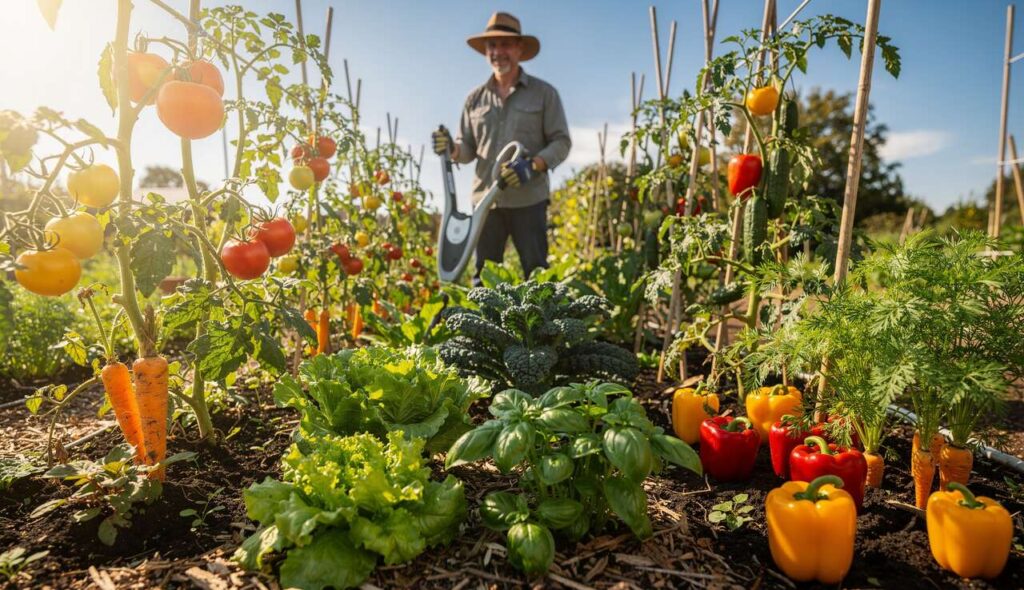
Every gardener knows the frustration of watching carefully nurtured vegetables fall victim to persistent pests. Slugs leave telltale slime trails across precious lettuce leaves whilst rodents tunnel beneath root crops, causing devastation that can destroy months of hard work. The battle against these unwelcome visitors has traditionally involved an arsenal of methods, from chemical pellets to elaborate traps, yet many prove either ineffective or harmful to the broader ecosystem. Finding a solution that genuinely protects crops without compromising environmental values has remained an elusive goal for countless vegetable growers.
Introduction to the threat of garden pests
The destructive impact of slugs on vegetable crops
Slugs represent one of the most persistent challenges facing vegetable gardeners throughout the United Kingdom. These molluscs emerge predominantly during damp conditions, making British gardens particularly vulnerable to their voracious appetites. A single slug can consume remarkable quantities of tender vegetation in just one night, targeting seedlings, young plants, and mature crops with equal enthusiasm.
The damage extends beyond mere aesthetic concerns. Slugs favour several economically important vegetables:
- Lettuce and salad leaves, often rendered completely unmarketable
- Brassicas including cabbage and Brussels sprouts
- Root vegetables such as potatoes and carrots
- Strawberries and other soft fruits
- Tender herbs and seedlings
Rodent problems in the vegetable patch
Whilst slugs attack from above ground, rodents present an equally formidable threat from below. Mice, voles, and rats establish networks of tunnels beneath vegetable beds, accessing root systems and stored produce with devastating efficiency. These creatures breed rapidly, meaning a small problem can escalate into a full-scale infestation within weeks.
Rodent activity peaks during autumn and winter when natural food sources diminish. They target stored vegetables, gnaw through protective netting, and contaminate growing areas with droppings that may harbour disease. Traditional control methods often prove inadequate, with poisoned baits raising concerns about secondary poisoning of wildlife and snap traps requiring constant monitoring and disposal.
Understanding these dual threats sets the foundation for appreciating why gardeners desperately need effective, sustainable solutions that address both problems simultaneously.
Discovery of a revolutionary gardening tool
The innovation behind ultrasonic pest deterrents
The breakthrough came through ultrasonic technology originally developed for agricultural applications. These devices emit high-frequency sound waves imperceptible to human ears but highly disturbing to pests. Unlike previous generations of sonic deterrents, modern ultrasonic tools incorporate variable frequency patterns that prevent pests from becoming habituated to a single tone.
The technology operates on a simple principle: creatures with sensitive hearing find the ultrasonic emissions uncomfortable, encouraging them to relocate elsewhere. Crucially, the frequencies selected specifically target the hearing ranges of slugs and rodents whilst remaining completely harmless to beneficial insects, birds, and domestic pets.
Design features that make the difference
Contemporary ultrasonic pest control devices designed for gardens incorporate several critical features:
- Solar-powered operation eliminating battery replacement concerns
- Weather-resistant construction suitable for year-round outdoor deployment
- Adjustable frequency settings for targeting specific pest types
- Motion sensors that activate deterrents when pests approach
- Coverage areas extending up to 400 square metres per unit
| Feature | Traditional Methods | Ultrasonic Deterrents |
|---|---|---|
| Environmental impact | Chemical residues | Zero pollution |
| Ongoing costs | Regular purchases | Minimal after initial investment |
| Effectiveness duration | Temporary | Continuous protection |
| Wildlife safety | Variable risk | Completely safe |
These technological advances have transformed what was once a marginally effective concept into a genuinely practical solution for everyday gardeners. The convenience factor alone represents a significant improvement over labour-intensive traditional methods.
How this pest control solution works
The science of ultrasonic frequencies
Ultrasonic pest deterrents function by exploiting the auditory sensitivity of target species. Slugs, despite lacking conventional ears, possess sensory organs that detect vibrations and sound waves. Frequencies between 20,000 and 65,000 hertz create an environment these creatures find intolerable, prompting them to seek alternative feeding grounds.
Rodents possess even more sophisticated hearing capabilities, with sensitivity extending well beyond human perception. The ultrasonic emissions interfere with their communication, navigation, and comfort, making treated areas unattractive for nesting or foraging. Importantly, the technology does not harm these creatures; it simply encourages them to relocate.
Practical installation and coverage
Implementing ultrasonic protection requires minimal effort. Devices are typically mounted on stakes inserted directly into soil at strategic locations throughout the vegetable garden. The solar panels require positioning to receive adequate sunlight, whilst the emitters should face towards areas of highest pest activity.
For optimal results, gardeners should consider the following placement strategies:
- Position units near vulnerable crops such as lettuce beds and root vegetable rows
- Create overlapping coverage zones in larger gardens using multiple devices
- Avoid obstructions that might block ultrasonic wave propagation
- Adjust height settings to target both ground-dwelling slugs and burrowing rodents
- Relocate devices seasonally as crop layouts change
Maintenance and longevity considerations
One of the most appealing aspects of ultrasonic deterrents involves their remarkably low maintenance requirements. Solar charging eliminates battery concerns, whilst robust construction withstands typical British weather conditions. Occasional cleaning of solar panels ensures optimal charging efficiency, and periodic frequency adjustments prevent potential pest adaptation.
Quality devices typically provide several years of reliable service, making them a sound long-term investment. This durability contrasts sharply with consumable pest control products that require constant replenishment and generate ongoing expenses.
The ecological and economic benefits of the tool
Environmental advantages over chemical alternatives
The shift towards ultrasonic pest control represents a significant environmental advancement. Traditional slug pellets containing metaldehyde or ferric phosphate introduce chemicals into garden ecosystems, with metaldehyde posing particular risks to hedgehogs, birds, and domestic animals. Even supposedly “wildlife-friendly” alternatives affect soil chemistry and may accumulate in food chains.
Ultrasonic deterrents eliminate these concerns entirely. They introduce no substances into the environment, produce no waste, and pose zero risk to non-target species. This makes them particularly suitable for organic gardening practices and environmentally conscious households.
Cost-effectiveness analysis
Whilst the initial investment in ultrasonic technology exceeds the cost of a box of slug pellets, the long-term economics favour the technological solution decisively. Consider the following comparison:
| Expense Category | Annual Cost (Traditional) | Annual Cost (Ultrasonic) |
|---|---|---|
| Initial purchase | £15-25 | £40-60 (one-time) |
| Replacement/refills | £60-100 | £0 |
| Labour time | High | Minimal |
| Crop losses | Variable | Significantly reduced |
Beyond direct financial savings, reduced crop losses translate to improved yields and better-quality vegetables. Gardeners report harvesting substantially more produce once pest pressure diminishes, effectively paying for the deterrent devices through increased productivity.
Supporting biodiversity in the garden
Perhaps unexpectedly, ultrasonic pest control can actually enhance garden biodiversity. By eliminating chemical interventions, these devices allow beneficial insects, amphibians, and other helpful creatures to thrive. Hedgehogs, ground beetles, and frogs—all natural slug predators—can establish populations without exposure to toxic substances.
This creates a more balanced ecosystem where natural pest control mechanisms complement technological solutions, resulting in healthier gardens overall.
Testimonials from satisfied gardeners
Real experiences from vegetable growers
Margaret Thompson from Hampshire reported transformative results after installing ultrasonic deterrents throughout her allotment. Previously losing approximately 40% of her lettuce crop to slug damage, she now harvests nearly complete rows with minimal losses. The reduction in rodent activity proved equally dramatic, with previously persistent vole problems virtually eliminated within three weeks of installation.
James Peterson, an organic vegetable grower in Yorkshire, emphasised the peace of mind these devices provide. Rather than conducting nightly slug patrols with torch and bucket, he now trusts the ultrasonic protection to work continuously. His testimonial highlights not just the practical benefits but the psychological relief of knowing crops are protected around the clock.
Quantifiable improvements in crop yields
Several gardeners have documented their experiences with measurable data. Common improvements include:
- 60-80% reduction in visible slug damage on leafy vegetables
- Near-complete elimination of rodent tunnelling in root crop areas
- Extended growing seasons due to reduced pest pressure on autumn crops
- Improved seedling survival rates, particularly for vulnerable young plants
- Decreased time spent on pest control activities by approximately 70%
These consistent positive outcomes across diverse growing conditions and geographical locations suggest the technology delivers reliable results rather than isolated successes.
Conclusion: effectively protecting your vegetable garden
Ultrasonic pest deterrents represent a genuinely effective solution to the perennial problems of slugs and rodents in vegetable gardens. By harnessing technology that targets pest hearing whilst leaving beneficial wildlife unharmed, these devices offer protection that traditional methods struggle to match. The combination of environmental safety, economic efficiency, and practical convenience makes them particularly suitable for contemporary gardening approaches. Testimonials from actual users confirm that the technology delivers tangible results, with substantial reductions in crop damage and improved yields. For gardeners seeking sustainable, effective pest control without compromising ecological values or investing endless hours in manual interventions, ultrasonic deterrents provide a solution that genuinely works.