



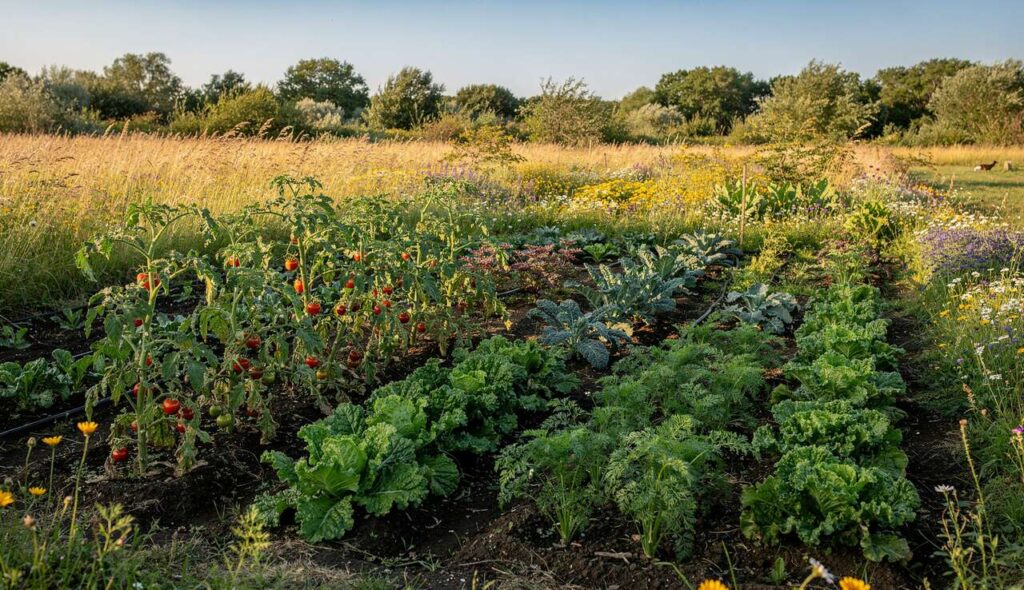
Wild boars have become an increasing concern for gardeners across the United Kingdom, causing significant damage to carefully tended vegetable patches. These intelligent and persistent animals can devastate months of hard work in a single night, uprooting plants and destroying entire crops. Traditional fencing solutions prove expensive, require constant maintenance, and often fail to deter these determined foragers. However, innovative natural methods offer effective alternatives that work with nature rather than against it, creating sustainable protection without the need for costly physical barriers.
A natural method to keep wild boars away
Understanding wild boar behaviour
Wild boars possess highly developed senses, particularly their sense of smell, which they use to locate food sources from considerable distances. These animals are naturally cautious and will avoid areas that present unfamiliar or unpleasant sensory experiences. By exploiting these behavioural traits, gardeners can create environments that discourage wild boar visits without resorting to physical barriers. The key lies in making the vegetable garden an unappealing destination through strategic use of natural deterrents.
Scent-based deterrent strategies
One of the most effective approaches involves deploying strong-smelling substances around the perimeter of your vegetable garden. Wild boars find certain odours particularly offensive, and these can be used to create an invisible barrier. Consider implementing the following scent deterrents:
- Human hair clippings scattered around garden borders
- Predator urine available from specialist suppliers
- Garlic water spray applied to vulnerable areas
- Vinegar-soaked rags placed strategically around the garden
- Citrus peels distributed along potential entry points
These methods require regular renewal, particularly after rainfall, but they offer cost-effective protection that can be maintained with minimal effort. The combination of multiple scent deterrents creates a more robust defence system than relying on a single approach.
Beyond scent-based solutions, understanding which plants naturally repel these animals provides another layer of protection for your vegetable garden.
Repellent plants: allies of the vegetable garden
Strategic planting for maximum protection
Certain plant species possess natural properties that wild boars find deeply unappealing. By incorporating these plants into your garden design, you create a living barrier that requires no maintenance beyond normal horticultural care. Aromatic herbs prove particularly effective, as their strong scents mask the appealing aromas of vegetables whilst actively repelling unwanted visitors.
Most effective repellent plant species
| Plant Species | Repellent Strength | Additional Benefits |
|---|---|---|
| Lavender | High | Attracts pollinators, culinary use |
| Rosemary | Very High | Culinary herb, drought resistant |
| Mint | High | Culinary use, spreads easily |
| Garlic | Very High | Edible bulbs, pest deterrent |
| Marigolds | Moderate | Colourful blooms, companion plant |
Creating protective plant borders
The most effective strategy involves planting dense borders of these repellent species around the perimeter of your vegetable garden. A mixed planting of rosemary, lavender, and garlic creates a formidable olfactory barrier that wild boars will actively avoid. Position these plants at intervals of approximately 30 centimetres to ensure continuous coverage without gaps that animals might exploit. The layered approach of combining different plant heights and scent profiles strengthens the overall deterrent effect.
Whilst repellent plants form an excellent first line of defence, making the entire garden environment unwelcoming to wild boars enhances protection further.
Creating a hostile environment to intrusions
Modifying ground conditions
Wild boars prefer soft, easily disturbed soil that allows them to root for food with minimal effort. By altering ground conditions, you make your garden significantly less attractive to these animals. Incorporating gravel paths, mulching heavily with coarse materials, and maintaining compact soil in non-growing areas all contribute to creating an unfavourable foraging environment.
Eliminating attractive features
Gardens inadvertently attract wild boars through various features that signal easy food sources. Remove or modify these elements to reduce your garden’s appeal:
- Clear fallen fruit promptly from the ground
- Secure compost heaps with tight-fitting covers
- Remove water sources or make them inaccessible
- Eliminate hiding spots such as dense undergrowth
- Keep grass areas short to reduce cover
Sound and light deterrents
Wild boars are predominantly nocturnal and prefer to forage under cover of darkness. Motion-activated devices that produce sudden light or sound can startle these animals and discourage return visits. Solar-powered options provide sustainable solutions that require no wiring or ongoing energy costs. However, rotating different deterrent methods prevents animals from becoming habituated to specific stimuli.
The effectiveness of these environmental modifications increases substantially when combined with a thoughtfully designed planting scheme that incorporates multiple plant species.
The importance of plant diversity
Building resilient garden ecosystems
A diverse vegetable garden offers multiple layers of protection against wild boar intrusion whilst simultaneously promoting overall garden health. Monoculture plantings create concentrated food sources that attract animals, whereas varied plantings confuse sensory detection and reduce the appeal of any single area. Biodiversity strengthens the garden’s natural defences by creating complex scent profiles that mask individual crop aromas.
Companion planting strategies
Integrating repellent plants directly amongst vegetable crops provides immediate protection to vulnerable plants. For example, planting garlic between rows of carrots or positioning rosemary bushes amongst tomato plants creates localised protective zones. This approach proves particularly valuable for protecting high-value crops that might otherwise attract wild boar attention. The intermingling of species also supports beneficial insect populations that contribute to garden health.
Seasonal rotation benefits
Rotating crops and repellent plantings throughout the seasons prevents wild boars from establishing predictable foraging patterns. Animals that discover food sources in specific locations will return repeatedly, but changing garden layouts disrupts this behaviour. Seasonal rotation also maintains soil health and reduces pest problems, creating multiple benefits from a single strategy.
Whilst natural methods form the foundation of effective wild boar deterrence, supplementary barriers can provide additional security during vulnerable periods.
Using natural and artificial barriers
Temporary protective measures
During critical growing periods when plants are most vulnerable, temporary barriers offer additional protection without permanent installation costs. Lightweight netting supported by stakes can protect seedlings, whilst cloches safeguard individual plants. These solutions prove particularly valuable for protecting newly planted areas before repellent plants establish themselves sufficiently to provide full protection.
Natural obstacle creation
Strategic placement of natural materials creates physical obstacles that discourage wild boar access without resembling traditional fencing. Consider these low-cost alternatives:
- Thorny brush piles positioned along potential entry routes
- Large stones or logs creating uneven terrain
- Dense plantings of thorny shrubs such as berberis or pyracantha
- Raised beds that elevate crops beyond easy reach
Combining multiple approaches
The most successful wild boar deterrence strategies employ layered defences that combine several methods simultaneously. A garden protected by repellent plant borders, scent deterrents, environmental modifications, and strategic natural barriers presents multiple challenges to potential intruders. This comprehensive approach proves far more effective than relying on any single method, as wild boars must overcome numerous obstacles to access food sources.
Protecting vegetable gardens from wild boar damage requires understanding animal behaviour and implementing strategic natural deterrents. Repellent plants such as lavender, rosemary, and garlic create effective olfactory barriers, whilst environmental modifications eliminate attractive features that draw animals to gardens. Plant diversity strengthens natural defences and supports healthy garden ecosystems. Supplementary natural barriers provide additional protection during vulnerable growing periods. By combining these methods, gardeners can successfully protect their crops without expensive fencing installations, creating sustainable solutions that work harmoniously with nature whilst maintaining productive vegetable gardens throughout the growing season.