
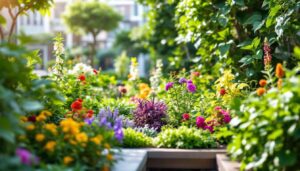
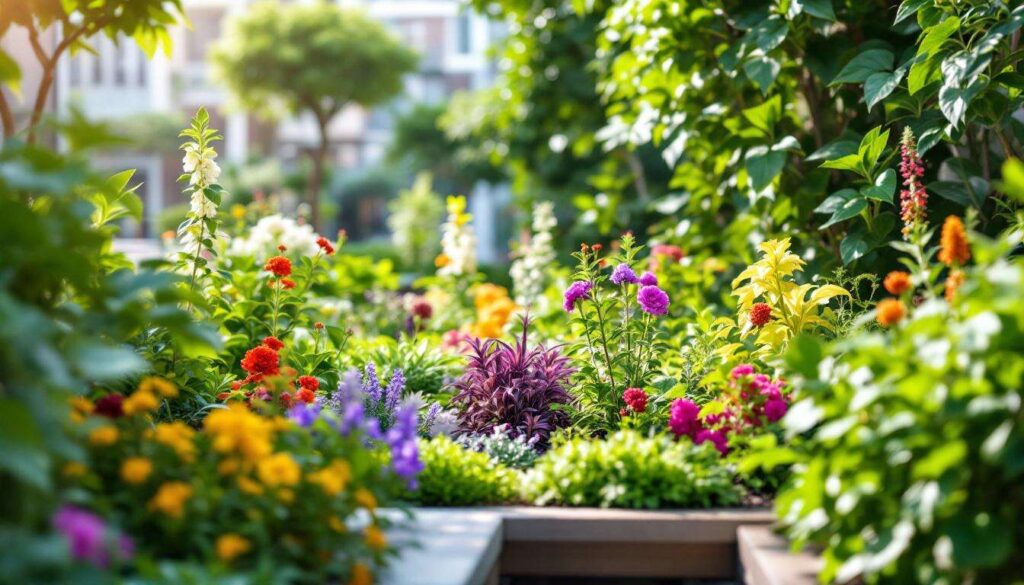
Garden enthusiasts and landscape professionals alike are witnessing a remarkable shift in horticultural preferences. Traditional flower beds, once the pride of countless gardens, demand constant attention, regular watering, and meticulous care that many modern homeowners simply cannot sustain. The solution lies in a new generation of robust, low-maintenance plants that promise beauty without the burden of endless upkeep. These resilient species are transforming outdoor spaces, offering vibrant colours and textures whilst requiring minimal intervention, making them the perfect choice for busy lifestyles and challenging climates.
Introduction to indestructible plants: why such enthusiasm ?
The appeal of low-maintenance gardening
The growing popularity of indestructible plants reflects a fundamental change in how we approach garden design. Modern life leaves little time for the daily watering, deadheading, and fertilising that traditional flower beds demand. These hardy species offer a practical alternative, thriving with minimal attention whilst delivering impressive visual impact. Their ability to withstand drought, frost, pests, and diseases makes them invaluable assets for gardeners seeking sustainable solutions.
Economic and practical advantages
Beyond convenience, these resilient plants represent significant financial savings. Reduced water consumption, fewer chemical treatments, and minimal replacement costs create a compelling economic argument. Homeowners can expect:
- Lower water bills due to drought-tolerant characteristics
- Reduced spending on fertilisers and pesticides
- Decreased need for professional maintenance services
- Longer plant lifespans eliminating frequent replacements
This practical approach to gardening naturally leads to broader environmental considerations that extend beyond individual gardens.
The ecological benefits of resistant plants
Water conservation in an era of scarcity
Climate change has made water conservation an urgent priority. Drought-resistant plants consume significantly less water than traditional ornamentals, with some species requiring up to 70% less irrigation once established. This reduction translates into substantial environmental benefits, particularly in regions facing water restrictions or prolonged dry periods. Native and adapted species have evolved mechanisms to survive with minimal moisture, making them natural allies in sustainable gardening.
Biodiversity and ecosystem support
Resilient plants often provide superior habitat and food sources for local wildlife compared to exotic high-maintenance varieties. Many hardy species attract pollinators, beneficial insects, and birds, creating thriving micro-ecosystems. The following table illustrates the ecological advantages:
| Plant Type | Pollinator Visits | Water Requirements | Chemical Treatments |
|---|---|---|---|
| Traditional Flower Beds | Moderate | High (daily watering) | Frequent |
| Indestructible Plants | High | Low (weekly or less) | Minimal to none |
Reduced chemical dependency
Hardy plants naturally resist pests and diseases, eliminating the need for synthetic pesticides and fungicides. This chemical-free approach protects soil health, groundwater quality, and beneficial organisms. The cumulative effect of widespread adoption could significantly reduce agricultural chemical runoff, benefiting entire watersheds and ecosystems.
Understanding these environmental advantages helps inform the selection process for your specific garden conditions.
How to select species suited to your garden
Assessing your microclimate
Successful plant selection begins with understanding your garden’s unique conditions. Factors such as sun exposure, soil type, drainage patterns, and frost pockets determine which species will thrive. Observe your space throughout different seasons, noting areas that remain wet, dry quickly, or receive varying light levels. This knowledge forms the foundation for choosing plants that will genuinely flourish rather than merely survive.
Matching plants to soil conditions
Soil composition profoundly influences plant health. Indestructible species typically adapt to various soil types, but optimal performance requires appropriate matching. Consider these guidelines:
- Clay soils: select plants tolerant of poor drainage and compaction
- Sandy soils: choose drought-tolerant species that thrive in fast-draining conditions
- Alkaline soils: opt for lime-loving plants that flourish in higher pH environments
- Acidic soils: favour species adapted to lower pH conditions
Considering aesthetic preferences
Functionality shouldn’t compromise beauty. Modern hardy plants offer remarkable diversity in colour, texture, height, and form. Whether you prefer structured formality, cottage garden charm, or contemporary minimalism, resilient species can fulfil your vision. Consider bloom times, foliage interest, and seasonal changes to ensure year-round appeal.
With selection criteria established, attention turns to specific varieties gaining prominence in contemporary gardens.
Indestructible plants to favour in 2026
Perennials for permanent planting
Hardy geraniums lead the charge amongst resilient perennials, offering extended flowering periods and exceptional disease resistance. Varieties such as Geranium ‘Rozanne’ bloom from late spring through autumn with virtually no maintenance. Sedums provide architectural interest and drought tolerance, whilst echinacea species deliver vibrant colours alongside medicinal properties and wildlife value.
Ornamental grasses for movement and texture
Grasses have emerged as essential components of low-maintenance landscapes. Species like Stipa tenuissima, Miscanthus varieties, and Panicum virgatum require minimal care whilst providing dynamic movement and year-round structure. Their tolerance of poor soils, drought, and neglect makes them virtually indestructible, whilst their architectural qualities suit both traditional and contemporary designs.
Shrubs for structure and permanence
Woody plants provide lasting framework with minimal intervention. Consider these exceptional performers:
- Lavandula species: drought-tolerant, fragrant, and pollinator-friendly
- Potentilla fruticosa: continuous flowering with no deadheading required
- Spiraea varieties: adaptable, disease-resistant, and colourful
- Berberis species: thorny security with vibrant foliage and berries
Selecting appropriate species represents only the beginning of successful cultivation.
Tips to optimise the growth of your resistant plants
Proper establishment techniques
Even indestructible plants require attention during establishment. Plant during cooler months when rainfall assists root development. Water regularly for the first growing season to encourage deep root systems that will sustain plants through future droughts. Apply organic mulch to retain moisture, suppress weeds, and moderate soil temperatures, creating optimal conditions for rapid establishment.
Strategic placement for success
Position plants according to their mature size and light requirements. Overcrowding compromises air circulation, increasing disease susceptibility even amongst resistant species. Allow adequate spacing to accommodate growth, reducing competition for resources. Group plants with similar water and nutrient needs to simplify maintenance and optimise resource efficiency.
Minimal intervention maintenance
Once established, hardy plants thrive on neglect. Avoid excessive fertilisation, which promotes soft growth vulnerable to pests and diseases. Prune only to maintain shape or remove damaged material. Many resilient perennials and grasses benefit from annual cutting back in late winter, but otherwise require no intervention. This hands-off approach aligns with emerging design philosophies.
These cultivation practices complement broader trends reshaping landscape design.
2026 trends: landscape designs that adapt to indestructible plants
Naturalistic planting schemes
Contemporary garden design increasingly embraces naturalistic aesthetics that showcase hardy plants’ inherent beauty. Inspired by wild landscapes, these schemes feature drifts of grasses interspersed with perennials, creating dynamic compositions that change with seasons and weather. This approach celebrates plants’ natural forms rather than imposing rigid structures, resulting in gardens that appear effortless whilst requiring minimal maintenance.
Climate-responsive design
Forward-thinking designers are creating gardens that acknowledge climate realities. Xeriscaping principles inform plant selection and placement, whilst rain gardens utilise hardy species to manage stormwater. These functional landscapes demonstrate that environmental responsibility and aesthetic excellence need not conflict.
Mixed planting for resilience
Biodiversity strengthens garden ecosystems. Combining various plant types creates layers of interest whilst providing insurance against individual species failures. This strategy mirrors natural plant communities, where diversity ensures stability and continuous visual appeal regardless of seasonal or climatic challenges.
The movement towards resilient, low-maintenance plants represents more than horticultural fashion; it reflects evolving priorities that balance aesthetic desires with environmental realities and practical constraints. These hardy species prove that beautiful gardens need not demand endless labour or resources. By selecting appropriate plants, establishing them properly, and embracing design approaches that celebrate their natural characteristics, gardeners can create outdoor spaces that thrive with minimal intervention. The transition from high-maintenance flower beds to indestructible alternatives offers liberation from constant garden chores whilst delivering landscapes that support wildlife, conserve resources, and provide year-round beauty. This paradigm shift promises gardens that work with nature rather than against it, creating sustainable outdoor spaces for generations to come.