


Most gardeners and plant enthusiasts are constantly searching for affordable, eco-friendly ways to nourish their greenery. The solution might be sitting in your kitchen bin right now. Those bright yellow banana peels you routinely discard after breakfast contain a wealth of nutrients that can revolutionise the health and productivity of your plants. Rich in potassium, phosphorus, and calcium, these humble scraps offer a sustainable alternative to chemical fertilisers whilst reducing household waste. Transforming this everyday item into a powerful plant food requires minimal effort yet delivers remarkable results.
Understanding the benefits of banana peels for your plants
The nutritional powerhouse hiding in your fruit bowl
Banana peels contain an impressive array of essential minerals that plants crave for optimal growth. The most abundant nutrient is potassium, which strengthens plant stems, improves disease resistance, and enhances flower and fruit production. Phosphorus supports root development and energy transfer within plant cells, whilst calcium fortifies cell walls and prevents common deficiencies.
| Nutrient | Benefit to plants | Approximate content |
|---|---|---|
| Potassium | Strengthens stems, improves flowering | 42% of dry weight |
| Phosphorus | Enhances root growth | 0.25% of dry weight |
| Calcium | Builds strong cell walls | 19 mg per peel |
Why chemical fertilisers cannot compete
Unlike synthetic alternatives, banana peel fertiliser releases nutrients gradually over time, preventing the nutrient burn that often damages plants with commercial products. This slow-release mechanism ensures consistent nourishment without overwhelming delicate root systems. Additionally, the organic matter improves soil structure, increases water retention, and encourages beneficial microbial activity that chemical fertilisers actively suppress.
Understanding these advantages sets the foundation for exploring practical preparation methods that maximise these nutritional benefits.
How to prepare a natural fertiliser from banana peels
Creating a potassium-rich liquid feed
The simplest method involves making banana peel tea, an efficient way to extract water-soluble nutrients. Place three to four banana peels in a large jar, cover with one litre of water, and seal the container. Allow the mixture to steep for 48 hours at room temperature, during which the water will darken as nutrients leach from the peels. Strain the liquid and dilute it with equal parts water before applying directly to soil around plants.
Drying and grinding for long-term storage
For gardeners preferring a shelf-stable option, dried banana peel powder offers convenience and concentrated nutrition. Follow these steps:
- Cut banana peels into small strips to accelerate drying
- Arrange pieces on a baking tray in a single layer
- Dry in an oven at 120°C for two hours or air-dry for several days
- Grind the brittle peels into fine powder using a food processor
- Store in an airtight container away from moisture
This powder can be sprinkled directly onto soil or mixed into potting compost before planting. The concentrated nutrients provide sustained nourishment throughout the growing season.
With these preparation techniques mastered, applying them specifically to vegetable gardens unlocks even greater potential.
Using banana peels to enrich your vegetable garden soil
Direct burial method for heavy feeders
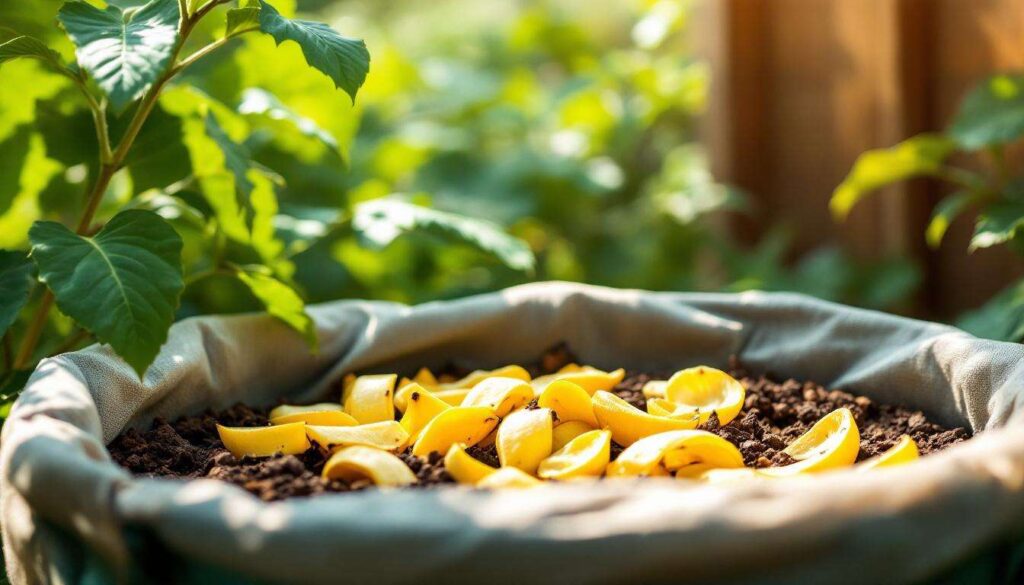
Vegetables such as tomatoes, peppers, and aubergines benefit enormously from buried banana peels. When transplanting seedlings, dig holes approximately 15 centimetres deeper than the root ball. Place one or two chopped banana peels at the bottom, cover with a layer of soil, then position the plant above. As the peels decompose, they release nutrients directly to developing roots whilst improving soil texture.
Composting banana peels for balanced nutrition
Adding banana peels to compost bins accelerates decomposition and enriches the final product. The high sugar content attracts beneficial microorganisms that break down organic matter efficiently. Chop peels into small pieces to speed decomposition and prevent clumping. Balance nitrogen-rich peels with carbon materials like dried leaves or shredded paper to maintain optimal compost conditions.
| Vegetable type | Application method | Frequency |
|---|---|---|
| Tomatoes | Buried whole peels | At planting time |
| Leafy greens | Banana peel tea | Fortnightly |
| Root vegetables | Composted peels | Pre-planting soil amendment |
These targeted applications demonstrate versatility, but combining methods through homemade recipes amplifies effectiveness further.
Easy recipes to make homemade fertiliser from peels
All-purpose banana peel vinegar fertiliser
This fermented solution combines banana peels with vinegar to create a potent liquid feed. Fill a glass jar halfway with chopped banana peels, add one tablespoon of brown sugar, then cover with water leaving two centimetres of headspace. Cover with breathable cloth secured with an elastic band. Allow fermentation for seven days, stirring daily. Strain and dilute one part solution to ten parts water before application.
Banana peel and eggshell power blend
Combining banana peels with crushed eggshells creates a calcium-potassium powerhouse ideal for preventing blossom end rot in tomatoes and peppers. Mix equal parts dried banana peel powder and finely crushed eggshells. Sprinkle two tablespoons around the base of each plant monthly during the growing season. Water thoroughly after application to begin nutrient release.
Quick banana peel mulch
Fresh banana peels can serve as protective mulch whilst simultaneously feeding plants. Simply lay peels directly on soil around plants, ensuring they do not touch stems. As they decompose over several weeks, they suppress weeds, retain moisture, and gradually release nutrients. Replace with fresh peels as needed throughout the season.
Implementing these recipes successfully requires understanding optimal usage practices to avoid common pitfalls.
Tips to optimise the use of banana peels in your garden
Avoiding common mistakes
Whilst banana peels offer tremendous benefits, improper use can attract pests or create problems. Never place fresh peels directly against plant stems, as this encourages fungal growth and rot. Ensure buried peels sit beneath a soil layer to prevent attracting fruit flies or rodents. Avoid overuse, which can create nutrient imbalances, particularly excess potassium that interferes with calcium and magnesium uptake.
Seasonal application strategies
Timing applications to match plant growth stages maximises effectiveness:
- Spring: incorporate composted peels into beds before planting
- Summer: apply liquid feeds fortnightly during active growth
- Autumn: bury fresh peels around perennials before dormancy
- Winter: continue drying and storing peels for spring use
Matching peel types to plant needs
Different banana varieties offer varying nutrient profiles. Ripe yellow peels contain more readily available sugars that benefit flowering plants, whilst green peels provide slower-release nutrients better suited to foliage plants. Overripe, spotted peels decompose fastest and work excellently in compost or as quick mulch.
These practical considerations pave the way for examining the tangible improvements gardeners can expect.
Results and benefits of a banana peel-fertilised garden
Visible improvements in plant health
Gardeners consistently report stronger, more vibrant plants within weeks of implementing banana peel fertilisation. Foliage develops richer green colouration, stems grow thicker and more robust, and flowering plants produce more abundant blooms. Vegetable yields increase noticeably, with tomatoes and peppers showing particular improvement in both quantity and size.
Long-term soil enhancement
Beyond immediate plant benefits, regular banana peel applications transform soil quality over time. The organic matter increases water retention capacity, reducing irrigation needs during dry periods. Improved soil structure enhances aeration, allowing roots to penetrate deeper and access nutrients more efficiently. Beneficial earthworm populations increase dramatically, further aerating and enriching the soil.
Environmental and economic advantages
Diverting banana peels from landfills reduces methane emissions whilst eliminating the need for purchased fertilisers. The average household discards approximately 12 kilograms of banana peels annually, representing substantial savings when converted to plant food. This closed-loop approach embodies sustainable gardening principles whilst delivering professional-quality results.
Transforming breakfast waste into garden gold requires minimal investment yet yields substantial rewards. The nutrients locked within banana peels provide everything plants need for vigorous growth, abundant flowering, and productive harvests. Whether through liquid feeds, dried powders, or direct burial, these versatile applications suit every gardening style and experience level. By embracing this simple habit, gardeners simultaneously reduce waste, save money, and cultivate healthier, more productive gardens. The yellow peels destined for the bin represent untapped potential waiting to nourish the next generation of thriving plants.