

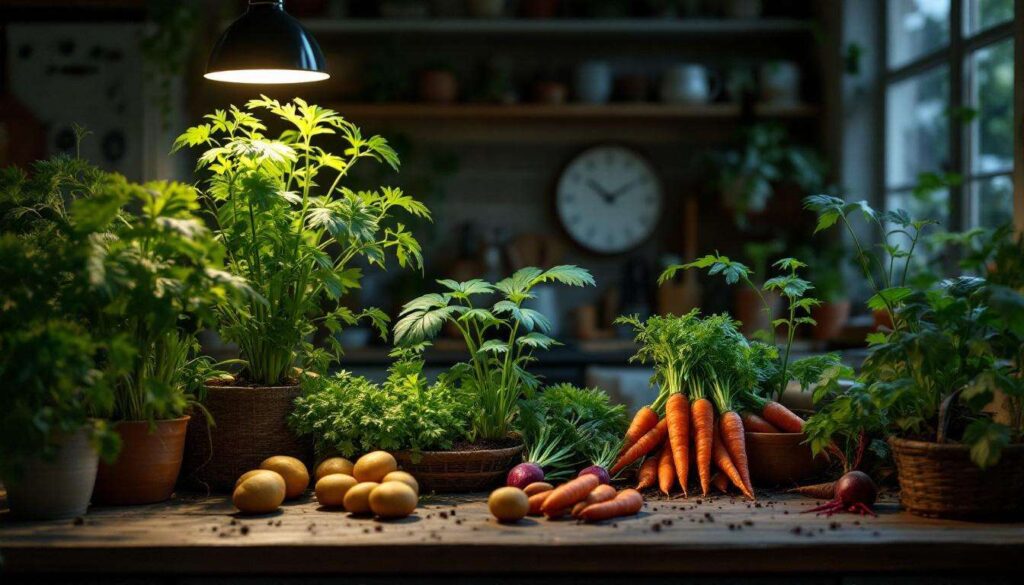
The notion that plants require abundant sunlight to flourish has long dominated gardening wisdom, yet a remarkable group of vegetables challenges this fundamental assumption. These resilient crops possess extraordinary adaptations that enable them to thrive in conditions of minimal or even continuous darkness, opening unprecedented possibilities for home cultivation. Whether you inhabit a basement flat with limited natural light, seek to maximise production during winter months, or simply wish to explore innovative growing techniques, understanding which vegetables can prosper without conventional lighting transforms the boundaries of domestic food production.
Vegetables that defy darkness
The science behind shade tolerance
Certain vegetables have evolved mechanisms that allow them to photosynthesize efficiently under extremely low light conditions. These plants typically originate from forest understoreys or regions with extended periods of reduced sunlight, developing larger chloroplasts and increased chlorophyll concentrations to capture whatever light becomes available. The cellular adaptations enable these crops to maintain metabolic processes that would cause light-dependent varieties to wither and fail.
Vegetables that excel in darkness
Several vegetable species demonstrate remarkable tolerance for continuous or near-continuous darkness:
- Mushrooms : technically fungi rather than vegetables, these require no light whatsoever for growth and actually prefer complete darkness
- Sprouted seeds : mung beans, alfalfa, and broccoli sprouts develop perfectly in dark conditions, requiring only moisture and air circulation
- Forced chicory : Belgian endive grows through a process called forcing, where roots are placed in darkness to produce pale, tender shoots
- Bean sprouts : various legume sprouts thrive in darkness, producing crisp, nutritious growth within days
- Microgreens : whilst many benefit from light eventually, numerous varieties germinate and develop initial growth in complete darkness
Understanding the growth mechanisms
Plants grown in darkness undergo a process called etiolation, where stems elongate rapidly as they search for light sources. Whilst this typically produces weaker plants in light-dependent species, darkness-adapted vegetables have evolved to utilise this mechanism productively. The resulting growth often features tender textures and mild flavours that differ markedly from their light-grown counterparts, creating unique culinary characteristics prized by chefs and home cooks alike.
Beyond these specialised crops, understanding how darkness affects plant biology provides insights into optimising cultivation methods for various growing environments.
Growing in the dim: a feasible challenge
Assessing your growing space
Successful dark cultivation begins with evaluating your available space. Basements, cupboards, garage corners, and even dedicated growing boxes can serve as productive growing areas. The key requirements include adequate ventilation, consistent temperature ranges between 15-20°C, and sufficient humidity levels between 60-80%. Unlike traditional gardening, these spaces need not provide any natural light, dramatically expanding potential growing locations throughout your home.
Essential equipment and setup
Establishing a dark growing environment requires minimal investment compared to conventional indoor gardening:
| Equipment | Purpose | Approximate cost |
|---|---|---|
| Growing trays | Contain growing medium and maintain moisture | £5-15 |
| Spray bottle | Provide consistent moisture without overwatering | £3-8 |
| Growing medium | Support root development and retain moisture | £8-20 |
| Ventilation fan | Prevent mould and ensure air circulation | £15-40 |
| Thermometer/hygrometer | Monitor temperature and humidity levels | £10-25 |
Creating optimal conditions
Temperature stability proves crucial for dark-grown vegetables. Fluctuations beyond 5°C can stress plants and reduce yields significantly. Humidity management requires particular attention, as darkness combined with moisture creates ideal conditions for fungal growth. Installing a small fan ensures continuous air movement, preventing stagnant conditions whilst maintaining the darkness essential for proper development. Regular monitoring allows adjustments before problems develop, ensuring consistent production cycles.
With the growing environment established, selecting appropriate varieties becomes the next critical consideration.
The best varieties for thriving through the night
Mushroom cultivation for beginners
Oyster mushrooms represent the most accessible entry point into dark cultivation. These vigorous fungi colonise growing substrate rapidly, producing multiple flushes of harvest within weeks. Shiitake mushrooms offer slightly more challenge but reward patience with exceptional flavour. Both varieties tolerate temperature variations better than many alternatives, making them forgiving choices for novice growers. Pre-inoculated growing kits eliminate the complexity of spore handling, allowing immediate cultivation success.
Sprouting varieties with maximum yield
Different seeds produce dramatically varying results when sprouted in darkness:
- Mung beans : produce crisp, sweet sprouts within 3-5 days with minimal maintenance
- Lentils : develop earthy, nutritious sprouts ideal for salads and sandwiches
- Chickpeas : create substantial sprouts with nutty flavour profiles
- Alfalfa : generate delicate, mild sprouts perfect for garnishing
- Broccoli : produce peppery sprouts packed with beneficial compounds
Forced vegetables for gourmet results
Belgian endive cultivation through forcing techniques produces exquisite pale shoots with subtle bitterness prized in fine dining. The process involves growing chicory roots in soil or compost, then transferring them to darkness where they produce the characteristic tight heads. Rhubarb forcing similarly creates tender, sweet stalks by excluding light during growth. Sea kale, though less common, responds beautifully to forcing, developing blanched shoots with delicate flavour that commands premium prices at markets.
Understanding which varieties suit your goals and space constraints enables focused cultivation efforts that maximise returns on investment and effort.
How to start your garden in the dark
Preparing your growing medium
The foundation of successful dark cultivation lies in proper substrate preparation. For mushrooms, sterilised straw, hardwood sawdust, or specialised mushroom compost provides ideal colonisation environments. Sprouting requires only clean water and adequate drainage, whilst forced vegetables need nutrient-rich compost or soil. Sterilisation proves essential for preventing contamination, particularly in the warm, humid conditions optimal for growth. Pasteurising growing medium at 65-80°C for 60-90 minutes eliminates competing organisms without destroying beneficial microbes.
Initiating growth cycles
Each crop type demands specific initiation protocols:
- Mushrooms : inoculate prepared substrate with spawn, maintaining 20-24°C during colonisation before reducing to 15-18°C for fruiting
- Sprouts : soak seeds for 8-12 hours, then rinse twice daily whilst maintaining darkness and adequate drainage
- Forced chicory : plant roots vertically in deep containers, covering crowns with 15-20cm of growing medium
- Bean sprouts : weight sprouting beans lightly to encourage thick, crisp stems rather than thin, stringy growth
Monitoring early development
The initial days of cultivation require vigilant observation without excessive interference. Checking moisture levels, temperature consistency, and early signs of contamination allows prompt corrective action. Resist the temptation to inspect constantly, as repeated exposure to light can disrupt darkness-dependent processes. Establishing a consistent checking schedule, perhaps once daily at the same time, provides adequate monitoring whilst maintaining optimal growing conditions.
Once growth progresses satisfactorily, implementing refined cultivation techniques enhances both yield and quality.
Tips for optimising indoor cultivation
Maintaining ideal environmental parameters
Consistent conditions separate mediocre results from exceptional harvests. Installing a basic environmental controller automates temperature and humidity management, eliminating the variability inherent in manual monitoring. For budget-conscious growers, simple solutions like placing water containers near heat sources increases humidity naturally, whilst opening doors periodically provides ventilation without expensive equipment. Recording daily observations reveals patterns that inform adjustments, gradually refining your specific growing environment towards optimal parameters.
Preventing common cultivation problems
Several issues frequently challenge dark cultivation efforts:
| Problem | Cause | Solution |
|---|---|---|
| Mould growth | Excessive humidity, poor ventilation | Increase air circulation, reduce watering frequency |
| Slow growth | Low temperature, inadequate moisture | Raise temperature 2-3°C, ensure consistent moisture |
| Bitter flavours | Excessive heat, prolonged growth | Harvest earlier, maintain cooler conditions |
| Poor germination | Old seeds, incorrect moisture | Use fresh seeds, adjust soaking duration |
Maximising successive harvests
Implementing staggered planting schedules ensures continuous production rather than feast-or-famine cycles. Starting new batches every 3-5 days for sprouts, or every 2-3 weeks for mushrooms and forced vegetables, creates overlapping harvests that provide consistent yields. Maintaining detailed records of planting dates, varieties, and outcomes enables refinement of timing based on your specific consumption patterns and growing conditions.
Beyond the practical cultivation aspects, these darkness-thriving vegetables offer surprising nutritional advantages worth considering.
The unexpected health benefits of these vegetables
Enhanced nutritional profiles
Vegetables grown in darkness often develop concentrated nutrient densities compared to their light-grown equivalents. Sprouts, for instance, contain dramatically elevated levels of enzymes, vitamins, and bioavailable minerals during their rapid growth phase. The absence of light triggers specific metabolic pathways that increase production of protective compounds, creating vegetables with enhanced nutritional value per gram consumed.
Unique bioactive compounds
Research indicates that darkness-adapted growth produces vegetables rich in particular beneficial substances:
- Sulforaphane : broccoli sprouts contain exceptional concentrations of this cancer-fighting compound
- Ergothioneine : mushrooms provide this powerful antioxidant unavailable in plant-based foods
- Beta-glucans : mushroom varieties offer immune-supporting polysaccharides
- Folate : sprouted legumes deliver highly bioavailable forms of this essential vitamin
- Vitamin K : forced chicory concentrates this bone-supporting nutrient
Digestibility and enzymatic activity
The sprouting process in darkness activates enzymes that break down complex starches and proteins, rendering these vegetables exceptionally easy to digest. This pre-digestion reduces the work required by your digestive system whilst increasing nutrient absorption. For individuals with sensitive digestion or compromised gut function, these darkness-grown vegetables often prove more tolerable than conventional produce, providing essential nutrition without digestive distress.
Cultivating vegetables in continuous darkness represents a practical, accessible approach to home food production that transcends traditional gardening limitations. These resilient crops require minimal space, modest investment, and no natural light, making them ideal for urban dwellers, those with limited outdoor access, or anyone seeking year-round fresh produce. The unique flavours, enhanced nutritional profiles, and rapid growth cycles offer compelling advantages beyond mere novelty. By selecting appropriate varieties, establishing proper growing conditions, and implementing consistent cultivation practices, you can harvest fresh, nutritious vegetables regardless of season, weather, or available sunlight. The darkness that would doom conventional crops becomes the very condition enabling these remarkable vegetables to flourish, transforming overlooked spaces into productive growing areas that supplement your diet with minimal effort.