



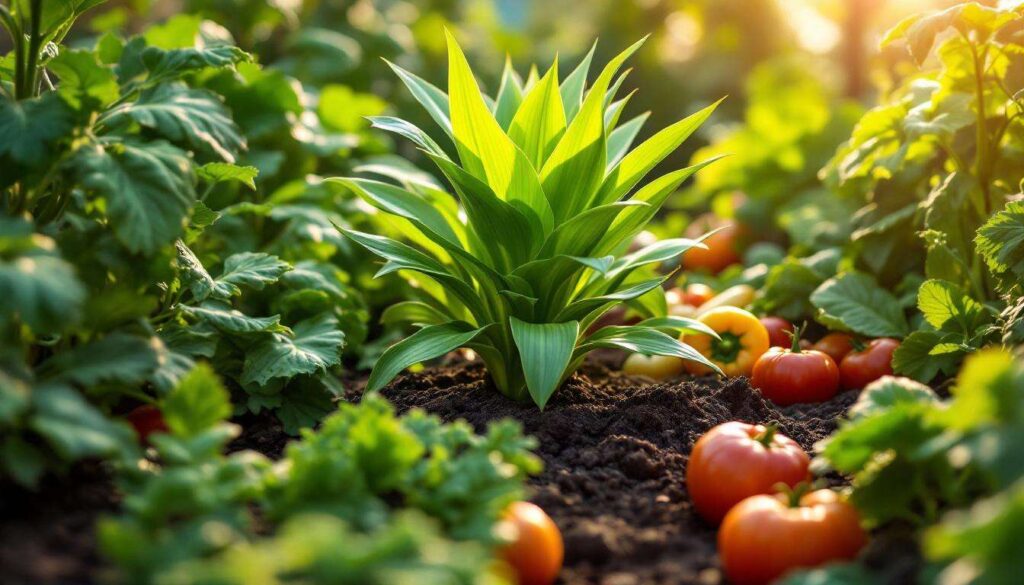
Vegetable patches across Britain are undergoing a quiet transformation as an increasing number of gardeners introduce an unexpected addition amongst their carrots and cabbages. The banana plant, traditionally associated with tropical climates and exotic landscapes, has become the surprise choice for those seeking to enhance both the aesthetics and productivity of their growing spaces. This shift represents more than just a horticultural trend; it reflects a growing understanding of companion planting principles and the practical benefits that certain exotic species can bring to traditional vegetable gardens.
The rise of interest in exotic plants
Changing attitudes towards non-native species
British gardeners have gradually moved away from strictly traditional planting schemes, embracing a more adventurous approach to garden design. This evolution stems from several factors:
- Increased access to specialist nurseries and online plant suppliers
- Greater awareness of climate adaptability in certain exotic species
- Social media inspiration showcasing successful integration of unusual plants
- A desire to create distinctive, conversation-starting garden spaces
The banana plant’s unexpected suitability
Whilst many assume banana plants require constant tropical heat, several hardy varieties such as Musa basjoo can withstand British winters with minimal protection. These resilient cultivars have proven capable of surviving temperatures as low as minus ten degrees Celsius when properly mulched, making them far more practical than most gardeners initially believe. The plant’s rapid growth rate and dramatic foliage provide immediate visual impact, transforming a functional vegetable patch into a striking garden feature within a single growing season.
This newfound appreciation for exotic species has naturally led gardeners to question what practical advantages these plants might offer beyond their ornamental appeal.
Why gardeners are choosing this plant in particular
Visual drama meets functionality
The banana plant offers a unique combination of aesthetic grandeur and practical benefits that few other species can match. Its enormous paddle-shaped leaves create a bold architectural statement that contrasts beautifully with the more modest foliage of vegetables, whilst simultaneously serving functional purposes within the growing environment.
Space optimisation and vertical interest
Unlike sprawling plants that consume valuable ground space, banana plants grow vertically, making them ideal for gardens where every square metre counts. Their upright growth habit means they occupy minimal ground area whilst providing substantial visual presence. This vertical dimension adds layers to the garden landscape, creating interest at multiple heights and making the space feel more dynamic and professionally designed.
| Feature | Banana Plant | Traditional Garden Shrub |
|---|---|---|
| Ground space required | 0.5-1 square metre | 2-3 square metres |
| Height achieved in one season | 2-3 metres | 0.3-0.5 metres |
| Visual impact rating | Very high | Moderate |
These characteristics explain why practical-minded gardeners have embraced this exotic addition, but the true value becomes apparent when examining its effects on surrounding vegetables.
The unexpected benefits of this plant in your vegetable patch
Natural shade provision
The banana plant’s expansive leaves create dappled shade that proves invaluable during increasingly hot British summers. Heat-sensitive crops such as lettuce, spinach, and rocket benefit enormously from this natural protection, which prevents bolting and extends the harvesting period. The shade also helps maintain soil moisture levels, reducing the frequency of watering required and creating more stable growing conditions for neighbouring plants.
Microclimate modification
Beyond simple shade, banana plants actively modify the surrounding environment in ways that benefit vegetable production:
- Large leaves increase local humidity through transpiration, benefiting moisture-loving crops
- The plant acts as a windbreak, protecting delicate seedlings from damaging gusts
- Decomposing lower leaves provide nutrient-rich mulch that enriches the soil
- The substantial root system improves soil structure and drainage
Pest management advantages
Gardeners report that banana plants appear to confuse certain pest species that typically target vegetables. The strong scent and unusual appearance may disrupt the search patterns of insects seeking specific host plants. Additionally, the large leaves provide habitat for beneficial insects and spiders that prey on common vegetable pests, creating a more balanced ecosystem within the growing area.
Understanding these benefits naturally raises questions about how best to position and integrate such a distinctive plant within an existing vegetable garden layout.
Tips for seamless integration in your garden
Strategic positioning for maximum benefit
Placement determines whether a banana plant enhances or hinders vegetable production. The ideal location provides afternoon shade to heat-sensitive crops whilst avoiding overshadowing sun-loving plants like tomatoes and peppers. Position the plant on the western or south-western edge of the vegetable patch, allowing morning sun to reach all areas whilst providing relief during the hottest part of the day.
Companion planting considerations
Certain vegetables thrive in the banana plant’s vicinity:
- Leafy greens such as chard, kale, and Asian brassicas appreciate the shade and humidity
- Root vegetables like beetroot and radishes grow well in the modified microclimate
- Courgettes and squash benefit from the windbreak effect whilst tolerating partial shade
- Herbs including parsley, coriander, and mint flourish in the cooler conditions
Aesthetic integration techniques
To ensure the banana plant enhances rather than dominates the space, consider these design principles:
- Use the plant as a focal point at the end of a pathway or central bed
- Balance its bold foliage with plants of contrasting textures and forms
- Underplant with low-growing vegetables or flowers to soften the base
- Ensure adequate spacing to prevent the area feeling cramped or cluttered
Once positioned correctly, the plant’s ongoing care requirements become the next consideration for ensuring long-term success.
How to care for this exotic plant
Watering and feeding requirements
Banana plants are heavy feeders that require consistent moisture and nutrients to achieve their impressive growth. During the growing season, water deeply two to three times weekly, ensuring the soil remains consistently moist but never waterlogged. Apply a high-nitrogen fertiliser fortnightly from late spring through summer, or incorporate well-rotted manure around the base in spring. The plant’s substantial nutrient demands need not compete with vegetables if you maintain adequate feeding for all plants in the area.
Winter protection strategies
Hardy banana varieties survive British winters with appropriate protection:
- Cut back dead foliage after the first hard frost
- Mulch heavily around the base with straw, leaves, or compost to a depth of 30 centimetres
- Wrap the stem with horticultural fleece or hessian in particularly cold regions
- Remove protection in mid-spring once frost risk diminishes
Maintenance and pruning
Banana plants require minimal pruning beyond removing damaged or dead leaves. Cut these at the base using clean, sharp secateurs to maintain plant health and appearance. As the plant matures, it produces offsets or “pups” around the base; remove these if you wish to maintain a single specimen, or allow them to develop for a clumping effect. Regular removal of the oldest, lowest leaves prevents them from smothering nearby vegetables and keeps the area tidy.
Whilst caring for individual plants remains important, responsible gardeners must also consider the broader implications of introducing non-native species.
The ecological impact of introducing exotic plants
Understanding the risks
Introducing any non-native species carries potential ecological consequences that warrant careful consideration. Invasive characteristics represent the primary concern, as some exotic plants can escape cultivation and outcompete native species. However, banana plants pose minimal risk in British climates as they rarely set viable seed and their growth remains restricted to cultivated areas where they receive adequate care.
Responsible exotic plant cultivation
Gardeners can minimise ecological risks through these responsible practices:
- Research the invasive potential of any exotic species before planting
- Remove and dispose of plant material appropriately rather than composting in wild areas
- Monitor for unexpected spread or self-seeding behaviour
- Balance exotic additions with native plants that support local wildlife
- Choose hardy cultivars specifically bred for temperate climates rather than tropical species
Positive contributions to garden biodiversity
When integrated thoughtfully, banana plants can actually enhance garden ecology. Their large leaves provide shelter for beneficial insects, whilst their flowers attract pollinators. The complex structure they add to the garden creates additional niches for wildlife, increasing overall biodiversity. By improving growing conditions for vegetables, they enable more productive gardens that reduce reliance on shop-bought produce and its associated environmental costs.
The banana plant’s journey from tropical curiosity to practical vegetable garden companion demonstrates how open-minded experimentation can yield unexpected benefits. Its ability to combine dramatic visual appeal with genuine horticultural advantages explains its growing popularity amongst British gardeners. By providing shade, modifying microclimates, and adding architectural interest without consuming excessive space, this exotic addition proves that non-traditional choices can enhance rather than compromise productive growing spaces. Those willing to provide appropriate care and consider ecological implications will find the banana plant a rewarding and conversation-starting addition that transforms their vegetable patch into something truly distinctive.