

Gardeners across the country spend considerable time, money and effort battling an adversary that returns season after season with relentless determination. The quest to maintain pristine flower beds and vegetable patches often leads us down a path of increasingly complex interventions, when the most effective remedy might already be sitting in our garden shed. Understanding why we gravitate towards elaborate fixes rather than straightforward methods reveals much about modern gardening culture and our relationship with the natural world.
A common garden problem: weeds
The persistent challenge facing every gardener
Weeds represent one of the most frustrating obstacles for anyone cultivating outdoor spaces. These unwanted plants compete aggressively with cultivated species for essential resources, creating a constant battle that demands regular attention. The problem manifests itself in various forms across different garden environments:
- Annual weeds that spread rapidly through seed dispersal
- Perennial varieties with deep root systems that regenerate year after year
- Invasive species that overtake entire beds within weeks
- Ground-covering weeds that smother desirable plants
Why weeds thrive in cultivated spaces
The very conditions we create to nurture our plants inadvertently provide ideal environments for unwanted growth. Freshly turned soil, regular watering and nutrient-rich compost attract opportunistic plants that exploit these resources. Many common weeds possess survival advantages that make them particularly difficult to eliminate: rapid growth cycles, prolific seed production and remarkable adaptability to various soil conditions.
The economic and aesthetic impact of weed infestation extends beyond mere inconvenience. Vegetable yields decrease when weeds compete for nutrients, ornamental displays lose their visual appeal, and the time investment required for manual removal becomes unsustainable for many gardeners. This ongoing struggle naturally prompts the search for more efficient solutions.
Complicated solutions: why we use chemical herbicides
The appeal of quick-fix products
The garden centre shelves overflow with chemical herbicides promising rapid results and minimal effort. These products appeal to our desire for immediate gratification and efficient problem-solving. Marketing campaigns emphasise convenience, presenting herbicides as the modern, scientific approach to garden maintenance. The perception that chemicals represent advanced technology creates a psychological preference for these solutions over traditional methods.
The hidden costs of chemical intervention
Despite their popularity, chemical herbicides carry significant drawbacks that manufacturers rarely highlight prominently. The environmental consequences extend far beyond the treated area:
- Contamination of groundwater supplies through soil leaching
- Harm to beneficial insects, including pollinators
- Disruption of soil microorganism communities
- Potential health risks for pets and children
- Development of herbicide-resistant weed varieties
| Chemical herbicide type | Average cost per season | Environmental impact rating |
|---|---|---|
| Selective herbicides | £45-£80 | Moderate to high |
| Non-selective herbicides | £30-£60 | High to severe |
| Pre-emergent formulas | £50-£90 | Moderate |
The financial burden accumulates over time as repeated applications become necessary, whilst the ecological footprint grows with each treatment. Many gardeners remain unaware that simpler alternatives exist which avoid these complications entirely.
A simple cloth, the ecological alternative to chemicals
Understanding weed-suppressing fabric
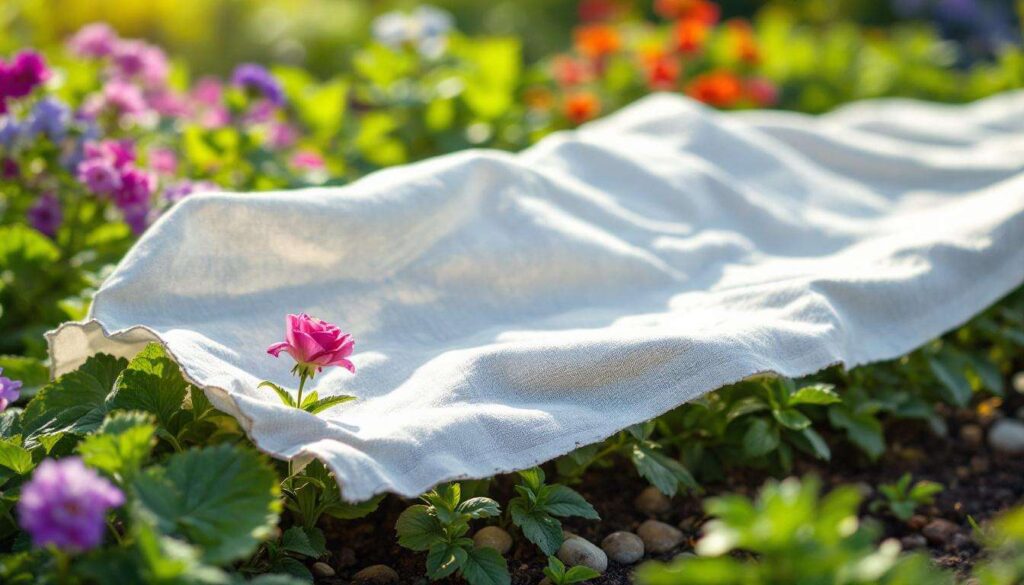
The solution that countless gardeners overlook involves nothing more sophisticated than a permeable fabric barrier placed between soil and air. This material, variously known as landscape fabric, weed membrane or ground cover cloth, operates on a beautifully simple principle: blocking light whilst allowing water and nutrients to penetrate. Without sunlight, weed seeds cannot germinate and existing weeds cannot photosynthesise.
Types of garden cloth available
Several fabric options suit different gardening applications and budgets. Woven polypropylene offers durability and longevity, typically lasting five to ten years before requiring replacement. Non-woven fabrics provide excellent filtration properties whilst remaining lightweight and easy to install. Natural alternatives include biodegradable jute or hemp fabrics for gardeners prioritising completely organic solutions.
The environmental credentials of fabric barriers
Unlike chemical interventions, fabric barriers present minimal environmental risk. They contain no toxic substances that might leach into soil or waterways, pose no threat to wildlife or beneficial insects, and require no repeated applications that compound ecological damage. The one-time installation provides years of protection, making this approach both sustainable and cost-effective over the long term.
How to use a cloth to prevent weed growth
Preparing the ground properly
Successful implementation begins with thorough ground preparation. Remove existing weeds completely, ensuring perennial varieties are extracted with their entire root systems. Level the soil surface and address any drainage issues that might cause water pooling beneath the fabric. This preparatory work determines the effectiveness of the entire system.
Installation techniques for maximum effectiveness
Proper installation ensures the fabric performs optimally throughout its lifespan:
- Unroll the fabric across the prepared bed, allowing generous overlap at edges
- Secure the material using metal landscape pins or staples every 30-40 centimetres
- Overlap adjacent fabric strips by at least 15 centimetres to prevent weed emergence through gaps
- Cut precise openings for existing plants or planned additions
- Apply a decorative mulch layer over the fabric to improve aesthetics and provide additional weight
Maintaining fabric barriers over time
Although fabric barriers require minimal maintenance compared to alternative methods, periodic inspection ensures continued effectiveness. Check for tears or lifted edges where wind or foot traffic might have caused damage. Remove any debris accumulation that could create pockets where weed seeds might germinate. The low-maintenance nature of this approach makes it particularly suitable for busy gardeners or those with mobility limitations.
The advantages of a simple and natural solution in your garden
Economic benefits that accumulate over time
The financial case for fabric barriers becomes increasingly compelling when examined over multiple growing seasons. Initial investment costs range from £20 to £60 for most domestic gardens, depending on area covered and fabric quality selected. This one-time expenditure eliminates recurring herbicide purchases and reduces labour costs associated with manual weeding.
| Solution type | Initial cost | Five-year total cost |
|---|---|---|
| Chemical herbicides | £40 | £200-£400 |
| Manual weeding (time value) | £0 | £300-£500 |
| Fabric barrier | £40 | £40-£60 |
Health and safety advantages
Eliminating chemical herbicides from garden maintenance routines removes potential health hazards from domestic environments. Children and pets can play freely in treated areas without exposure to toxic residues. Gardeners avoid direct contact with substances linked to various health concerns, whilst edible crops grown in protected beds remain genuinely organic.
Environmental stewardship through simple choices
Choosing fabric barriers over chemicals represents a meaningful contribution to environmental protection. Soil ecosystems remain undisturbed, allowing beneficial microorganisms to thrive. Water supplies stay uncontaminated, and wildlife populations face no additional chemical pressures. This approach aligns perfectly with sustainable gardening principles without requiring sacrifice of effectiveness or convenience.
Testimonials and success: gardeners won over by this method
Real experiences from converted gardeners
Margaret from Somerset reports that switching to landscape fabric transformed her vegetable garden: “I spent fifteen years battling couch grass with various herbicides. Within one season of installing weed membrane, my beds were completely clear. The difference in my harvest was remarkable, and I no longer worry about chemical residues on my produce.”
David, an allotment holder in Yorkshire, emphasises the time-saving benefits: “I calculated that manual weeding consumed roughly four hours weekly during growing season. The fabric installation took one weekend, and I’ve reclaimed hundreds of hours over three years. My plot looks immaculate with fraction of the effort.”
Professional horticulturists endorsing fabric barriers
Commercial growers increasingly adopt fabric barriers for both economic and environmental reasons. Professional landscapers report client satisfaction rates exceeding 90% when fabric systems are properly installed. The predictable performance and minimal maintenance requirements make this solution particularly attractive for public spaces and commercial installations where reliability matters.
Garden designers note that fabric barriers actually enhance rather than limit creative possibilities. The clean, weed-free canvas allows ornamental plantings to shine without competition, whilst the structural support facilitates ambitious designs that would be impractical to maintain through manual weeding alone.
The overwhelming evidence from practical experience confirms what logic suggests: sometimes the simplest solution proves the most effective. By returning to straightforward methods that work with natural processes rather than against them, gardeners achieve superior results whilst reducing environmental impact and financial burden. The humble garden cloth demonstrates that innovation need not involve complexity, and that the best answers often lie in rediscovering what works rather than pursuing what’s merely new.