

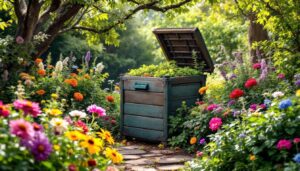

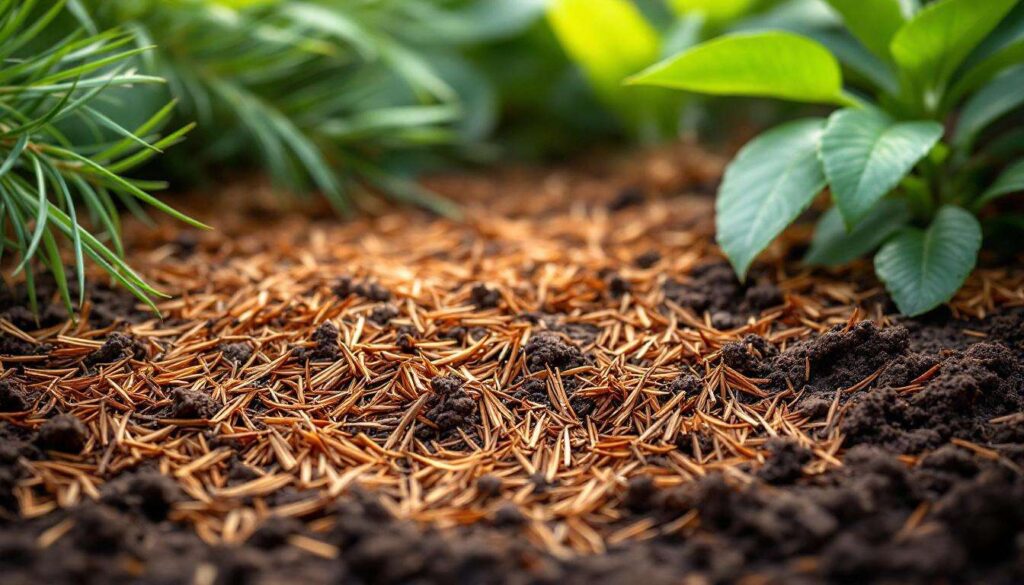
Pine needles often find their way into compost bins across gardens, yet this common practice may be robbing your outdoor spaces of a far more valuable resource. These slender, resilient fallen leaves possess remarkable properties that make them exceptionally useful when applied directly to garden beds rather than broken down through composting. Their unique characteristics offer multiple advantages for soil health, plant protection, and sustainable gardening practices that deserve recognition.
Why Avoid Composting Pine Needles
The Slow Decomposition Challenge
Pine needles present significant challenges when added to traditional compost heaps. Their waxy coating and high lignin content create a natural barrier that resists microbial breakdown, meaning they can take several years to decompose fully. This slow process disrupts the composting cycle and prevents gardeners from obtaining finished compost in reasonable timeframes.
- decomposition period extends from two to four years in standard compost bins
- waxy cuticle repels moisture essential for bacterial activity
- high carbon-to-nitrogen ratio slows microbial processes
- needles tend to mat together, reducing air circulation within compost
Impact on Compost Quality
The addition of pine needles can compromise the overall quality of finished compost. Their tendency to form dense, impenetrable layers restricts oxygen flow, creating anaerobic conditions that produce unpleasant odours and slow the decomposition of other organic materials. Furthermore, the acidic nature of fresh pine needles may temporarily lower the pH of compost, though this effect diminishes as decomposition progresses.
Rather than viewing pine needles as composting material, gardeners can harness their properties for immediate, practical applications that deliver tangible benefits to plants and soil.
The Benefits of Pine Needles in the Garden
Natural Weed Suppression
When applied as a garden covering, pine needles create an effective barrier against unwanted vegetation. Their interlocking structure forms a dense mat that blocks sunlight from reaching weed seeds, preventing germination whilst allowing water and air to penetrate to the soil beneath. This natural weed control reduces the need for chemical herbicides and minimises manual weeding labour.
Moisture Retention Properties
Pine needles excel at conserving soil moisture through multiple mechanisms. Their layered structure creates air pockets that insulate the soil surface, reducing evaporation rates during hot weather. The needles themselves absorb and slowly release water, maintaining consistent moisture levels that benefit plant roots.
| Ground Cover Type | Water Retention Rate | Longevity |
|---|---|---|
| Pine needles | 65-75% | 2-3 years |
| Wood chips | 55-65% | 1-2 years |
| Straw | 45-55% | 6-12 months |
Aesthetic Appeal
Beyond functional benefits, pine needles provide visual enhancement to garden spaces. Their uniform rust-brown colour creates a tidy, natural appearance that complements both formal and informal garden designs. The needles remain attractive throughout the seasons, unlike some organic mulches that become unsightly as they decompose.
These diverse advantages become even more pronounced when considering how pine needles interact with soil chemistry.
Improving Soil Acidity with Pine Needles
Understanding pH Modification
Pine needles possess a mildly acidic nature that gradually influences soil pH over time. Fresh needles typically measure between 3.2 and 3.8 on the pH scale, though this acidity moderates as they age and begin decomposing. The slow release of acidic compounds makes pine needles an ideal amendment for gardens requiring gradual pH adjustment rather than dramatic chemical alterations.
Acid-Loving Plants That Thrive
Numerous popular garden plants flourish in slightly acidic conditions, making pine needle applications particularly beneficial for specific species. These plants have evolved to extract nutrients efficiently from acidic soils and often struggle in neutral or alkaline environments.
- rhododendrons and azaleas: prefer pH between 4.5 and 6.0
- blueberries: optimal growth at pH 4.0 to 5.0
- camellias: thrive in pH range of 5.5 to 6.5
- hydrangeas: blue flower production enhanced by acidic conditions
- heathers and heaths: naturally adapted to acidic moorland soils
- magnolias: perform best with pH below 7.0
Application Rates for pH Adjustment
Achieving desired soil acidity requires careful consideration of application depth and frequency. A layer of five to eight centimetres provides sufficient material to influence pH gradually without overwhelming soil biology. Annual replenishment maintains consistent acidity levels as lower layers decompose and integrate into the soil structure.
The protective qualities of pine needles extend beyond soil chemistry to encompass physical plant protection.
Using Pine Needles as Mulch
Optimal Application Techniques
Proper application maximises the effectiveness of pine needle mulch. Begin by clearing the area of existing weeds and debris, then apply needles to a depth of seven to ten centimetres around established plants. Maintain a gap of several centimetres around plant stems and tree trunks to prevent moisture accumulation that might encourage fungal diseases or pest activity.
Longevity and Maintenance
Pine needle mulch demonstrates remarkable durability compared to alternative organic mulches. The waxy coating that makes needles unsuitable for composting becomes an asset when used as ground cover, as it resists rapid decomposition and maintains structural integrity through multiple seasons. Most applications remain effective for two to three years before requiring supplementation.
Coverage Areas and Quantities
Calculating material requirements ensures adequate coverage without wastage. One cubic metre of loosely packed pine needles typically covers approximately twelve to fifteen square metres at the recommended depth.
| Garden Area | Pine Needles Required | Approximate Cost |
|---|---|---|
| 10 square metres | 0.7 cubic metres | £15-25 |
| 25 square metres | 1.8 cubic metres | £35-55 |
| 50 square metres | 3.5 cubic metres | £65-95 |
These mulching benefits become particularly valuable during challenging weather conditions.
Protecting Plants in Winter with Pine Needles
Insulation Properties
Pine needles provide excellent thermal insulation for plant roots and crowns during cold months. The air spaces between individual needles trap warmth from the soil, creating a buffer against freezing temperatures. This insulation proves especially valuable for borderline-hardy plants and recent transplants that have not yet established extensive root systems.
Preventing Frost Heave
The consistent insulating layer offered by pine needles helps prevent frost heave, a damaging phenomenon where repeated freezing and thawing cycles push plant roots upward and out of the soil. By moderating temperature fluctuations at the soil surface, pine needle mulch maintains stable conditions that keep roots securely anchored throughout winter.
Protection for Specific Plant Types
Different plants benefit from tailored application strategies during winter months. Perennials appreciate a generous layer applied after the ground freezes, which prevents premature spring growth during temporary warm spells. Strawberry beds particularly benefit from pine needle coverage, which keeps fruit clean whilst providing cold protection.
- apply ten to fifteen centimetres over perennial beds after first hard frost
- mound needles around rose bases to protect graft unions
- create protective collars around young shrubs and trees
- cover strawberry plants completely for winter dormancy
These protective applications align perfectly with broader environmental considerations.
Ecology and Natural Recycling of Pine Needles
Mimicking Forest Floor Dynamics
Using pine needles in gardens replicates natural forest ecosystems where fallen needles create a self-sustaining cycle. In woodland environments, accumulated needles gradually break down, releasing nutrients whilst fostering beneficial fungi and microorganisms. Garden applications harness these same ecological processes, creating healthier soil food webs that support robust plant growth.
Supporting Beneficial Organisms
Pine needle layers provide habitat and food sources for numerous beneficial garden inhabitants. Ground beetles, spiders, and other predatory insects shelter beneath needle mulch, emerging to control pest populations. Earthworms gradually incorporate decomposing needles into deeper soil layers, improving structure and nutrient distribution.
Reducing Waste and Carbon Footprint
Utilising pine needles directly in gardens eliminates the environmental costs associated with disposal and replacement mulch production. This approach reduces the carbon emissions from transporting waste materials whilst avoiding the methane production that occurs when organic matter decomposes in landfills.
| Disposal Method | Carbon Impact | Resource Efficiency |
|---|---|---|
| Garden application | Minimal | Excellent |
| Green waste collection | Moderate | Good |
| Landfill disposal | High | Poor |
Pine needles represent a genuinely sustainable gardening resource that combines practical benefits with environmental responsibility. Their unique properties make them unsuitable for conventional composting, yet these same characteristics deliver exceptional value when applied directly to garden beds. From moisture retention and weed suppression to soil acidification and winter protection, pine needles offer versatile solutions for common gardening challenges. By embracing these natural materials and understanding their optimal applications, gardeners can enhance plant health whilst reducing reliance on purchased products and minimising environmental impact. The humble pine needle deserves recognition not as compost fodder, but as a valuable garden ally in its own right.