

Gardening enthusiasts are constantly seeking innovative methods to reduce waste whilst improving their outdoor spaces. One surprising solution lies in repurposing old wool sweaters, transforming unwanted garments into valuable gardening assets. This sustainable approach not only diverts textiles from landfills but also harnesses wool’s unique properties to benefit plants, soil, and garden aesthetics. From mulching to pest control, these clever techniques demonstrate how resourcefulness can enhance both environmental responsibility and horticultural success.
Recycling to extend the life of your clothes
Why wool sweaters deserve a second chance
Textile waste represents a significant environmental challenge, with millions of tonnes discarded annually across the UK. Wool sweaters, particularly those affected by shrinkage, moth damage, or simple wardrobe changes, often end up in rubbish bins despite their continued utility. By redirecting these garments towards gardening applications, households can significantly reduce their environmental footprint whilst creating practical solutions for outdoor spaces.
Preparing wool garments for garden use
Before incorporating old sweaters into gardening projects, proper preparation ensures optimal results. The following steps streamline the transformation process:
- Wash garments thoroughly to remove any detergents or fabric softeners
- Cut away buttons, zips, and synthetic embellishments
- Separate pure wool items from blended fabrics for specific applications
- Store prepared materials in a dry location until needed
This preliminary work maximises the effectiveness of wool in various garden contexts, ensuring that natural fibres decompose appropriately whilst synthetic components don’t contaminate soil. Understanding these distinctions helps gardeners make informed decisions about which projects suit particular garments best.
The benefits of wool mulch
Natural moisture retention properties
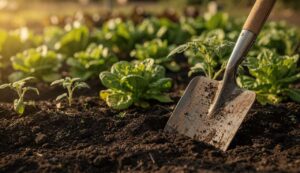
Wool possesses exceptional water-holding capabilities, absorbing up to 30% of its weight in moisture without feeling damp. When cut into strips or shredded, old sweaters create an effective mulching layer that regulates soil hydration. This characteristic proves particularly valuable during dry spells, reducing irrigation frequency whilst maintaining consistent moisture levels around plant roots. The fibrous structure allows gradual water release, preventing both waterlogging and rapid evaporation.
Temperature regulation for healthier roots
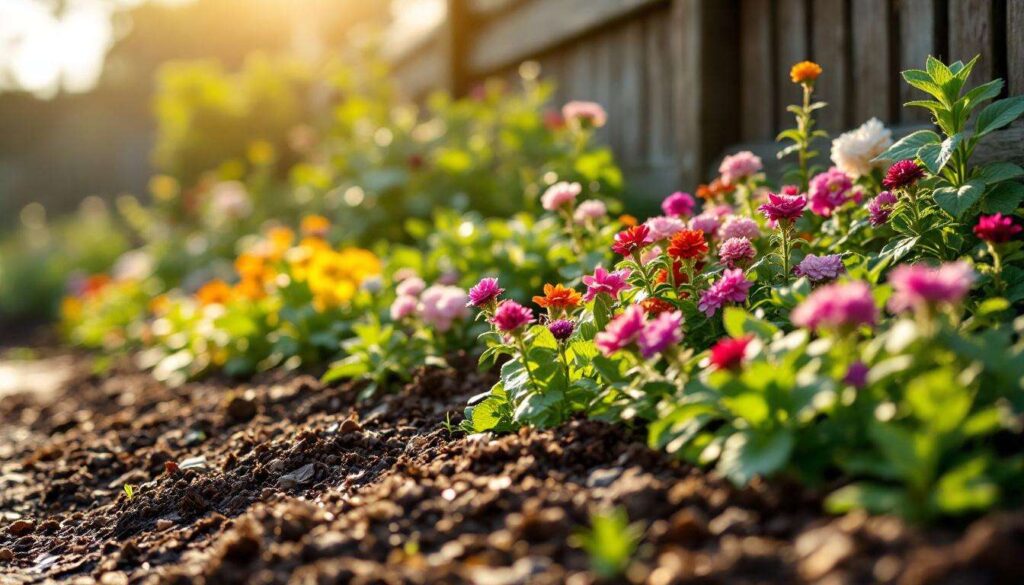
Garden beds benefit enormously from wool’s natural insulation properties. A layer of woollen mulch moderates soil temperature fluctuations, protecting roots from extreme heat in summer and frost damage during colder months. This thermal stability encourages robust root development and extends growing seasons for temperature-sensitive species.
| Mulch Type | Water Retention | Insulation Rating | Decomposition Period |
|---|---|---|---|
| Wool fibres | Excellent | High | 12-18 months |
| Bark chips | Moderate | Moderate | 24-36 months |
| Straw | Low | Moderate | 6-12 months |
These moisture and temperature benefits naturally lead to considerations about protecting vulnerable plants through more structured applications of woollen materials.
Creating shelters for sensitive plants
Winter protection for tender perennials
Delicate plants require additional safeguarding during harsh weather conditions. Wrapping wool fabric around pots or creating protective coverings for crown areas shields sensitive species from frost damage. Unlike synthetic materials, wool allows air circulation whilst providing insulation, preventing the condensation buildup that can encourage fungal diseases. This breathability makes it superior to plastic alternatives for overwintering tender perennials.
Constructing miniature cloches
Innovative gardeners fashion small protective structures from wool sweaters by following these methods:
- Shape wire frames into dome configurations over individual plants
- Drape wool fabric over frames, securing edges with stones or pegs
- Create layered protection for extremely vulnerable specimens
- Remove coverings during mild periods to prevent overheating
These temporary shelters prove especially valuable for newly planted seedlings or frost-sensitive herbs, offering adjustable protection that responds to changing weather patterns. Beyond protective functions, wool’s organic composition contributes additional benefits when incorporated into composting systems.
Using fibres to enrich compost
Nitrogen contribution during decomposition
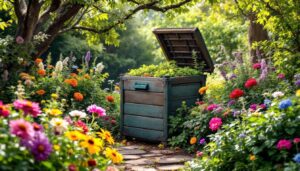
Wool contains approximately 15-17% nitrogen, making it a valuable addition to compost heaps. As fibres break down, they release this essential nutrient gradually, enriching the resulting compost with plant-available nitrogen. Cutting sweaters into small pieces accelerates decomposition, typically completing within 12-18 months under optimal composting conditions. This slow-release characteristic prevents the nutrient leaching associated with synthetic fertilisers.
Balancing carbon-to-nitrogen ratios
Successful composting requires maintaining appropriate proportions between carbon-rich “brown” materials and nitrogen-rich “green” additions. Wool fibres function as green material, balancing carbon-heavy inputs such as dried leaves, cardboard, and woody prunings. The recommended approach involves:
- Shredding wool into pieces no larger than 5cm square
- Mixing thoroughly with existing compost materials
- Maintaining moisture levels to facilitate microbial activity
- Turning the heap regularly to ensure even decomposition
This nutrient-rich compost ultimately returns to garden beds, completing a sustainable cycle. Meanwhile, wool’s physical properties offer additional advantages in managing unwanted vegetation.
Wool, a natural barrier against weeds
Suppressing growth through light exclusion
Laying wool fabric directly onto soil creates an effective weed barrier by blocking sunlight essential for germination. Unlike permeable landscape fabrics, wool simultaneously suppresses weeds whilst allowing water and air penetration. As the material gradually decomposes, it enriches the soil beneath rather than creating disposal problems. This dual functionality makes it particularly suitable for establishing new beds or protecting areas during fallow periods.
Creating pathways and borders
Strategic placement of wool strips defines garden zones whilst preventing weed encroachment. Pathways lined with overlapping wool pieces remain largely weed-free throughout the growing season, reducing maintenance requirements. The material’s natural texture provides adequate traction even when damp, avoiding the slipperiness associated with some organic mulches. This practical application demonstrates how aesthetic considerations can align with functional gardening needs.
Decorative tip: crafting woollen flower pots
Felting techniques for container creation
Wool’s felting properties enable gardeners to craft unique, biodegradable containers. By manipulating wool fibres through moisture, heat, and agitation, sweaters transform into sturdy plant pots with rustic charm. These containers work exceptionally well for alpine plants, herbs, and succulents that prefer well-drained conditions. The porous nature of felted wool prevents waterlogging whilst maintaining adequate moisture for root systems.
Customising designs for visual appeal
Creative possibilities abound when repurposing colourful or patterned sweaters into decorative elements:
- Preserve interesting patterns by selecting specific sweater sections
- Combine multiple colours for patchwork effects
- Add embellishments using natural materials like twine or dried flowers
- Size containers according to plant requirements and available space
These personalised creations add character to patios, windowsills, and garden displays whilst demonstrating commitment to sustainable practices. The aesthetic value complements the environmental benefits, making wool repurposing both practical and visually rewarding.
Transforming old wool sweaters into gardening resources exemplifies practical sustainability. These techniques reduce textile waste, improve soil quality, protect vulnerable plants, and enhance garden aesthetics simultaneously. Whether used as mulch, compost additions, weed barriers, or decorative containers, wool proves remarkably versatile. Gardeners embracing these methods contribute to environmental conservation whilst discovering cost-effective solutions that benefit their outdoor spaces. The natural properties of wool align perfectly with organic gardening principles, offering biodegradable alternatives to synthetic products that ultimately enrich rather than burden the ecosystem.