



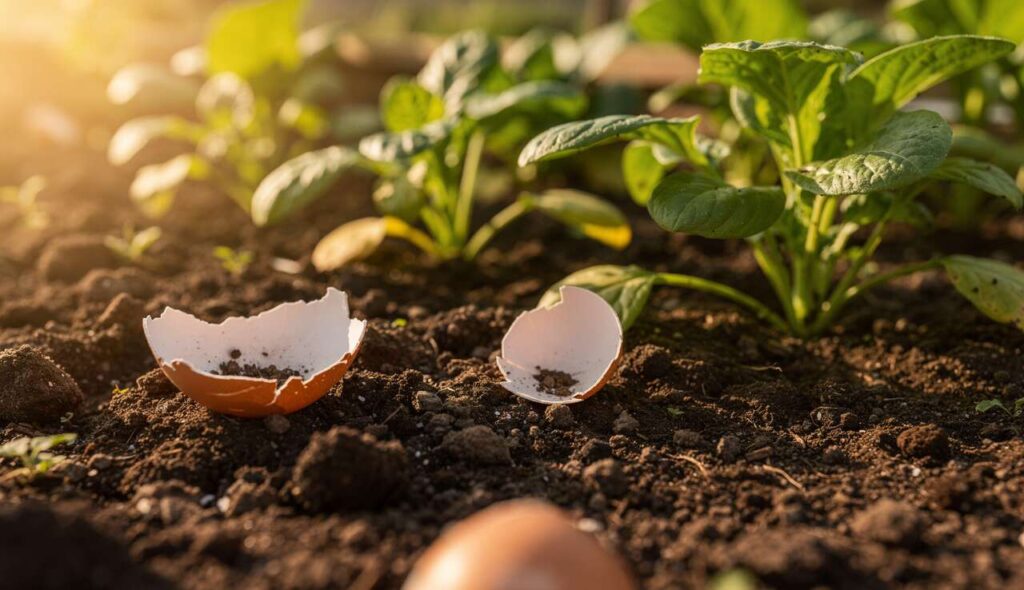
Gardeners across the country constantly seek sustainable methods to boost their vegetable patches without resorting to chemical fertilisers. The answer might be sitting in your kitchen bin right now, overlooked and undervalued. This humble ingredient has nourished soils for generations, yet modern gardening culture has largely forgotten its remarkable potential. By rediscovering this simple resource, you can transform your vegetable garden into a thriving ecosystem whilst reducing household waste.
Why a vegetable garden ?
The rise of home-grown produce
Growing your own vegetables offers tangible benefits that extend far beyond the dinner table. Home gardeners enjoy access to fresh, nutrient-rich produce without the uncertainty surrounding commercial farming practices. The satisfaction of harvesting vegetables you’ve nurtured from seed creates a connection to food that supermarket shopping simply cannot replicate.
Environmental and economic advantages
Maintaining a vegetable garden significantly reduces your carbon footprint by eliminating transportation emissions associated with shop-bought produce. The financial savings accumulate quickly, particularly for families who consume substantial quantities of fresh vegetables. Consider these compelling reasons to start growing:
- Reduction in plastic packaging waste
- Control over pesticide and chemical usage
- Year-round supply of seasonal vegetables
- Therapeutic benefits of outdoor activity
- Educational opportunities for children
Beyond these practical considerations, vegetable gardens contribute to local biodiversity by providing habitats for beneficial insects and pollinators. This creates a balanced ecosystem that naturally manages pests whilst supporting wildlife populations. These environmental considerations naturally lead to questions about sustainable soil enrichment methods.
Your kitchen’s miracle ingredient
Coffee grounds: the forgotten treasure
The ingredient transforming vegetable gardens is used coffee grounds, a resource most households discard daily without a second thought. This rich, dark substance contains valuable nutrients that plants crave, making it an exceptional soil amendment. Coffee grounds represent a perfect example of circular economy principles, converting waste into a valuable gardening resource.
Nutritional composition
Coffee grounds contain approximately 2% nitrogen, along with trace amounts of phosphorus and potassium. They also provide essential micronutrients including magnesium, copper, and calcium. The following table illustrates the nutritional profile:
| Nutrient | Percentage | Benefit |
|---|---|---|
| Nitrogen | 2% | Leaf growth |
| Phosphorus | 0.3% | Root development |
| Potassium | 0.3% | Overall plant health |
| Magnesium | 0.1% | Photosynthesis |
Understanding these nutritional benefits naturally prompts investigation into how coffee grounds specifically interact with soil structure and composition.
The unexpected benefits for the soil
Improving soil structure and drainage
Coffee grounds enhance soil texture by increasing organic matter content, which improves both water retention and drainage simultaneously. This seemingly contradictory effect occurs because the grounds create air pockets within the soil structure, allowing excess water to drain whilst retaining moisture around plant roots. Clay soils become more friable, whilst sandy soils gain improved water-holding capacity.
Attracting beneficial organisms
Earthworms find coffee grounds particularly appealing, and their presence dramatically improves soil health. These industrious creatures process the grounds, creating nutrient-rich castings whilst aerating the soil through their tunnelling activities. The grounds also support beneficial microorganisms that break down organic matter and make nutrients available to plants.
Natural pest deterrent properties
Coffee grounds possess mild pest-repelling qualities that discourage slugs, snails, and certain insects without harming beneficial garden visitors. The caffeine content and abrasive texture create an unwelcoming environment for soft-bodied pests. Additionally, the strong aroma may mask the scent of vulnerable plants, providing another layer of protection. These multifaceted benefits raise practical questions about application methods.
How to use this ingredient in the vegetable garden
Direct soil incorporation
Mix coffee grounds directly into your vegetable beds at a ratio of one part grounds to four parts soil. Work them into the top 15 centimetres of soil, ensuring even distribution throughout the planting area. This method works particularly well when preparing beds before the growing season begins.
Composting with coffee grounds
Adding coffee grounds to your compost bin accelerates decomposition by providing nitrogen-rich “green” material. Balance them with carbon-rich “brown” materials such as dried leaves or shredded paper. The ideal ratio is roughly one part coffee grounds to three parts brown material. Remember to include the paper filters, which break down readily and add additional carbon.
Creating liquid fertiliser
Steep used coffee grounds in water for 24 hours to create a nutrient-rich liquid fertiliser. Use this solution to water plants directly, providing a gentle nutrient boost without risk of burning delicate roots. This method proves especially useful for container-grown vegetables and seedlings.
Mulching applications
Spread a thin layer of coffee grounds around established plants as mulch, taking care not to exceed a depth of one centimetre. Thicker applications may create a water-resistant barrier or develop mould. Combine grounds with other mulching materials for optimal results. With these application methods established, attention turns to optimising their effectiveness.
Tips for maximising its effectiveness
Quantity and frequency guidelines
Moderation remains crucial when using coffee grounds. Excessive applications can increase soil acidity beyond acceptable levels for most vegetables. Limit applications to once monthly during the growing season, using no more than 500 grams per square metre. Monitor plant response and adjust accordingly.
Best vegetables for coffee ground treatment
Certain vegetables respond particularly well to coffee ground amendments:
- Tomatoes thrive with the additional nitrogen
- Carrots benefit from improved soil structure
- Radishes grow more successfully in looser soil
- Blueberries appreciate the slight acidity increase
- Courgettes respond well to the nutrient boost
Avoiding common mistakes
Never apply fresh, wet coffee grounds in thick layers, as they compact and create anaerobic conditions. Always allow grounds to dry slightly or mix them thoroughly with soil. Avoid using grounds exclusively around seedlings, as the caffeine content may inhibit germination in some species. Test small areas first before widespread application. These practical considerations gain additional credibility through experienced voices.
Opinions from experts and enthusiastic gardeners
Horticultural research findings
Studies from the Royal Horticultural Society confirm that coffee grounds improve soil structure and provide modest nutritional benefits when used appropriately. Research emphasises the importance of incorporating grounds into soil rather than surface application alone. Scientists note that the grounds’ effectiveness increases when combined with other organic amendments.
Testimonials from experienced gardeners
Margaret Thompson, an allotment holder from Yorkshire with 30 years’ experience, reports remarkable improvements in her tomato yields since incorporating coffee grounds into her routine. She collects grounds from local cafés weekly, composting them before application. Similarly, David Chen, an organic vegetable grower from Cornwall, credits coffee grounds with transforming his heavy clay soil into a workable, productive medium over three growing seasons.
Professional landscaper perspectives
Commercial growers increasingly recognise coffee grounds’ potential as a sustainable soil amendment. Professional landscapers appreciate the cost-effectiveness and environmental benefits, particularly for clients seeking organic growing methods. The consensus emphasises proper application techniques and realistic expectations regarding nutritional content.
Transforming kitchen waste into garden gold represents both practical sustainability and effective horticulture. Coffee grounds offer vegetable gardeners an accessible, cost-free method to enrich soil whilst reducing household waste. Their benefits extend from improved soil structure and drainage to attracting beneficial organisms and providing essential nutrients. Success requires understanding proper application methods, respecting quantity guidelines, and selecting appropriate vegetables for treatment. The testimonials from experienced gardeners and validation from horticultural experts confirm that this forgotten ingredient deserves recognition as a valuable gardening resource. By incorporating coffee grounds into your vegetable garden routine, you embrace sustainable practices whilst nurturing healthier, more productive plants.