


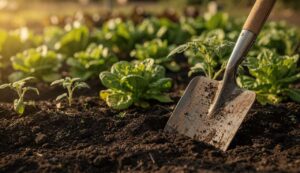
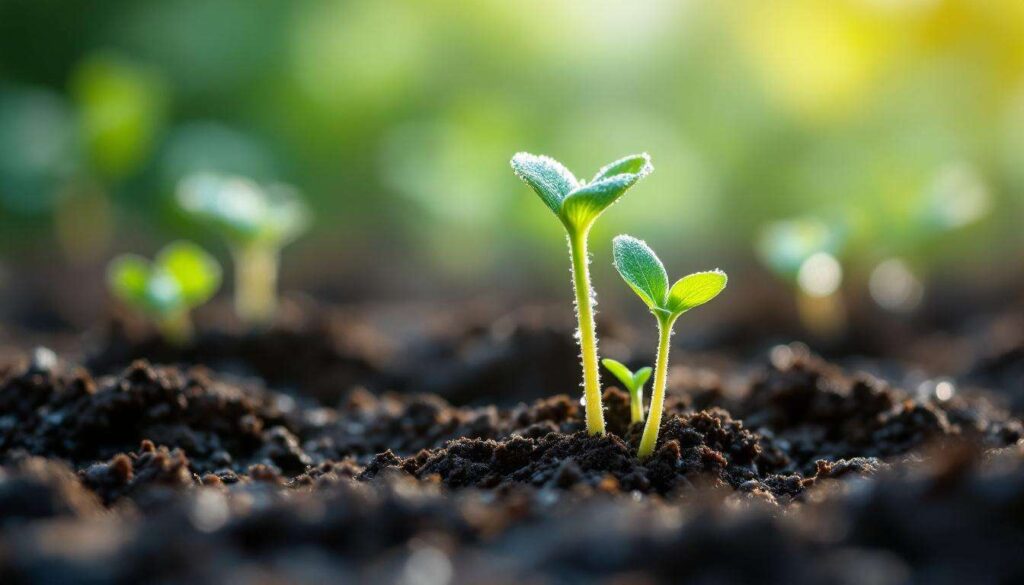
Gardeners and farmers across temperate regions are witnessing an unusual phenomenon: seedlings emerging weeks or even months ahead of schedule. This premature sprouting, driven by shifting weather patterns and unseasonably warm temperatures, poses significant challenges for plant survival and agricultural productivity. Understanding the mechanisms behind early germination and implementing protective measures has become essential for anyone cultivating crops or ornamental plants in an increasingly unpredictable climate.
Impact of climate change on early seedling germination
Rising temperatures disrupting natural dormancy cycles
Climate change has fundamentally altered the thermal cues that govern seed dormancy and germination. Traditional winter cold periods, which historically kept seeds dormant until favourable spring conditions arrived, are becoming shorter and less reliable. Warmer soil temperatures during what should be the dormant season trigger biochemical processes within seeds, breaking dormancy prematurely and initiating growth cycles at inappropriate times.
Research indicates that average winter temperatures have increased by approximately 1.5 to 2 degrees Celsius in many temperate zones over the past three decades. This seemingly modest shift has profound effects on plant physiology, as many species require specific temperature thresholds to remain dormant. When soil temperatures exceed these critical points, even briefly, seeds interpret the warmth as a signal that spring has arrived.
Altered precipitation patterns affecting soil moisture
Beyond temperature changes, modified rainfall distribution contributes significantly to early germination events. Unseasonable rainfall during traditionally dry winter months creates ideal moisture conditions that, combined with warmer temperatures, provide the perfect environment for seed activation. This dual effect amplifies the likelihood of premature sprouting across various plant species.
| Climate Factor | Historical Pattern | Current Trend | Impact on Germination |
|---|---|---|---|
| Winter Temperature | Consistently below 5°C | Fluctuating 5-12°C | Breaks dormancy prematurely |
| Soil Moisture | Low during winter | Increased winter rainfall | Activates germination processes |
| Frost Events | Regular, predictable | Sporadic, unpredictable | Damages emerged seedlings |
These environmental shifts create a precarious situation where seedlings emerge during temporary warm spells, only to face potentially lethal frost events later in the season. Understanding these patterns helps explain why early germination has become increasingly common and problematic.
Reasons behind the early emergence of seedlings
Biological mechanisms triggering premature sprouting
Seeds possess sophisticated environmental sensing mechanisms that have evolved over millennia to optimise germination timing. These systems rely on multiple cues, including temperature, moisture, light exposure, and chemical signals. When climate conditions deviate from historical norms, these finely tuned mechanisms can misinterpret environmental signals, leading to inappropriate germination timing.
The process begins when imbibition occurs, meaning seeds absorb water and swell. If temperatures remain sufficiently warm, enzymatic activity increases, breaking down stored nutrients and initiating cell division. In many species, a period of cold stratification is required to break dormancy, but increasingly mild winters may provide just enough cold exposure to satisfy this requirement without maintaining the low temperatures necessary to delay spring germination.
Species-specific vulnerabilities to early germination
Different plant species exhibit varying susceptibility to early sprouting based on their evolutionary adaptations and dormancy requirements. Some particularly vulnerable groups include:
- Spring bulbs such as tulips, daffodils, and crocuses that respond quickly to soil warming
- Biennial vegetables including carrots, parsnips, and brassicas that require vernalisation
- Tree seedlings from species like oak, beech, and maple with relatively shallow dormancy
- Annual wildflowers adapted to Mediterranean or temperate climates with mild winters
- Autumn-sown crops such as winter wheat and barley that may bolt prematurely
Human activities amplifying the problem
While climate change represents the primary driver, certain agricultural and horticultural practices inadvertently exacerbate early germination issues. The use of black plastic mulches or landscape fabrics can increase soil temperatures by several degrees, creating microclimate conditions that promote premature sprouting. Similarly, urban heat island effects in populated areas raise ambient temperatures, affecting gardens and green spaces within city boundaries.
These biological and environmental factors combine to create conditions where early seedling emergence becomes increasingly common, necessitating proactive management strategies to protect vulnerable plants.
Ecological and agricultural consequences of early germination
Frost damage and seedling mortality
The most immediate and visible consequence of early germination is frost damage to tender seedlings. When plants emerge during warm spells but subsequently face freezing temperatures, ice crystals form within plant tissues, rupturing cell walls and causing irreversible damage. This phenomenon affects both the visible above-ground portions and the developing root systems, often resulting in complete seedling death.
Agricultural losses from frost-damaged crops can be substantial. Farmers may face reduced yields or complete crop failure when early-germinated plants succumb to late-season frosts. In horticulture, early-sprouting bulbs and perennials may exhaust their energy reserves producing foliage that dies back, leaving insufficient resources for proper spring growth and flowering.
Disruption of ecosystem synchronisation
Phenological mismatches represent a more subtle but equally concerning consequence of early germination. Natural ecosystems depend on precise timing between plant emergence, pollinator activity, and herbivore life cycles. When seedlings appear earlier than historical norms, the intricate web of ecological relationships can become desynchronised.
| Ecological Relationship | Normal Timing | Impact of Early Germination |
|---|---|---|
| Plant-Pollinator | Flowers open when pollinators emerge | Flowers may bloom before pollinators are active |
| Plant-Herbivore | Fresh growth available when needed | Growth cycle misaligned with feeding patterns |
| Seed-Disperser | Seeds mature when dispersers present | Timing disrupted, reducing dispersal success |
Economic implications for agriculture
The financial ramifications of early germination extend throughout the agricultural sector. Crop insurance claims related to frost damage have increased in regions experiencing more variable winter weather. Farmers must invest in protective infrastructure such as row covers, cold frames, or polytunnels, adding to production costs. Additionally, replanting necessitated by seedling losses delays harvest schedules and reduces overall productivity.
For commercial nurseries and seed producers, early germination complicates inventory management and threatens the viability of stored seed stock. These challenges underscore the need for effective protective strategies that can mitigate the risks associated with premature sprouting.
Strategies for protecting seedlings until spring
Physical protection methods
Implementing physical barriers represents one of the most effective approaches to safeguarding early-emerged seedlings from frost damage. Several proven techniques include:
- Horticultural fleece: lightweight fabric that provides 2-4°C of frost protection whilst allowing light and moisture penetration
- Cloches and cold frames: transparent covers that create protective microclimates around individual plants or small groups
- Mulching: applying organic materials such as straw, leaves, or bark to insulate soil and moderate temperature fluctuations
- Row covers: commercial-grade fabrics supported by hoops, ideal for protecting rows of vegetables or field crops
- Polytunnels: larger structures providing comprehensive protection for extensive plantings
Each method offers different levels of protection and suits particular situations. Horticultural fleece works excellently for ornamental beds and small vegetable patches, whilst commercial operations may require more substantial infrastructure like polytunnels to protect valuable crops economically.
Soil management techniques
Manipulating soil conditions can help delay or prevent premature germination. Maintaining mulch layers throughout winter keeps soil temperatures lower and more stable, reducing the likelihood of warm spells triggering germination. Avoiding unnecessary soil disturbance during autumn and winter prevents bringing dormant seeds closer to the surface where they experience more temperature fluctuation.
For autumn-sown crops, timing planting carefully to avoid excessively early sowing reduces the risk of premature emergence. Monitoring soil temperatures and waiting until they drop below critical thresholds for germination helps ensure seeds remain dormant until appropriate spring conditions arrive.
Strategic planning and variety selection
Long-term adaptation requires thoughtful planning and selecting plant varieties bred for resilience. Choosing cultivars with deeper dormancy requirements or greater cold tolerance provides inherent protection against early germination risks. Some modern varieties have been specifically developed to withstand temperature fluctuations and unpredictable weather patterns.
Adjusting planting schedules based on local climate trends rather than traditional calendar dates helps align cultivation practices with current environmental realities. Keeping detailed records of germination timing, frost events, and weather patterns enables gardeners and farmers to refine their approaches year after year.
These protective strategies, when implemented thoughtfully and consistently, significantly improve seedling survival rates and help maintain productivity despite increasingly challenging climatic conditions.
Role of gardeners and farmers in preserving seedlings
Monitoring and early intervention
Vigilant observation forms the foundation of effective seedling protection. Regularly checking planted areas for signs of premature emergence allows for timely intervention before frost damage occurs. Modern technology, including weather apps and soil temperature monitors, provides valuable data for anticipating germination events and frost risks.
When early sprouting is detected, immediate action can prevent losses. Applying protective coverings before predicted frost events, even if seedlings appear healthy, provides crucial insurance against temperature drops. Proactive management consistently outperforms reactive responses in preserving plant health and vigour.
Knowledge sharing and community engagement
Individual efforts gain strength through collective action and information exchange. Gardening clubs, agricultural cooperatives, and online communities serve as valuable platforms for sharing observations about germination patterns, successful protection strategies, and variety performance under changing conditions.
Participating in citizen science projects that track phenological changes contributes to broader scientific understanding whilst helping local communities adapt more effectively. Recording and reporting germination dates, frost damage incidents, and protective measure outcomes builds valuable datasets that inform future recommendations and research priorities.
Sustainable practices for long-term resilience
Building soil health and ecosystem resilience provides foundational support for seedling survival. Practices that enhance soil structure, increase organic matter content, and promote beneficial microbial communities create more stable growing environments that buffer against temperature extremes.
- Incorporating compost and organic amendments to improve soil structure and water retention
- Maintaining diverse plantings that support beneficial insects and natural pest control
- Minimising chemical inputs that may disrupt soil biology and plant stress responses
- Implementing crop rotation and cover cropping to maintain soil fertility and health
- Creating windbreaks and hedgerows that moderate microclimate conditions
These practices not only protect individual seedlings but also contribute to agricultural systems better equipped to withstand the challenges posed by climate variability. The cumulative effect of many individuals adopting such approaches creates meaningful impact at landscape and regional scales.
Early seedling germination driven by climate change presents significant challenges requiring adaptive management strategies. Physical protection methods, careful monitoring, and sustainable cultivation practices offer effective means of safeguarding vulnerable plants through unpredictable weather patterns. Success depends on combining traditional horticultural knowledge with modern understanding of climate dynamics, whilst fostering community collaboration and information sharing. By implementing these approaches, gardeners and farmers can maintain productivity and preserve plant populations despite increasingly erratic seasonal transitions, ensuring continued food security and ecological health for future generations.