


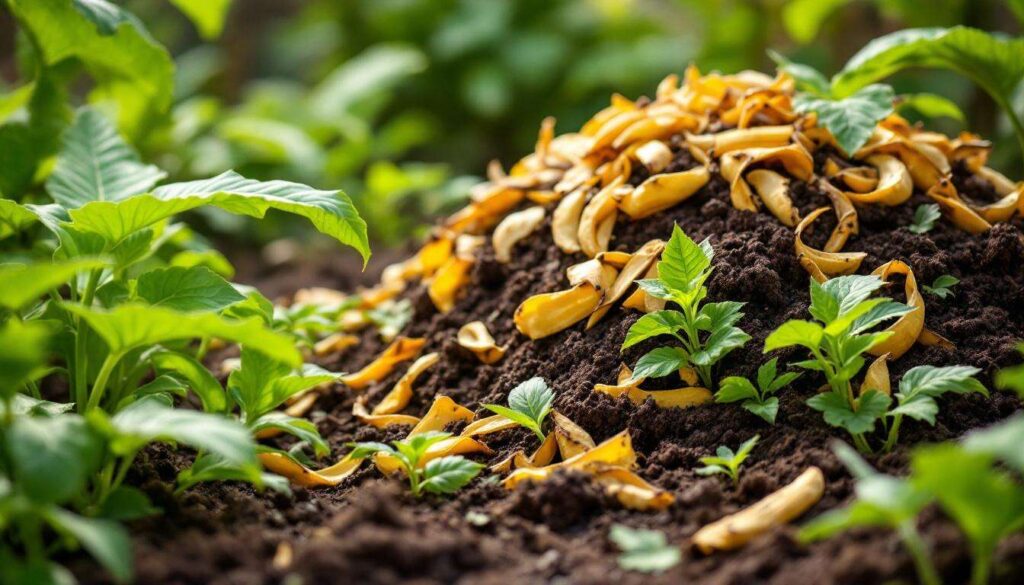
Every gardener seeks ways to nourish their plants without breaking the bank, and one of the simplest solutions might already be sitting in your kitchen bin. Banana peels, often discarded without a second thought, contain a wealth of nutrients that can transform your garden into a thriving green space. This humble kitchen scrap offers an eco-friendly alternative to shop-bought fertilisers whilst helping to reduce household waste. By repurposing banana peels, gardeners can tap into a free source of essential minerals that support robust plant growth, vibrant blooms, and healthier yields.
Introduction to banana peels as a fertiliser
Understanding the nutritional composition
Banana peels are remarkably rich in potassium, a mineral that plays a crucial role in overall plant vitality. This nutrient helps regulate water uptake, strengthens disease resistance, and supports the development of flowers and fruit. Beyond potassium, these peels contain calcium, which aids in building strong cell walls and promotes healthy root systems. Phosphorus, another key component, encourages vigorous root development and enhances flowering capacity.
The peels also provide smaller quantities of magnesium and trace elements such as iron, both of which contribute to chlorophyll production and improved leaf colour. Whilst banana peels do not contain high levels of nitrogen, they serve as an excellent supplementary source of nutrients when combined with other organic materials.
Why choose banana peels over commercial options
Opting for banana peel fertiliser offers several advantages:
- Cost-effectiveness: transforms waste into a valuable gardening resource
- Environmental benefits: reduces landfill contributions and chemical runoff
- Accessibility: readily available in most households
- Gentle on plants: releases nutrients slowly, minimising the risk of over-fertilisation
Understanding these foundational benefits sets the stage for exploring how banana peels can specifically enhance various aspects of garden health.
The benefits of banana peels for the garden
Promoting flowering and fruiting
The high potassium content in banana peels makes them particularly valuable for flowering plants and fruit-bearing crops. Potassium regulates the opening and closing of stomata, the tiny pores on leaves that control gas exchange and water loss. This regulation improves the plant’s ability to withstand stress from heat or drought whilst encouraging abundant blooms and larger, more flavourful fruits.
Tomatoes, roses, and peppers respond especially well to potassium supplementation. Gardeners who regularly apply banana peel fertiliser to these plants often notice improved fruit set and enhanced colour in both flowers and produce.
Improving soil structure and microbial activity
When banana peels decompose in soil, they contribute organic matter that improves soil texture and water retention. The breakdown process feeds beneficial microorganisms, creating a thriving soil ecosystem that supports plant health. Earthworms are particularly attracted to decomposing banana peels, and their activity further aerates the soil and distributes nutrients.
| Nutrient | Primary benefit | Best suited for |
|---|---|---|
| Potassium | Disease resistance, fruit development | Tomatoes, roses, fruit trees |
| Calcium | Root strength, cell wall formation | Vegetables, perennials |
| Phosphorus | Root growth, flowering | Bulbs, flowering plants |
| Magnesium | Chlorophyll production | Leafy greens, herbs |
These diverse benefits demonstrate why banana peels have become a staple in many organic gardening practices, leading naturally to practical methods for preparing them.
How to make a liquid fertiliser from banana peels
The basic infusion method
Creating a liquid banana peel fertiliser involves a straightforward steeping process. Begin by collecting two to four banana peels, preferably from organic bananas to avoid pesticide residues. Chop the peels into small pieces, approximately two centimetres in size, to accelerate the extraction of nutrients.
Place the chopped peels in a clean glass jar or plastic container and cover them with approximately one litre of water. Seal the container and store it in a cool, dark location such as a cupboard or shed. Allow the mixture to steep for 48 to 72 hours, during which time the water will darken as nutrients leach from the peels.
Application guidelines
After straining the liquid through a fine mesh or cheesecloth, dilute it with an equal amount of fresh water before applying to plants. This dilution prevents potential over-concentration of minerals that might stress sensitive plants. Use the liquid fertiliser to water plants at the base, avoiding foliage to reduce the risk of fungal issues.
Apply this solution every two to three weeks during the growing season for optimal results. The remaining solid peel material should not go to waste, as it holds further potential for enriching your garden.
Reusing banana peels in compost
Incorporating peels into compost bins
Banana peels make an excellent addition to compost heaps, where they break down relatively quickly compared to many other kitchen scraps. Their soft texture and high moisture content accelerate decomposition, particularly when mixed with carbon-rich materials such as dried leaves, cardboard, or straw.
To maximise composting efficiency, chop banana peels into smaller pieces before adding them to the bin. This increases the surface area available for microbial action and prevents large chunks from creating anaerobic pockets that can produce unpleasant odours.
Balancing green and brown materials
Banana peels count as green material in composting terminology, meaning they provide nitrogen and moisture. For a well-balanced compost, maintain a ratio of approximately three parts brown material to one part green material. This balance ensures proper decomposition whilst preventing the compost from becoming too wet or nitrogen-heavy.
- Chop peels into pieces no larger than five centimetres
- Mix thoroughly with brown materials to prevent clumping
- Turn the compost regularly to incorporate oxygen
- Monitor moisture levels, adding dry materials if the mix becomes soggy
The composted material will eventually provide a rich soil amendment, though some gardeners prefer a more immediate application method.
Boosting your plants with banana peel tea
Preparing a concentrated nutrient brew
Banana peel tea represents a more concentrated version of the basic liquid fertiliser. This method involves fermenting the peels for a longer period, typically five to seven days, which allows for greater nutrient extraction. Use four to six peels per litre of water for this stronger solution.
During fermentation, beneficial microorganisms multiply, creating a living fertiliser that not only provides nutrients but also introduces helpful bacteria to the soil. The tea may develop a slightly earthy smell, which indicates active fermentation. If the odour becomes unpleasant, the mixture has likely turned anaerobic and should be discarded.
Targeted application for specific plants
Due to its higher concentration, banana peel tea should be diluted at a ratio of one part tea to five parts water before application. This potent solution works particularly well as a foliar spray for plants showing signs of potassium deficiency, such as yellowing leaf edges or poor fruit development.
Apply the diluted tea in the early morning or late evening to prevent leaf scorch from sun exposure. Focus on plants that benefit most from potassium supplementation, including flowering annuals, vegetable crops, and fruit-bearing shrubs. With these preparation methods established, attention turns to maximising their effectiveness.
Tips to optimise the use of homemade fertilisers
Combining with other organic amendments
Whilst banana peels offer valuable nutrients, they should not serve as the sole source of plant nutrition. Their low nitrogen content means they work best when combined with nitrogen-rich materials such as grass clippings, coffee grounds, or well-rotted manure. This combination creates a more complete nutritional profile that supports all aspects of plant growth.
Consider creating a fertiliser rotation schedule that alternates between banana peel applications and other organic supplements. This approach ensures plants receive a diverse array of nutrients throughout the growing season.
Storage and preparation best practices
To maintain the quality of your banana peel fertiliser, follow these guidelines:
- Store liquid fertiliser in sealed containers in cool conditions for up to one week
- Freeze banana peels if you cannot use them immediately
- Label containers with preparation dates to track freshness
- Clean all equipment thoroughly between batches to prevent contamination
- Monitor plants for signs of nutrient imbalance and adjust applications accordingly
Recognising limitations and adjusting expectations
Banana peel fertilisers work best as supplementary feeding rather than primary nutrition. Plants with high nutrient demands may require additional commercial fertilisers to achieve optimal growth. Observe your plants carefully, noting their response to banana peel applications, and adjust your fertilising strategy based on their performance.
Testing soil periodically helps identify any nutrient deficiencies that banana peels alone cannot address. This information allows for targeted supplementation that complements the benefits of your homemade fertiliser.
Transforming banana peels from kitchen waste into garden gold represents a practical step towards sustainable gardening. These simple preparation methods harness the nutritional potential locked within a commonly discarded item, providing plants with essential minerals whilst reducing household waste. Though banana peels cannot replace a comprehensive fertilisation programme, they offer a cost-free supplement that enhances soil health and supports robust plant growth. By incorporating these techniques into regular garden maintenance, gardeners can enjoy healthier plants and more abundant harvests whilst contributing to environmental stewardship. The key lies in viewing banana peels as one component of a diverse, balanced approach to plant nutrition that combines organic waste, compost, and targeted supplementation to create thriving garden ecosystems.