



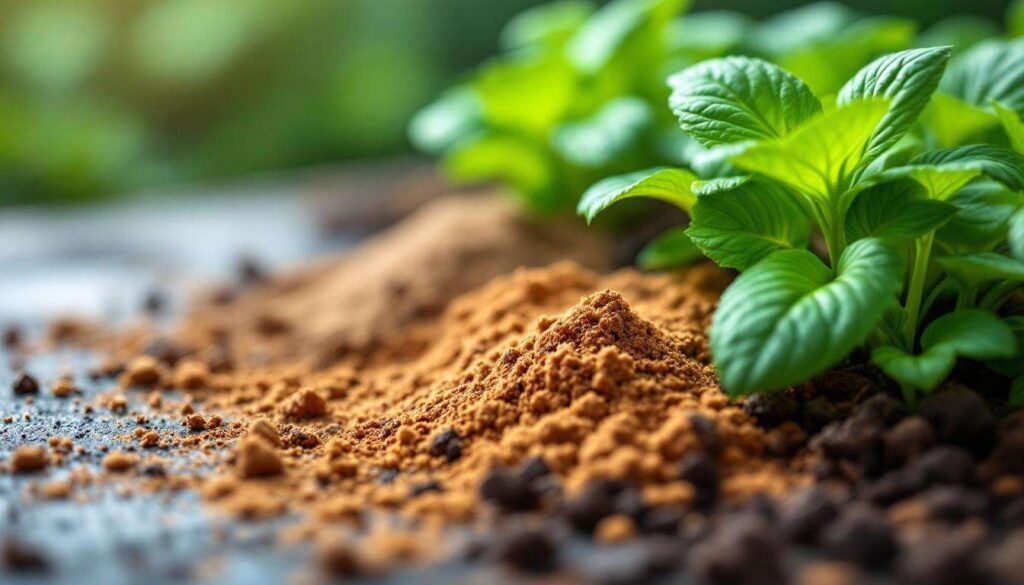
Gardeners across the country have discovered that a common kitchen spice offers remarkable protection against one of the most persistent problems in plant cultivation. Soil mould, which threatens seedlings and established plants alike, can be controlled effectively without resorting to expensive commercial fungicides. This humble spice, found in virtually every household, provides a simple yet powerful solution that has transformed how many approach plant care and disease prevention.
Why cinnamon is effective against soil mould
The antifungal compounds in cinnamon
Cinnamon contains cinnamaldehyde, a natural compound that disrupts fungal cell membranes and inhibits their growth. This organic substance targets a broad spectrum of fungi without harming beneficial soil microorganisms. Research has demonstrated that cinnamon’s active components interfere with fungal reproduction, preventing spores from germinating and spreading throughout growing media.
The spice works particularly well against Pythium, Phytophthora, and various species of Fusarium, which commonly cause damping-off disease in seedlings. These pathogens thrive in moist conditions and can devastate entire trays of young plants within days. Cinnamon’s antimicrobial properties create an environment hostile to these organisms whilst remaining completely safe for plants at all growth stages.
Scientific evidence supporting cinnamon’s effectiveness
Laboratory studies have confirmed what gardeners have observed empirically. Tests show that cinnamon extract reduces fungal colony formation by up to 85 per cent in controlled conditions. The following table illustrates cinnamon’s effectiveness against common soil pathogens:
| Fungal pathogen | Reduction in growth | Application method |
|---|---|---|
| Pythium species | 82% | Soil surface dusting |
| Botrytis cinerea | 76% | Direct application |
| Fusarium oxysporum | 79% | Mixed into compost |
These results demonstrate that cinnamon performs comparably to synthetic fungicides in many situations, making it a viable alternative for organic gardening practices.
Understanding why cinnamon works so effectively naturally leads to questions about proper application techniques for different growing situations.
How to use cinnamon in pots and flowerbeds
Application methods for container plants
For potted plants, lightly dust the soil surface with ground cinnamon, using approximately half a teaspoon per standard 15-centimetre pot. Focus application around the stem base where damping-off typically begins. Avoid piling cinnamon directly against plant stems, as concentrated amounts may cause minor irritation to tender tissue.
When starting seeds, mix cinnamon into the growing medium before sowing. Use one tablespoon per litre of compost or seed-starting mix. This preventative approach stops fungal problems before they begin, particularly beneficial for susceptible species like tomatoes, peppers, and ornamental flowers.
Treating outdoor beds and borders
Garden beds require different application strategies due to their larger scale. The following methods prove most effective:
- Sprinkle cinnamon along seed drills before covering with soil
- Dust around transplants immediately after planting
- Apply to mulch surfaces in areas prone to fungal growth
- Mix into the top two centimetres of soil when preparing beds
- Reapply after heavy rainfall, which washes away surface treatments
Creating cinnamon solutions for larger areas
For extensive treatment areas, prepare a cinnamon tea solution by steeping four tablespoons of ground cinnamon in one litre of hot water for two hours. Strain thoroughly and dilute with an additional litre of water before applying through a watering can or sprayer. This method distributes the antifungal properties more evenly across large spaces whilst using less product.
Whilst these application techniques are straightforward, certain pitfalls can reduce effectiveness or potentially cause unintended consequences.
Precautions and common mistakes
Dosage errors and over-application
The most frequent mistake involves using excessive amounts of cinnamon. More does not equal better in this case. Over-application can create a hydrophobic layer on soil surfaces, causing water to run off rather than penetrate. This leads to uneven moisture distribution and potential drought stress, even with regular watering.
Recommended maximum dosages include:
- Small pots (under 15cm): quarter teaspoon
- Medium containers (15-30cm): half to one teaspoon
- Large planters (over 30cm): one to two teaspoons
- Garden beds: one tablespoon per square metre
Quality and storage considerations
Not all cinnamon products offer equal effectiveness. Ceylon cinnamon contains higher concentrations of beneficial compounds than cassia cinnamon, though both varieties provide antifungal benefits. Purchase fresh, aromatic cinnamon and store it in airtight containers away from light and moisture. Stale cinnamon loses potency and delivers disappointing results.
Timing and environmental factors
Apply cinnamon during dry conditions when possible. Rain or irrigation immediately after application washes the powder away before it can establish protective effects. Morning application allows the spice to settle and begin working throughout the day. Avoid treating during extremely windy conditions, which scatter the powder beyond target areas.
These practical considerations naturally connect to the broader question of why gardeners increasingly choose this particular solution over alternatives.
The economic and practical benefits of cinnamon
Cost comparison with commercial fungicides
A typical container of commercial fungicide costs between £8 and £15 and treats approximately 20 square metres. In contrast, a 100-gram jar of ground cinnamon costs roughly £2 to £4 and provides sufficient treatment for similar areas when used preventatively. The following comparison illustrates the cost differential:
| Product type | Cost per treatment | Area covered | Annual cost estimate |
|---|---|---|---|
| Synthetic fungicide | £10.50 | 20 sq metres | £42-£63 |
| Ground cinnamon | £3.00 | 20 sq metres | £12-£18 |
Convenience and accessibility
Unlike specialized garden products requiring trips to garden centres, cinnamon is readily available in supermarkets, convenience stores, and online retailers. This accessibility proves invaluable when fungal problems emerge suddenly, requiring immediate intervention. Most households already keep cinnamon in their pantries, making emergency treatments possible without any shopping trips.
Multi-purpose applications
Beyond fungal control, cinnamon serves additional garden functions. It repels ants, deters fungus gnats around houseplants, and can be dusted on pruning cuts to prevent infection. This versatility means a single product addresses multiple garden challenges, further enhancing its economic value.
The financial advantages complement cinnamon’s position as part of a broader movement towards more sustainable gardening practices.
Cinnamon: a natural alternative to garden chemicals
Environmental impact considerations
Synthetic fungicides often contain compounds that persist in soil, potentially affecting beneficial organisms and leaching into groundwater. Cinnamon, being completely biodegradable, breaks down naturally without leaving harmful residues. It poses no threat to earthworms, ground beetles, or other beneficial garden inhabitants that maintain soil health.
The production of cinnamon as a crop also carries a significantly lower environmental footprint compared to chemical manufacturing processes. Cinnamon cultivation supports sustainable agriculture in producing regions, whereas fungicide production requires energy-intensive industrial processes.
Safety for children, pets, and wildlife
Gardens treated with cinnamon present no toxicity concerns for children playing outdoors or pets exploring planted areas. Unlike chemical treatments requiring restricted access periods, cinnamon-treated areas remain immediately safe. Birds, hedgehogs, and beneficial insects continue their activities without exposure to harmful substances.
Organic certification compliance
For gardeners maintaining organic growing standards, cinnamon qualifies as an approved treatment. It aligns with organic principles whilst delivering effective disease control. This makes it particularly valuable for those growing vegetables and herbs for consumption, where chemical residues raise legitimate health concerns.
Beyond simply replacing chemicals, cinnamon offers additional advantages that actively promote plant vitality.
Cinnamon for plant protection and growth stimulation
Rooting hormone properties
Cinnamon acts as a natural rooting stimulant when applied to cutting bases before planting. The antifungal properties prevent rot whilst compounds in the spice encourage root cell development. Dip moistened cutting ends in cinnamon powder before inserting them into propagation media for improved success rates with difficult-to-root species.
Seed treatment benefits
Coating seeds with cinnamon before sowing protects them during the vulnerable germination phase. This technique proves especially valuable for:
- Large seeds prone to rot in cold, wet soil
- Expensive or rare seeds warranting extra protection
- Early sowings in unpredictable spring conditions
- Seeds saved from previous seasons that may carry fungal spores
Wound protection for pruned plants
After pruning or accidental damage, apply cinnamon to exposed plant tissue. The antimicrobial properties create a protective barrier that prevents pathogen entry whilst the plant forms natural callus tissue. This application proves particularly beneficial for roses, fruit trees, and woody perennials susceptible to fungal infections through wounds.
Cinnamon represents far more than a simple mould remedy. Its antifungal properties, demonstrated through both scientific research and practical gardening experience, provide reliable protection against soil-borne diseases that threaten plant health. The spice’s affordability and accessibility make it an inclusive solution available to all gardeners regardless of budget constraints. Application methods adapt easily to different scales, from individual houseplants to extensive vegetable plots. Environmental benefits and safety characteristics align with growing awareness about sustainable gardening practices. Beyond disease prevention, cinnamon actively supports plant propagation and recovery from damage. This combination of attributes explains why increasing numbers of gardeners trust this kitchen staple as an essential component of their plant care routines, proving that effective solutions need not be complicated or expensive.