


Many gardeners overlook the potential hiding in their fruit bowls, yet banana peels represent one of nature’s most accessible soil amendments. Rich in potassium, phosphorus and calcium, these kitchen scraps can transform tired garden beds into thriving ecosystems without relying on synthetic fertilisers. Understanding how to harness their nutritional power requires knowledge of their composition, proper application methods and realistic expectations about what they can achieve.
Why banana peels are more than kitchen waste
The nutrient profile that matters
Banana peels contain a remarkable concentration of potassium, typically ranging between 40-50% of their dry weight composition. This macronutrient plays a vital role in regulating water movement within plant cells, strengthening stems and enhancing disease resistance. Beyond potassium, the peels provide phosphorus for root development and calcium for cell wall integrity, creating a balanced nutritional package that synthetic fertilisers often struggle to replicate.
- Potassium: supports flower and fruit production
- Phosphorus: encourages robust root systems
- Calcium: strengthens plant structure
- Magnesium: aids chlorophyll production
- Sulphur: contributes to protein synthesis
Environmental advantages over commercial products
The ecological benefits extend beyond nutrient content. Banana peels reduce landfill waste whilst eliminating the carbon footprint associated with manufacturing and transporting commercial fertilisers. Their organic matter improves soil structure, enhancing water retention in sandy soils and drainage in clay-heavy beds. As they decompose, they feed beneficial microorganisms that create a living soil ecosystem, fostering long-term garden health rather than providing quick nutritional fixes.
Understanding which plants respond best to banana peel amendments helps gardeners maximise their composting efforts.
The plants that benefit most from banana peels
Flowering and fruiting varieties
Plants that produce flowers and fruits demonstrate the most dramatic response to banana peel applications. Tomatoes, peppers and aubergines thrive with the additional potassium, which directly influences fruit size and flavour development. Roses benefit significantly, producing more abundant blooms with enhanced colour intensity when banana peels are incorporated into their feeding regime.
| Plant Type | Primary Benefit | Application Frequency |
|---|---|---|
| Tomatoes | Increased fruit production | Every 2-3 weeks |
| Roses | Enhanced bloom quality | Monthly during growing season |
| Peppers | Improved flavour development | Every 3 weeks |
| Strawberries | Sweeter fruit | Bi-weekly |
Plants with lower potassium requirements
Leafy greens such as lettuce, spinach and kale require higher nitrogen ratios than banana peels provide. Whilst not harmful, banana peels offer limited benefits to these crops compared to nitrogen-rich amendments like grass clippings or composted manure. Root vegetables like carrots and parsnips similarly show modest responses, as their growth priorities differ from potassium-dependent flowering plants.
Even with the right plants, improper application methods can negate the benefits banana peels offer.
The common mistake gardeners make with banana peels
Surface placement misconceptions
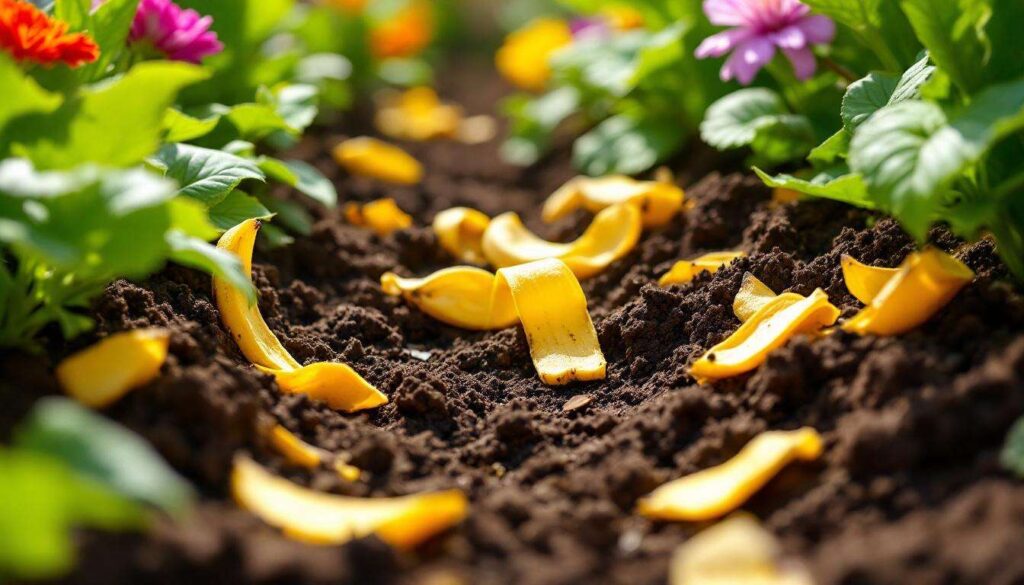
The most prevalent error involves laying whole banana peels directly onto soil surfaces. Without adequate moisture, microbial activity and contact with soil organisms, peels can take months to decompose, potentially attracting pests whilst offering minimal nutritional benefit. Whole peels create a barrier that prevents proper breakdown, leaving nutrients locked within the peel structure rather than available to plant roots.
Timing and preparation oversights
Many gardeners add banana peels immediately before planting, expecting instant nutrient availability. The decomposition process requires several weeks under optimal conditions, meaning plants may experience nutrient deficiencies during critical early growth stages. Failing to chop or prepare peels adequately slows breakdown significantly, reducing their effectiveness as a soil amendment.
- Whole peels decompose too slowly for immediate benefit
- Surface application invites pest problems
- Insufficient preparation delays nutrient release
- Timing mismatches with plant growth cycles
Recognising where banana peels deliver genuine value helps gardeners allocate resources effectively.
Where banana peels really make a difference
Composting systems and vermicomposting
Banana peels excel within established compost heaps, where diverse organic materials and active microbial populations accelerate decomposition. Chopped into small pieces, they break down within 2-4 weeks in warm, moist conditions. Vermicomposting systems benefit particularly, as worms consume banana peels readily, converting them into nutrient-dense castings that plants absorb efficiently.
Container gardening applications
Potted plants respond exceptionally well to banana peel tea, which delivers nutrients in liquid form without altering soil structure. Container environments limit natural nutrient replenishment, making supplemental feeding essential. The controlled environment allows gardeners to monitor results precisely, adjusting application rates based on plant response.
| Application Method | Decomposition Time | Best Use Case |
|---|---|---|
| Whole peels buried | 8-12 weeks | Long-term soil building |
| Chopped peels mixed | 3-5 weeks | Pre-season preparation |
| Banana peel tea | Immediate | Quick nutrient boost |
| Dehydrated powder | 1-2 weeks | Concentrated amendment |
Practical application methods determine whether banana peels deliver their promised benefits.
How to apply banana peels step by step
Direct burial method
For established garden beds, chop banana peels into 2-3 cm pieces and bury them 10-15 cm below the soil surface, away from plant stems to prevent rot issues. This method works best when applied 4-6 weeks before planting, allowing decomposition to progress sufficiently. Space buried peels at least 20 cm apart to ensure even nutrient distribution throughout the growing area.
Creating banana peel fertiliser tea
Fill a container with chopped banana peels and water at a 1:5 ratio, allowing the mixture to steep for 3-5 days. Strain the liquid and dilute it further with equal parts water before applying directly to soil around plant bases. This method provides immediate potassium availability whilst avoiding decomposition delays.
- Chop peels into small pieces for faster breakdown
- Bury at appropriate depths to prevent pest attraction
- Allow adequate time for decomposition before planting
- Dilute liquid preparations to prevent nutrient burn
- Apply during active growing periods for best results
Dehydration and powder creation
Dehydrating banana peels in a low-temperature oven or food dehydrator creates a concentrated soil amendment that stores indefinitely. Once completely dry, grind the peels into powder using a blender or food processor. This powder can be mixed directly into potting soil or sprinkled around established plants, where moisture reactivates the nutrients.
Understanding limitations prevents disappointment and helps gardeners create balanced feeding programmes.
Limits, risks and smart combinations with banana peels
Nutritional gaps and balance requirements
Banana peels provide insufficient nitrogen for complete plant nutrition, requiring supplementation with nitrogen-rich materials like grass clippings, coffee grounds or composted manure. Over-reliance on banana peels can create nutrient imbalances, particularly in heavy-feeding crops that demand diverse mineral profiles. Combining banana peels with other organic amendments creates more complete nutritional programmes.
Pest attraction and management
Improperly applied banana peels attract fruit flies, slugs and rodents, particularly when left on soil surfaces. Burial depth matters significantly, as shallow placement provides easy access for pests whilst failing to integrate peels into the soil ecosystem. In areas with significant pest pressure, composting banana peels before garden application offers a safer alternative.
- Combine with nitrogen sources for balanced nutrition
- Bury deeply to minimise pest attraction
- Monitor for signs of nutrient imbalance
- Consider composting in high-pest areas
- Rotate with other organic amendments
Complementary organic materials
Pairing banana peels with coffee grounds provides nitrogen, whilst crushed eggshells add additional calcium and help moderate soil pH. Seaweed or kelp meal contributes trace minerals absent from banana peels, creating a more comprehensive feeding programme. This combination approach mimics natural ecosystem diversity, supporting broader soil health beyond single-nutrient supplementation.
Banana peels offer genuine benefits for gardeners willing to apply them correctly, though they function best as part of broader organic soil management strategies. Their potassium content supports flowering and fruiting plants effectively, whilst their organic matter contribution improves soil structure over time. Success requires proper preparation, appropriate timing and realistic expectations about their nutritional scope. When integrated thoughtfully with other amendments, banana peels transform from kitchen waste into valuable garden resources that reduce environmental impact whilst nourishing plants naturally.