



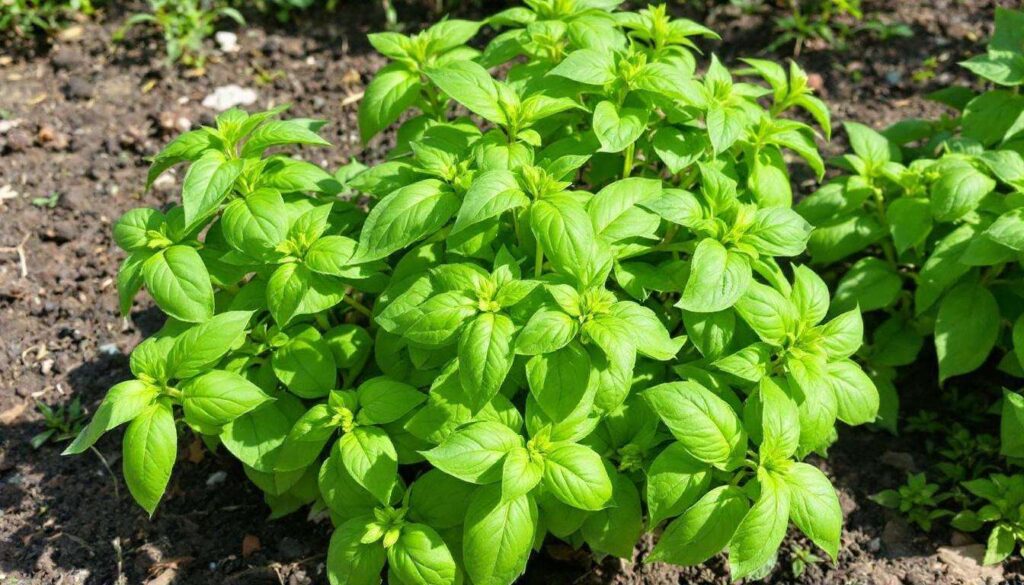
Basil thrives in countless kitchens and gardens across the country, yet many growers overlook a simple technique that can dramatically improve their harvest. Pinching the growing tips of basil plants triggers a remarkable transformation, encouraging the development of multiple side shoots and creating fuller, bushier plants. This method, rooted in plant biology, offers both amateur and experienced gardeners a straightforward way to maximise their basil yield whilst maintaining healthier, more productive plants throughout the growing season.
Why pinching stimulates side shoots
The science of apical dominance
Understanding why pinching works requires examining apical dominance, a fundamental principle in plant growth. The main growing tip of basil produces a hormone called auxin, which suppresses the development of lateral buds along the stem. When the tip remains intact, the plant channels most of its energy into vertical growth, resulting in a tall, spindly specimen with fewer branches. By removing this dominant tip, gardeners effectively break this hormonal control, allowing dormant buds to activate and develop into vigorous side shoots.
Hormonal changes after pinching
The removal of the growing tip triggers several hormonal shifts within the basil plant:
- Auxin levels decrease significantly at the pinch site
- Cytokinin concentrations increase in lateral buds
- Dormant nodes receive signals to begin active growth
- Energy distribution shifts from vertical to lateral development
These changes typically result in two to four new shoots emerging from the nodes below the pinch point within seven to fourteen days. Each new shoot then becomes a growing point capable of producing additional leaves and branches, creating an exponential increase in foliage density.
This biological response explains why regular pinching creates such dramatic improvements in plant structure, setting the foundation for practical application of the technique.
How and when to pinch basil for best results
Optimal timing for first pinching
The initial pinch represents a crucial moment in basil cultivation. Most varieties benefit from pinching when they reach fifteen to twenty centimetres in height and have developed six to eight true leaves. At this stage, the plant has established sufficient root structure to support multiple growing points whilst remaining young enough to respond vigorously to the intervention.
Proper pinching technique
Executing the pinch correctly ensures maximum benefit with minimal stress to the plant. Gardeners should identify a node with healthy leaves, then remove the stem five to ten millimetres above this point. The cut should be clean and decisive, either using sharp scissors or simply pinching between thumb and forefinger.
| Plant stage | Action required | Expected outcome |
|---|---|---|
| 6-8 leaves | First pinch above second node | 2-4 side shoots in 7-14 days |
| Every 2-3 weeks | Subsequent pinching of new growth | Exponential branching |
| Flower buds appear | Immediate removal | Extended vegetative growth |
Frequency and maintenance schedule
Regular pinching maintains compact, productive growth throughout the season. After the initial intervention, gardeners should monitor new shoots and pinch them once they develop four to six leaves. This cycle typically occurs every two to three weeks during active growth periods, creating progressively bushier plants with dozens of growing tips.
Whilst technique matters, avoiding common errors proves equally important for achieving optimal results.
Common mistakes and how to avoid them
Pinching too late or too infrequently
Many growers delay their first pinch, allowing basil to become leggy and weak. Once plants exceed thirty centimetres without intervention, they often struggle to develop the compact structure that regular pinching produces. Similarly, failing to maintain a consistent pinching schedule allows individual stems to dominate, undermining the bushiness achieved through earlier efforts.
Removing too much material at once
Overzealous pruning can shock basil plants, particularly younger specimens. Removing more than one-third of the plant’s total foliage in a single session stresses the root system and slows recovery. Instead, gardeners should take a measured approach:
- Focus on growing tips rather than established stems
- Leave adequate foliage for photosynthesis
- Spread major pruning across multiple sessions
- Allow recovery time between interventions
Using contaminated tools
Dirty scissors or hands can introduce pathogens that cause fusarium wilt or bacterial infections. Wiping blades with rubbing alcohol between plants and washing hands before pinching prevents disease transmission, particularly important when working with multiple specimens.
These practical considerations lead naturally to exploring the tangible benefits that bushier basil provides in everyday use.
From kitchen to windowsill transformation: practical uses of bushier basil
Enhanced culinary applications
Fuller basil plants yield substantially more leaves for cooking, with properly pinched specimens producing three to five times the harvest of unpruned counterparts. This abundance supports regular use in pesto, salads, and sauces without depleting the plant. Additionally, younger leaves from actively growing tips contain higher concentrations of essential oils, delivering more intense flavour and aroma.
Aesthetic improvements for indoor growing
Compact, bushy basil plants suit windowsill cultivation far better than tall, sparse specimens. Their dense foliage creates attractive displays whilst fitting comfortably in limited spaces. The symmetrical branching pattern resulting from systematic pinching produces visually appealing plants that enhance kitchen décor alongside their practical function.
Understanding when to intervene ensures these benefits continue throughout the growing cycle.
When to prune or trim basil ?
Seasonal considerations
Outdoor basil responds best to pinching during active growth periods when temperatures remain consistently above fifteen degrees Celsius. Indoor plants grown under controlled conditions can tolerate year-round pinching, though growth rates slow during winter months with reduced light levels.
Signs that pruning is needed
Several indicators suggest basil requires attention. Flower buds demand immediate removal to prevent the plant from shifting energy towards seed production. Stems exceeding twenty centimetres without branching benefit from pinching, as do any sections showing leggy growth with widely spaced leaves.
These interventions raise important questions about the plant’s capacity for renewal.
Does basil grow back after pruning ?
Regenerative capacity of basil
Basil demonstrates remarkable resilience following proper pruning. Healthy plants typically produce new growth from pinched stems within five to seven days, with visible shoots appearing shortly thereafter. This regenerative ability allows for repeated harvesting throughout the season without compromising plant vigour.
Factors affecting regrowth
Several conditions influence recovery speed and success:
- Adequate water supply maintains turgor pressure in developing shoots
- Sufficient nitrogen supports rapid leaf production
- Temperatures between eighteen and twenty-seven degrees Celsius optimise growth rates
- Six to eight hours of direct sunlight provide energy for regeneration
Plants receiving proper care continue producing new growth from pruned areas for months, with each intervention strengthening the overall structure and productivity.
The pinching technique transforms basil cultivation from a simple exercise into a systematic approach that maximises yield and quality. By understanding the biological mechanisms behind side shoot development and applying proper timing and technique, gardeners achieve substantially fuller plants with enhanced flavour profiles. Avoiding common mistakes whilst maintaining appropriate growing conditions ensures basil remains productive throughout its lifecycle, providing abundant harvests for culinary use. Whether grown indoors on a sunny windowsill or outdoors in garden beds, regularly pinched basil plants reward minimal effort with exceptional results that elevate both cooking and growing experiences.