



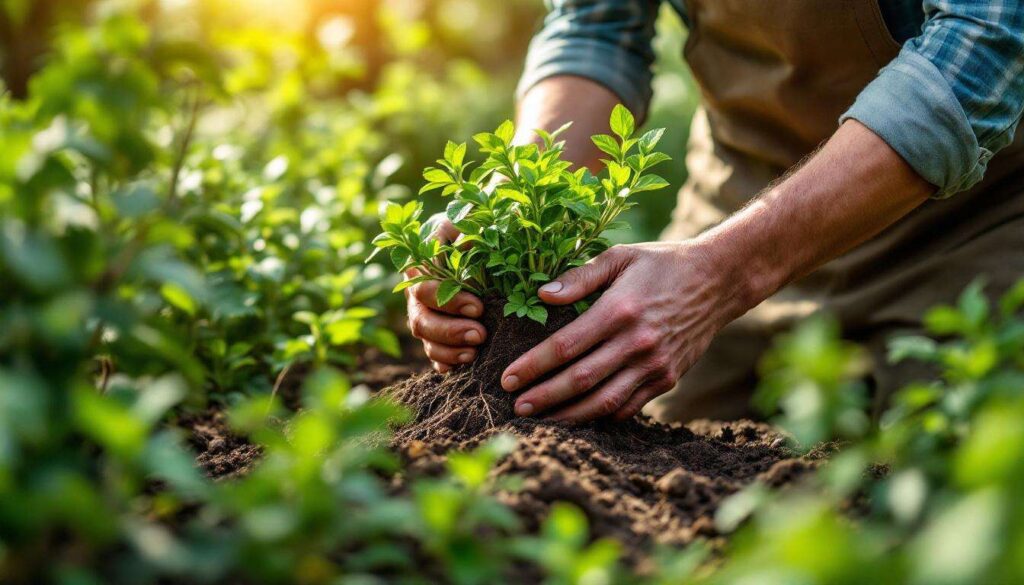
Bare-root hedges represent an economical and effective way to establish boundaries, create privacy screens, and support local wildlife in gardens across Britain. These plants, lifted from nursery fields during their dormant season, offer gardeners a traditional yet highly successful planting method that has stood the test of time. Understanding the proper techniques for handling and establishing these hedges ensures vigorous growth and long-term success in your outdoor space.
What is a bare-root hedge ?
Understanding bare-root plants
A bare-root hedge consists of plants that have been grown in open ground at specialist nurseries and lifted during their dormant period, typically between November and March. Unlike container-grown specimens, these plants arrive with no soil around their roots, which are instead wrapped in damp material or plastic to maintain moisture during transit. This traditional method of plant production has been used for centuries and remains popular due to its effectiveness and affordability.
Species suitable for bare-root planting
The range of hedging plants available as bare-root specimens includes:
- deciduous native species such as hawthorn, blackthorn, and field maple
- mixed hedgerow plants including dogwood, hazel, and spindle
- beech and hornbeam for formal hedging
- fruit-bearing species like crab apple and wild cherry
Evergreen species cannot be sold as bare-root plants because they continue growing throughout winter and would suffer severe stress without soil protection. These must be purchased as container-grown or root-balled specimens instead.
Benefits compared to container-grown alternatives
| Aspect | Bare-root hedges | Container-grown hedges |
|---|---|---|
| Cost | Significantly cheaper | More expensive |
| Establishment rate | Faster root development | Slower adaptation |
| Transplant shock | Minimal | More susceptible |
| Availability | Winter only | Year-round |
The reduced cost makes bare-root hedging particularly attractive for longer runs, where purchasing container-grown plants would prove prohibitively expensive. Having established what bare-root hedges are, timing becomes the next crucial consideration for successful establishment.
When to plant bare-root hedges ?
The optimal planting window
The ideal period for planting bare-root hedges extends from November through to March, with the exact timing depending on weather conditions and soil state. During these months, deciduous plants enter dormancy, ceasing active growth and allowing them to tolerate root disturbance. This dormant phase enables plants to focus energy on establishing roots rather than supporting leaf growth.
Weather and soil considerations
Successful planting requires attention to specific conditions:
- avoid planting when soil is frozen, waterlogged, or snow-covered
- choose mild, overcast days rather than periods of harsh frost
- ensure soil is workable and crumbles easily when handled
- postpone planting during prolonged wet spells that create muddy conditions
If plants arrive during unsuitable weather, they can be temporarily heeled in by placing roots in a shallow trench covered with soil, keeping them viable for several weeks until conditions improve.
Regional variations in planting times
Gardeners in northern regions may find that planting in early spring proves more successful than autumn planting, as harsh winter conditions can damage newly planted specimens. Conversely, those in milder southern areas often achieve better results with November or December planting, allowing maximum time for root establishment before spring growth begins. Understanding when to plant naturally leads to considering how plants should be prepared before going into the ground.
How to prepare your hedge for planting ?
Initial inspection and root treatment
Upon receiving bare-root plants, immediate inspection is essential. Unwrap the plants and examine roots for damage, removing any broken or diseased portions with clean, sharp secateurs. Healthy roots should appear firm and pale, not soft or blackened. Soak the entire root system in water for two to four hours before planting, allowing roots to rehydrate fully after transit.
Site preparation requirements
Thorough ground preparation significantly improves establishment success:
- clear the planting area of weeds, grass, and debris along the entire hedge line
- dig over the soil to a depth of at least 30 centimetres, breaking up compacted areas
- incorporate well-rotted organic matter such as compost or aged manure
- remove large stones and roots that could impede new root growth
- create a planting strip at least 60 centimetres wide for single rows
Spacing calculations
Proper spacing ensures plants have adequate room to develop whilst creating effective coverage:
| Hedge type | Plants per metre | Spacing distance |
|---|---|---|
| Single row native mix | 3-5 plants | 30-40 centimetres |
| Double staggered row | 5-7 plants | 40-50 centimetres |
| Formal beech/hornbeam | 3-4 plants | 40-45 centimetres |
Marking out planting positions with canes or string before digging ensures even spacing and straight lines. With plants prepared and ground ready, the actual planting technique requires careful attention to detail.
Planting technique for bare-root hedges
Creating proper planting holes
For each plant, dig a hole sufficiently wide and deep to accommodate roots without cramping or bending. The hole should allow roots to spread naturally in all directions. As a general rule, holes should be twice the width of the root spread and deep enough that the soil mark on the stem sits level with the surrounding ground.
Step-by-step planting process
Follow this systematic approach for each plant:
- place the plant in the hole, spreading roots evenly across the base
- check that the previous soil level on the stem aligns with ground level
- backfill gradually with excavated soil, working it between roots
- firm the soil gently with your heel at intervals to eliminate air pockets
- avoid compacting soil excessively, which restricts root penetration
- create a shallow watering basin around each plant
- water thoroughly, applying at least five litres per plant
Additional support and protection
Mulching proves invaluable for moisture retention and weed suppression. Apply a layer of organic mulch such as wood chips or bark to a depth of 5-7 centimetres around plants, keeping material clear of stems to prevent rot. In exposed locations, temporary windbreak netting provides protection whilst plants establish. For areas with rabbit or deer pressure, protective guards or fencing become essential to prevent browsing damage that can kill young plants. Proper planting sets the foundation, but ongoing care determines ultimate success.
Maintenance of bare-root hedges
Watering requirements during establishment
Newly planted bare-root hedges require consistent moisture throughout their first growing season. During dry spells in spring and summer, water deeply once or twice weekly rather than applying frequent shallow irrigation. Each plant needs approximately 10-15 litres per watering session, ensuring moisture penetrates to root depth rather than simply wetting the surface.
Formative pruning strategy
Correct pruning in early years establishes dense, well-structured hedges:
- cut back newly planted deciduous hedges by one-third to one-half immediately after planting
- this severe pruning encourages bushy growth from the base
- trim sides lightly in the second summer, maintaining an A-shape profile
- reduce height by one-third again in the second winter
- continue shaping annually until desired height is achieved
Feeding and weed control
Apply a balanced general-purpose fertiliser each spring, scattering granules around the base of plants according to manufacturer instructions. Maintain weed-free ground within 50 centimetres of plants for the first three years, as competing vegetation significantly slows establishment. Regular mulch replenishment assists with both weed suppression and nutrient provision as organic material decomposes. Even with proper maintenance, certain issues may arise requiring specific solutions.
Solving common problems of bare-root hedges
Addressing poor establishment
When plants fail to produce new growth or appear stressed, several factors may be responsible. Insufficient watering remains the most common cause, particularly during the critical first spring. Root desiccation before planting can also result in poor establishment, highlighting the importance of keeping roots moist from delivery until planting. If plants show no signs of growth by late spring, carefully excavate one specimen to check root condition.
Managing pest and disease issues
| Problem | Symptoms | Solution |
|---|---|---|
| Aphid infestation | Distorted new growth, sticky residue | Encourage natural predators, wash off with water |
| Powdery mildew | White fungal coating on leaves | Improve air circulation, avoid overhead watering |
| Rabbit damage | Stripped bark, severed stems | Install protective guards or fencing |
Dealing with gaps and failures
Individual plant losses occur occasionally despite best efforts. Replace failed specimens during the following planting season rather than attempting summer planting, which rarely succeeds. Purchase replacement plants of similar size to existing hedge members to maintain uniformity. For persistent gaps in established hedges, layering adjacent stems or planting container-grown specimens provides solutions outside the bare-root season.
Establishing bare-root hedges requires attention to timing, proper preparation, and consistent aftercare, but rewards gardeners with robust, cost-effective boundaries that support biodiversity. The dormant season planting window from November to March offers ideal conditions for these traditionally grown plants to develop strong root systems before spring growth begins. Careful site preparation, correct planting depth, and adequate spacing create the foundation for success, whilst regular watering and formative pruning during establishment years ensure dense, healthy growth. By following these proven techniques and addressing problems promptly, gardeners can create thriving hedges that provide structure, privacy, and wildlife habitat for decades to come.