



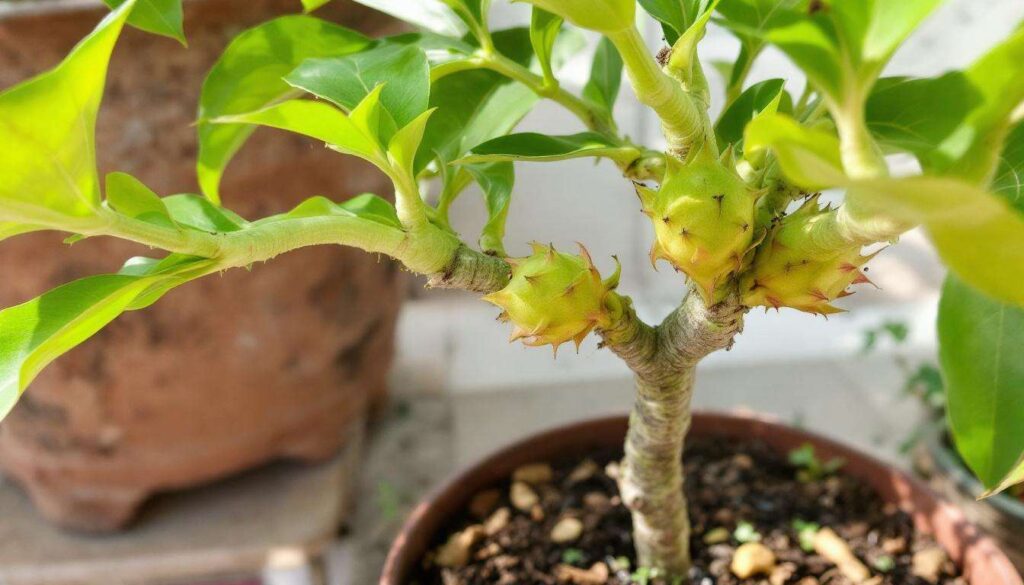
Growing exotic fruits at home has become increasingly accessible to urban gardeners and balcony enthusiasts. Dragon fruit, with its striking appearance and remarkable health benefits, stands out as an excellent candidate for container cultivation. This vibrant tropical cactus thrives in confined spaces, making it perfect for those who lack traditional garden plots. From selecting the right stem cutting to harvesting your first fruit, this comprehensive guide will walk you through every essential step of cultivating dragon fruit in containers, ensuring success even for beginners.
Understanding dragon fruit
What is dragon fruit ?
Dragon fruit, scientifically known as pitaya, belongs to the cactus family and originates from Central and South America. This climbing cactus produces spectacular nocturnal blooms that eventually develop into the distinctive oval-shaped fruits. The plant features triangular stems with small spines along the edges, and its flowers are among the largest in the cactus world, often measuring up to 30 centimetres in diameter. Despite its tropical origins, dragon fruit demonstrates remarkable adaptability to various climates when provided with proper care.
Popular varieties for container growing
Three primary varieties dominate home cultivation, each offering distinct characteristics:
- Hylocereus undatus: features pink skin with white flesh and mild sweetness, representing the most common commercial variety
- Hylocereus costaricensis: displays pink-red skin with deep red flesh, delivering intense sweetness and higher antioxidant content
- Hylocereus megalanthus: presents yellow skin with white flesh, offering exceptional sweetness in a smaller fruit size
Health benefits and nutritional value
Dragon fruit provides exceptional nutritional benefits that justify its growing popularity. The fruit contains high levels of vitamin C, supporting immune function and skin health. Its rich antioxidant content, particularly betalains in red-fleshed varieties, helps combat oxidative stress. Additionally, dragon fruit offers substantial dietary fibre, promoting digestive health whilst remaining low in calories. The presence of iron, magnesium, and beneficial plant compounds makes this fruit a valuable addition to any diet.
Understanding these fundamental aspects of dragon fruit establishes the foundation for successful container cultivation, leading naturally to the practical considerations of selecting appropriate growing vessels.
Choosing the right container
Size specifications
Container size directly impacts dragon fruit growth and productivity. A minimum pot diameter of 40-50 centimetres provides adequate space for root development during the first year. As the plant matures, transplanting into containers measuring 60-75 centimetres in diameter becomes necessary to support optimal growth. Depth matters equally, with containers requiring at least 30-40 centimetres to accommodate the extensive root system. Shallow containers restrict root expansion, leading to stunted growth and reduced fruit production.
Material considerations
| Material | Advantages | Disadvantages |
|---|---|---|
| Terracotta | Excellent drainage, breathable | Heavy, prone to cracking in frost |
| Plastic | Lightweight, affordable, retains moisture | Less breathable, may overheat |
| Ceramic glazed | Attractive, durable | Expensive, heavy, limited drainage |
| Fabric pots | Superior aeration, prevents root circling | Dries quickly, less stable |
Drainage requirements
Proper drainage represents the most critical factor in container selection. Dragon fruit cacti are extremely susceptible to root rot caused by waterlogged conditions. Containers must feature multiple drainage holes, ideally 5-8 holes measuring 1-2 centimetres in diameter distributed across the base. Elevating containers on pot feet or bricks ensures water flows freely away from the roots. Adding a layer of gravel or broken pottery shards at the bottom further enhances drainage whilst preventing soil from blocking the holes.
Once you have selected an appropriately sized container with excellent drainage capabilities, attention must turn to creating the ideal growing medium.
Soil requirements for dragon fruit
Ideal soil composition
Dragon fruit thrives in well-draining, slightly acidic to neutral soil with a pH range of 6.0-7.0. A successful container mix combines several components to achieve optimal drainage whilst retaining sufficient moisture and nutrients. The recommended blend consists of:
- 40% quality cactus or succulent potting mix
- 30% coarse sand or perlite for drainage
- 20% well-aged compost or worm castings for nutrients
- 10% coconut coir or peat moss for moisture retention
Avoiding common soil mistakes
Many novice growers make critical errors when preparing soil for dragon fruit. Using standard garden soil or heavy potting mixes leads to compaction and poor drainage, creating conditions conducive to root rot. Clay-based soils prove particularly problematic as they retain excessive moisture. Conversely, purely sandy mixtures drain too rapidly, failing to provide adequate moisture and nutrients. The balance between drainage and retention determines success, making proper soil preparation essential rather than optional.
Soil amendments and fertilisation
Enhancing soil fertility supports vigorous growth and fruit production. Incorporating slow-release organic fertiliser at planting provides sustained nutrition. Monthly applications of diluted liquid fertiliser during the growing season (spring through autumn) promote healthy development. A balanced formulation with an NPK ratio of 8-4-12 or similar low-nitrogen blend works well, as excessive nitrogen encourages vegetative growth at the expense of flowering. Adding crushed eggshells supplies calcium, preventing blossom end rot in developing fruits.
With the proper soil mixture prepared, the exciting process of establishing your dragon fruit plant can commence.
Planting your dragon fruit
Selecting quality cuttings
Successful cultivation begins with choosing healthy stem segments. Ideal cuttings measure 30-45 centimetres in length, displaying firm, green tissue without blemishes, discolouration, or soft spots. Obtain cuttings from mature, productive plants to ensure genetic quality. The cutting should include at least two or three segments with visible nodes, as these produce roots and new growth. Avoid thin, etiolated stems or those showing signs of disease, as they struggle to establish successfully.
Preparing cuttings for planting
Proper cutting preparation significantly improves establishment rates. After obtaining your cutting, follow these steps:
- Allow the cut end to dry and callus for 5-7 days in a shaded, well-ventilated location
- This callusing period prevents rot when the cutting contacts moist soil
- Optional: dip the dried end in rooting hormone powder to accelerate root development
- Remove any damaged or diseased portions before planting
Planting technique
Position the callused cutting vertically in the prepared container, inserting approximately 5-8 centimetres into the soil. Firm the soil gently around the base to provide stability whilst avoiding excessive compaction. Initially, the cutting lacks roots and may wobble, so temporary support using bamboo stakes prevents toppling. Water sparingly immediately after planting, moistening the soil without saturating it. Place the container in bright, indirect light for the first two weeks, gradually introducing more direct sunlight as roots develop.
Installing support structures
Dragon fruit’s climbing nature necessitates sturdy support systems. Install a central stake, trellis, or circular cage at planting time to avoid disturbing established roots later. Wooden or metal stakes measuring 150-180 centimetres provide adequate height for mature plants. As the plant grows, secure stems loosely to supports using soft ties, allowing for natural expansion whilst preventing damage from wind or weight of developing fruits.
Following successful planting, ongoing care determines whether your dragon fruit merely survives or truly thrives.
Care and maintenance
Watering requirements
Dragon fruit demonstrates drought tolerance but requires consistent moisture during active growth and fruiting. Water thoroughly when the top 3-5 centimetres of soil feels dry to touch, typically every 7-10 days during warm months. Reduce watering frequency during winter dormancy to every 2-3 weeks. Overwatering represents the primary cause of dragon fruit failure, so erring on the side of underwatering proves safer. Established plants tolerate brief dry periods better than constantly soggy conditions.
Light and temperature needs
Optimal growth requires 6-8 hours of direct sunlight daily. Position containers in south-facing locations for maximum sun exposure. Whilst dragon fruit tolerates partial shade, insufficient light reduces flowering and fruit production significantly. Temperature preferences range between 18-27°C, with plants tolerating brief periods down to 0°C once established. Prolonged exposure below 10°C triggers dormancy and potential damage. In regions with harsh winters, move containers indoors or provide frost protection.
Fertilisation schedule
| Season | Frequency | Type |
|---|---|---|
| Spring | Every 2 weeks | Balanced liquid fertiliser (8-4-12) |
| Summer | Every 2-3 weeks | Low-nitrogen formulation |
| Autumn | Monthly | Reduced strength application |
| Winter | Cease feeding | Dormancy period |
Pruning and training
Regular pruning maintains manageable plant size and encourages productive growth. Remove dead, damaged, or diseased stems promptly. Trim excessive lateral growth to concentrate energy on main productive stems. After fruiting, cut back spent branches to promote new growth for the following season. Training stems along supports creates an organised structure that facilitates air circulation and simplifies harvesting.
Pest and disease management
Container-grown dragon fruit experiences fewer pest problems than ground-planted specimens, but vigilance remains important. Common issues include:
- Mealybugs: white cottony masses on stems, controlled with insecticidal soap or neem oil
- Scale insects: brown bumps on stems, removed manually or treated with horticultural oil
- Spider mites: fine webbing and stippled leaves, managed with regular water spraying or miticides
- Root rot: caused by overwatering, prevented through proper drainage and watering practices
Maintaining plant health through proper care naturally leads to the rewarding experience of harvesting home-grown fruit.
Harvesting your dragon fruit
Time to first harvest
Patience proves essential when growing dragon fruit from cuttings. Most plants begin flowering 12-18 months after planting, with actual fruit production occurring 30-50 days following successful pollination. Container-grown specimens may take slightly longer than ground-planted counterparts to reach maturity. Factors influencing timing include variety selection, growing conditions, fertilisation practices, and overall plant health. Once established, productive plants yield multiple harvests annually, typically producing 4-6 fruiting cycles in optimal conditions.
Recognising ripeness
Determining optimal harvest timing ensures maximum flavour and sweetness. Ripe dragon fruits display several characteristic signs:
- Vibrant, even colour across the entire skin surface
- Slight give when gently squeezed, similar to a ripe avocado
- Wings or scales on the fruit begin to wither and turn brown at the edges
- Fruit detaches easily from the plant with minimal pressure
- Sweet fragrance becomes noticeable near the fruit
Proper harvesting technique
Harvest dragon fruits carefully to avoid damaging the plant or remaining developing fruits. Using clean, sharp secateurs or scissors, cut the fruit stem approximately 2-3 centimetres from the fruit base. Twisting or pulling fruits risks damaging stems and reducing future productivity. Handle harvested fruits gently as the skin bruises easily despite appearing robust. Harvest during cooler morning hours when possible, as fruits contain maximum moisture and flavour at this time.
Post-harvest handling and storage
Freshly harvested dragon fruits reach peak quality immediately but store reasonably well under proper conditions. Unwashed fruits keep at room temperature for 2-3 days or refrigerated for up to two weeks. The flesh oxidises and loses quality once cut, so consume within 24 hours of cutting. Dragon fruits do not continue ripening after harvest, making proper timing crucial. Excess fruit freezes well when peeled and cubed, maintaining quality for several months for use in smoothies or desserts.
Successfully growing dragon fruit in containers transforms outdoor spaces whilst providing delicious, nutritious harvests. This remarkable cactus combines ornamental beauty with practical productivity, rewarding patient gardeners with exotic fruits previously available only through specialty markets. From selecting healthy cuttings through proper container choice, soil preparation, attentive care, and timely harvesting, each step contributes to cultivation success. Whether adorning a sunny balcony or patio, container-grown dragon fruit offers urban gardeners an accessible pathway to tropical fruit production, proving that limited space need not limit horticultural ambitions.