


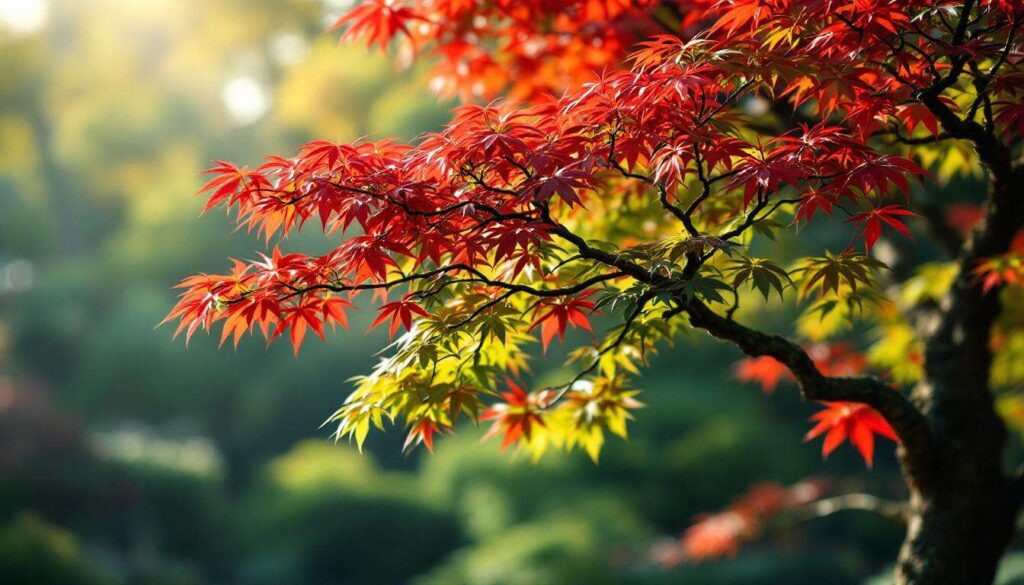
The Japanese maple stands as one of the most elegant ornamental trees in any garden landscape. Its delicate foliage and graceful branching structure have captivated gardeners for centuries, yet many owners overlook a fundamental aspect of care that determines whether their tree thrives or merely survives. Regular pruning represents far more than cosmetic maintenance; it forms the cornerstone of proper Japanese maple cultivation, directly influencing the tree’s health, longevity, and aesthetic appeal.
Why pruning your Japanese maple is essential
Promoting structural integrity and tree health
Pruning serves as preventative medicine for your Japanese maple. Without regular intervention, branches develop in competing patterns that weaken the overall structure. Crossing branches create friction points where bark damage occurs, opening pathways for disease and pest infiltration. Strategic removal of these problematic branches ensures that energy flows efficiently throughout the tree, supporting robust growth rather than wasteful competition between limbs.
The practice also addresses weight distribution concerns. Japanese maples naturally develop multiple leaders and dense branching, which can create structural vulnerabilities during storms or heavy snowfall. Proper pruning establishes a balanced framework that withstands environmental stresses whilst maintaining the tree’s characteristic elegance.
Enhancing air circulation and light penetration
Dense canopies restrict airflow, creating microclimates where humidity accumulates and fungal spores thrive. Pruning opens the interior structure, allowing breezes to circulate freely through the foliage. This natural ventilation system dramatically reduces the likelihood of common afflictions such as:
- Powdery mildew on leaf surfaces
- Verticillium wilt in the vascular system
- Anthracnose affecting new growth
- Root rot from persistently damp conditions
Improved light penetration reaches interior branches that would otherwise remain shaded and unproductive. These inner sections contribute to the tree’s photosynthetic capacity when properly exposed, supporting vigorous growth throughout the entire canopy rather than just the outer periphery.
Understanding these health benefits naturally leads to questions about optimal timing for implementing pruning strategies.
When to prune your Japanese maple for optimal results
Seasonal considerations for pruning success
The calendar dictates pruning effectiveness more than many gardeners realise. Late winter to early spring represents the ideal window for major structural work. During this dormant period, sap flow remains minimal, reducing stress on the tree and preventing excessive bleeding from cut surfaces. The absence of foliage also provides unobstructed visibility of the branch structure, enabling precise decision-making about which limbs require removal.
| Season | Pruning Type | Benefits |
|---|---|---|
| Late winter (February-March) | Major structural pruning | Minimal sap loss, clear branch visibility |
| Summer (June-July) | Light corrective pruning | Controls vigorous growth, shapes development |
| Autumn | Avoid pruning | Prevents winter damage to fresh cuts |
Recognising growth patterns and pruning windows
Japanese maples exhibit distinct growth flushes throughout the growing season. Spring produces the most vigorous expansion, with buds breaking and shoots extending rapidly. Summer growth typically slows, making mid-season an appropriate time for minor adjustments without stimulating excessive regrowth that won’t harden before winter.
Avoid autumn pruning entirely, as fresh wounds lack sufficient time to compartmentalise before freezing temperatures arrive. Winter pruning after severe cold sets in also poses risks, as frozen wood splits unpredictably and cut surfaces may suffer frost damage.
Knowing when to prune proves meaningless without proper equipment in hand.
Necessary tools for effective pruning of your Japanese maple
Essential cutting implements
Quality tools transform pruning from a frustrating chore into a precise craft. Bypass secateurs represent the primary instrument for branches up to 2 centimetres in diameter. Their scissor-like action creates clean cuts that heal rapidly, unlike anvil-style pruners that crush tissue. Invest in models with replaceable blades and comfortable grips to reduce hand fatigue during extended sessions.
For branches between 2 and 6 centimetres thick, long-handled loppers provide the necessary leverage whilst maintaining cut quality. Choose designs with compound action mechanisms that multiply your cutting force, making thick branches manageable without excessive physical strain.
Specialised equipment for larger work
Pruning saws become indispensable for substantial branches exceeding lopper capacity. Curved pruning saws with aggressive tooth patterns cut efficiently on the pull stroke, reducing effort and improving control. Folding models offer safety during transport and storage.
- Disinfectant solution (10% bleach or methylated spirits)
- Sharpening stone or file for blade maintenance
- Protective gloves to prevent blisters and cuts
- Safety glasses to shield eyes from debris
Maintaining sharp, clean tools prevents the spread of pathogens between cuts and ensures each incision heals promptly. Sterilise blades between trees and after removing diseased material.
Proper equipment enables effective execution once problematic branches are identified.
How to identify dead or diseased branches on your Japanese maple
Visual indicators of branch decline
Dead wood displays unmistakable characteristics once you learn to recognise them. Bark appears dull and lifeless, often peeling away from the underlying wood in papery sheets. Scratch the surface gently with your thumbnail; living tissue reveals green cambium beneath the bark, whilst dead sections show only brown, dry wood.
Diseased branches exhibit different symptoms depending on the pathogen involved. Cankers appear as sunken, discoloured areas where bark has died back. Verticillium wilt causes sudden wilting of entire sections, with leaves remaining attached but turning brown. Coral spot fungus produces distinctive pink pustules on dead wood.
Assessing branch vitality and growth patterns
Beyond obvious death or disease, some branches warrant removal due to poor performance. Weak growth, characterised by thin twigs with widely spaced buds, indicates insufficient vigour. These branches consume resources without contributing meaningfully to the tree’s structure or appearance.
Water sprouts and suckers represent another category requiring attention. These vigorous vertical shoots arise from latent buds on trunks or main branches, disrupting the tree’s natural form whilst draining energy from desirable growth. Remove them promptly at their point of origin.
Identifying problematic branches sets the stage for sculpting the tree’s overall form.
Mastering the art of shaping your Japanese maple’s canopy
Establishing a balanced framework
Shaping begins with understanding your tree’s natural growth habit. Some cultivars develop upright forms whilst others spread horizontally. Work with these inherent tendencies rather than against them. Step back frequently during pruning to assess the overall silhouette from multiple angles, ensuring balanced proportions.
Remove branches that grow inward towards the trunk centre, as these create congestion without enhancing the visual composition. Similarly, eliminate branches that cross or run parallel at close proximity, selecting the better-positioned specimen and removing its competitor.
Creating depth and layering
Exceptional Japanese maple specimens display distinct horizontal layers that create visual depth. Achieve this effect by selectively shortening branches that extend beyond the desired canopy outline, cutting back to outward-facing buds that will redirect growth. This technique maintains fullness whilst controlling size and enhancing the tree’s three-dimensional quality.
Thin the canopy interior judiciously, removing approximately one-quarter of small branches to allow light penetration without creating a sparse appearance. This selective thinning preserves the tree’s natural density whilst improving health and encouraging compact growth.
Successful pruning extends beyond the cutting itself to encompass ongoing care.
Tips for maintaining your Japanese maple post-pruning
Supporting recovery and new growth
Freshly pruned trees require attentive aftercare to maximise the benefits of your work. Apply a balanced, slow-release fertiliser in early spring to support vigorous regrowth, but avoid excessive nitrogen that promotes weak, leggy shoots. Water consistently during dry periods, as pruning temporarily reduces the tree’s ability to absorb moisture through decreased leaf surface area.
Monitor new growth throughout the season, pinching back shoots that emerge in undesirable locations before they develop woody tissue. This ongoing refinement maintains the shape you’ve established without requiring major corrective pruning.
Long-term maintenance strategies
Establish an annual pruning routine rather than allowing problems to accumulate. Regular light pruning proves far less stressful for the tree than infrequent severe cutting. Photograph your tree from consistent positions each year to track its development and identify emerging structural issues before they become serious.
- Document pruning dates and techniques used
- Record weather conditions and tree response
- Note any pest or disease observations
- Track growth rates and vigour changes
This systematic approach transforms pruning from an intimidating task into a rewarding practice that deepens your connection with your tree whilst ensuring its continued health and beauty.
Proper pruning represents an investment in your Japanese maple’s future, safeguarding its structural integrity whilst enhancing its ornamental qualities. The techniques outlined here provide a foundation for developing the skills necessary to maintain these exceptional trees. Through regular attention, appropriate timing, and thoughtful execution, your Japanese maple will reward you with decades of stunning seasonal displays and enduring garden presence.