


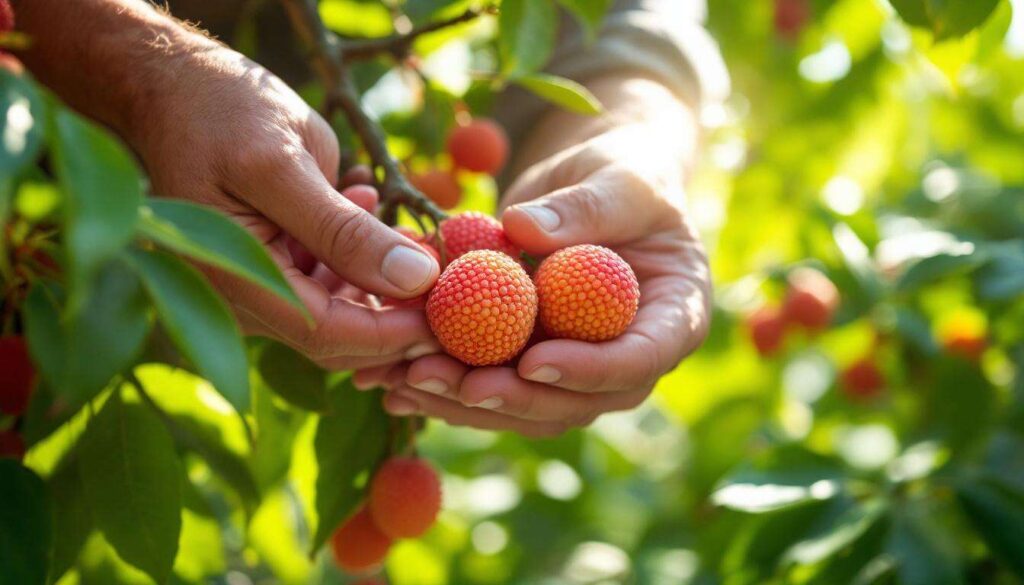
Lychee trees represent one of the most rewarding tropical fruit crops for both commercial growers and home gardeners. These evergreen trees produce clusters of aromatic, translucent-fleshed fruits that command premium prices in markets worldwide. Successfully cultivating lychee plants requires understanding advanced propagation methods, particularly grafting and air layering, which ensure genetic consistency and accelerate fruit production compared to seed-grown specimens.
Introduction to Lychee Growing Techniques
Propagating lychee trees through vegetative methods offers significant advantages over traditional seed propagation. Whilst seeds can produce viable trees, they often require seven to ten years before bearing fruit and may not retain the desirable characteristics of the parent plant. Professional growers and experienced horticulturists therefore rely on two primary techniques to establish productive orchards.
Understanding Vegetative Propagation
Vegetative propagation creates genetically identical clones of superior parent trees. This approach guarantees that new plants will exhibit the same fruit quality, flavour profile, and growth characteristics as the original specimen. The two most effective methods for lychee include:
- Grafting, which joins a scion from a desired variety onto compatible rootstock
- Air layering, which encourages root formation on attached branches before separation
- Budding, occasionally used but less common for lychee cultivation
- Cutting propagation, which proves challenging with lychee and yields inconsistent results
Climate and Site Requirements
Before attempting propagation, growers must ensure their location provides suitable conditions. Lychee trees demand specific environmental parameters for optimal development:
| Parameter | Requirement |
|---|---|
| Temperature range | 20-35°C during growing season |
| Chilling period | 100-200 hours below 20°C for flowering |
| Annual rainfall | 1,250-1,750mm, well-distributed |
| Soil pH | 5.5-7.0, slightly acidic preferred |
| Sunlight exposure | Full sun, minimum 6 hours daily |
Understanding these fundamental requirements prepares growers to select appropriate propagation methods that complement their specific growing conditions.
The Benefits of Grafting for Lychee
Grafting stands as the preferred commercial propagation method for lychee cultivation worldwide. This technique offers unparalleled control over tree characteristics whilst reducing the time required to establish productive orchards.
Advantages of Grafted Lychee Trees
Grafted specimens deliver numerous benefits that justify the additional skill and effort required:
- Fruit production commences within three to five years, compared to seven to ten for seedlings
- Guaranteed replication of superior fruit quality and size
- Controlled tree vigour through rootstock selection
- Enhanced disease resistance when appropriate rootstock is chosen
- Uniform orchard characteristics simplifying management practices
Selecting Rootstock and Scion Material
Success in grafting depends heavily on choosing compatible and healthy plant material. The rootstock should originate from vigorous seedlings aged twelve to eighteen months, with stem diameter approximating pencil thickness. Scion wood must come from mature, productive trees exhibiting desired characteristics, collected from semi-hardwood shoots during the dormant season.
Grafting Methods for Lychee
Several grafting techniques prove effective with lychee, though some yield higher success rates:
| Method | Success Rate | Best Season |
|---|---|---|
| Approach grafting | 85-95% | Spring-early summer |
| Wedge grafting | 70-80% | Late winter-spring |
| Cleft grafting | 65-75% | Spring |
Approach grafting delivers the highest success rates because both rootstock and scion maintain their own root systems until union formation completes. This method requires positioning a potted rootstock beside the parent tree, creating matching cuts on both stems, then binding them together until fusion occurs over six to eight weeks.
These grafting advantages naturally lead to consideration of alternative propagation methods that offer different benefits for specific situations.
Air Layering: an Effective Method for Lychee
Air layering provides an accessible propagation technique for gardeners seeking to clone mature lychee trees without extensive grafting expertise. This method produces rooted plants whilst the branch remains attached to the parent tree, ensuring continuous nutrient supply during root development.
The Air Layering Process
Executing successful air layering requires careful attention to technique and timing. Select branches approximately one to two centimetres in diameter from the previous season’s growth. The procedure involves:
- Choosing a healthy branch section 30-45cm from the tip
- Removing a 2-3cm ring of bark completely around the branch
- Scraping away the cambium layer to prevent bark regeneration
- Applying rooting hormone to the exposed wood surface
- Wrapping moist sphagnum moss around the wounded area
- Encasing the moss in transparent plastic film, sealed at both ends
Timing and Environmental Factors
Air layering success depends significantly on seasonal timing and moisture management. The optimal period extends from late spring through early autumn when active growth occurs. Root formation typically requires eight to twelve weeks under favourable conditions.
| Factor | Optimal Condition |
|---|---|
| Air temperature | 25-30°C |
| Moss moisture | Consistently damp, not waterlogged |
| Branch age | One-year-old wood |
| Inspection frequency | Weekly moisture checks |
Separating and Establishing Air Layers
Once white roots become visible through the plastic wrapping and measure 5-8cm in length, the layer is ready for separation. Cut the branch below the rooted section, remove the plastic carefully, and plant immediately into well-draining potting mix. Maintain high humidity and moderate shade for four to six weeks whilst the new plant establishes independence from the parent tree.
With propagation methods established, attention must turn to the practical aspects of ensuring these new plants develop into productive specimens.
Tips for Successful Lychee Propagation
Achieving consistent propagation success requires attention to numerous details beyond basic technique. Environmental control and timing often determine whether efforts yield vigorous plants or disappointing failures.
Optimising Success Rates
Several factors significantly influence propagation outcomes:
- Maintain sterile conditions throughout all procedures to prevent fungal infection
- Use sharp, clean cutting tools sterilised between each cut
- Select parent material from disease-free, productive trees only
- Provide consistent moisture without waterlogging during root development
- Protect developing plants from temperature extremes and strong winds
- Apply appropriate rooting hormones at recommended concentrations
Common Propagation Challenges
Even experienced growers encounter obstacles when propagating lychee. Understanding typical problems enables prompt corrective action:
| Problem | Cause | Solution |
|---|---|---|
| Graft union failure | Incompatibility or movement | Ensure tight binding and matching cambium layers |
| Air layer rot | Excessive moisture | Improve drainage and reduce watering frequency |
| Poor root development | Incorrect timing or temperature | Propagate during optimal seasonal windows |
Successfully propagated plants require specific care protocols to develop into mature, productive trees.
Caring for Young Lychee Trees
Newly propagated lychee trees demand attentive management during their establishment phase. Proper care during the first two years determines long-term productivity and tree health.
Initial Planting and Establishment
Transplant young trees into their permanent positions during mild weather periods, avoiding temperature extremes. Prepare planting holes twice the root ball diameter, incorporating organic matter and ensuring excellent drainage. Stake young trees to prevent wind damage whilst roots establish.
Nutrition and Irrigation Requirements
Young lychee trees require balanced fertilisation programmes:
- Apply nitrogen-rich fertiliser monthly during active growth periods
- Reduce nitrogen before flowering to encourage fruit set
- Supplement with potassium and phosphorus during fruit development
- Maintain consistent soil moisture, particularly during dry periods
- Mulch around the root zone to conserve moisture and suppress weeds
Pruning and Training
Establish strong framework branches through selective pruning during the first three years. Remove competing leaders, maintain an open canopy structure, and eliminate damaged or crossing branches. Light annual pruning maintains tree shape and encourages productive wood formation.
Mastering propagation and early care establishes the foundation for decades of productive lychee cultivation, rewarding patient growers with abundant harvests of premium-quality fruit.
Successfully growing lychee plants through grafting and air layering techniques provides growers with genetically superior trees that fruit earlier and more reliably than seed-grown specimens. Both methods offer distinct advantages, with grafting delivering commercial-scale consistency whilst air layering suits home gardeners seeking accessible propagation. Attention to proper technique, environmental conditions, and post-propagation care ensures healthy trees capable of producing abundant, high-quality fruit for many years.