

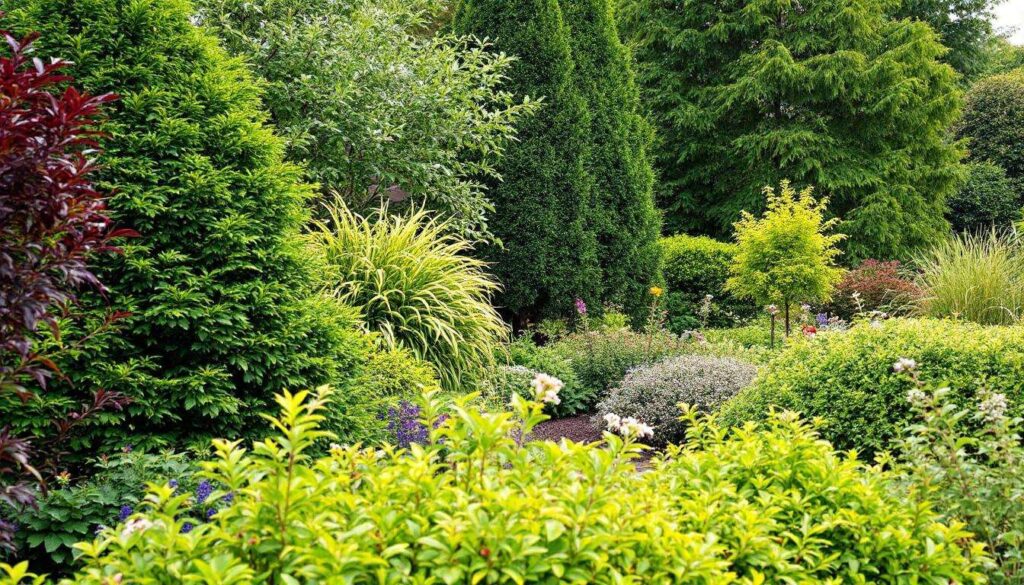
Creating a garden that captivates throughout the year demands strategic planning and thoughtful plant selection. Whilst seasonal blooms offer fleeting beauty, incorporating trees and shrubs with multi-season appeal ensures your outdoor space remains visually compelling even during the dormant months. Designers increasingly advocate for layered plantings that showcase diverse attributes such as striking bark textures, persistent berries, evergreen foliage, and architectural forms. These elements work together to maintain interest when traditional flowering plants have retreated, transforming gardens into dynamic landscapes that evolve with the calendar.
The importance of trees and shrubs for a four-season garden
Structural foundation beyond flowers
Trees and shrubs form the architectural backbone of any well-designed garden. Unlike herbaceous perennials that die back seasonally, woody plants provide permanent structure that anchors the landscape throughout the year. Their branches create visual interest against winter skies, whilst their varied forms add height, depth, and dimension to garden beds. This structural presence becomes particularly valuable during colder months when flower borders lie dormant.
Wildlife habitat and ecological benefits
Beyond aesthetics, these plantings serve crucial ecological functions. Berry-producing shrubs offer sustenance for overwintering birds, whilst dense evergreen foliage provides essential shelter from harsh weather. The ecosystem services extend further:
- Nesting sites for beneficial birds that control pest populations
- Pollen and nectar sources for early-season pollinators
- Cover for small mammals and beneficial insects
- Food chains supporting diverse wildlife communities
This ecological dimension transforms gardens into functional habitats rather than merely decorative spaces. Understanding how plant choices influence local wildlife populations naturally leads to considering specific selection criteria.
Criteria for choosing year-round interest plants
Multi-season attributes to prioritise
Selecting plants for continuous interest requires evaluating multiple characteristics beyond a single flowering period. Designers recommend assessing candidates across several dimensions:
| Season | Key Attributes | Visual Impact |
|---|---|---|
| Spring | Blossoms, emerging foliage | Fresh colours, delicate textures |
| Summer | Foliage density, fruit formation | Lush greenery, structural presence |
| Autumn | Leaf colour, persistent berries | Warm tones, wildlife activity |
| Winter | Bark texture, evergreen foliage, form | Sculptural silhouettes, colour contrast |
Texture and colour mixing strategies
Successful year-round gardens incorporate contrasting textures and complementary colours. Pairing fine-needled conifers with broad-leaved evergreens creates visual tension, whilst combining plants with different bark colours adds winter drama. The interplay of glossy and matte foliage, vertical and spreading forms, and varied leaf sizes produces a garden that rewards close observation throughout the seasons.
Site-specific considerations
Practical factors significantly influence plant selection success. Climate hardiness, soil conditions, moisture availability, and sun exposure all determine which species will thrive. Choosing plants naturally adapted to your specific conditions reduces maintenance demands whilst ensuring vigorous growth and reliable performance. These practical considerations directly inform which specific trees deserve inclusion in your planting scheme.
The best trees to enhance your outdoor space in all seasons
Crabapple for spring blooms and autumn fruit
Crabapple varieties deliver exceptional seasonal progression. Spring arrives with profuse blossoms in shades ranging from pure white to deep pink, creating spectacular floral displays. As flowers fade, small fruits develop, ripening to vibrant reds, oranges, or yellows by autumn. These persistent fruits remain attractive well into winter, providing crucial food sources for birds whilst adding colour to the dormant landscape. The tree’s moderate size suits most garden scales.
Serviceberry’s triple-season appeal
Serviceberry offers a remarkable sequence of ornamental features. Delicate white spring flowers appear early, often before leaves fully emerge. By midsummer, edible berries ripen, attracting wildlife and offering harvest opportunities. Autumn brings spectacular foliage colour in shades of orange, red, and yellow. The tree’s multi-stemmed form and smooth grey bark provide winter interest, making it a truly four-season performer.
Dogwood for colourful winter bark
Certain dogwood species prioritise stem colour over flowers, producing brilliant red, yellow, or coral bark that intensifies during winter months. This vibrant display becomes most pronounced on younger stems, encouraging periodic pruning to maintain colour intensity. Summer brings attractive foliage and berries that support bird populations, creating a plant that contributes meaningfully across multiple seasons. These deciduous trees naturally complement evergreen selections that maintain foliage year-round.
Evergreen shrubs as winter allies
Juniper’s adaptable resilience
Juniper species demonstrate remarkable versatility across varied garden conditions. Their drought tolerance, cold hardiness, and adaptability to different soil types make them exceptionally low-maintenance choices. Available in forms ranging from ground-hugging mats to upright columns, junipers suit diverse design applications. The evergreen foliage maintains colour through winter, whilst many varieties develop attractive blue or silver tones that provide year-round visual interest.
Blue spruce as a winter focal point
The distinctive blue-green needles of blue spruce create striking contrast against winter snow and grey skies. This conifer’s pyramidal form and substantial presence make it an effective anchor plant, drawing the eye even in large landscapes. The rigid branching pattern and dense foliage provide excellent wildlife shelter, whilst the tree’s longevity ensures it becomes an enduring garden feature.
Creeping mahonia for ground-level evergreen coverage
Creeping mahonia delivers multi-functional benefits at ground level. Its glossy evergreen foliage persists through winter, often developing purple tones in cold weather. Spring brings fragrant yellow flowers followed by blue-black berries. The plant’s spreading habit makes it valuable for erosion control and weed suppression, whilst its drought tolerance reduces maintenance requirements. These practical advantages complement trees requiring minimal upkeep.
Low-maintenance trees and shrubs for a worry-free garden
White pine’s majestic longevity
White pine exemplifies low-maintenance elegance. Once established, this native conifer requires virtually no intervention, thriving with minimal water or fertilisation. Its soft blue-green needles create graceful texture, whilst the tree’s eventual height and spreading crown provide substantial presence. The species’ longevity means it becomes a multi-generational garden feature, requiring only initial proper placement and establishment care.
Arborvitae’s versatile forms
Arborvitae varieties offer diverse shapes suitable for various garden roles. Narrow columnar forms create vertical accents or screening, whilst globe-shaped cultivars suit foundation plantings or containers. The evergreen foliage maintains colour year-round with minimal care, and most varieties demonstrate excellent cold hardiness. Their moderate growth rate and minimal pruning requirements make them ideal for gardeners seeking reliable performance without constant intervention.
Blueberry bushes for edible landscaping
Blueberry bushes combine ornamental and productive qualities. Spring flowers give way to summer fruit harvests, followed by spectacular autumn foliage in shades of scarlet and burgundy. The plants’ compact size suits smaller gardens, whilst their acidic soil preference makes them valuable for challenging sites. Beyond harvest benefits, the multi-season display rivals purely ornamental shrubs. These seasonal transformations exemplify how specific species shine during particular times of year.
Examples of recommended species for each season
Spring highlights
Spring-focused selections emphasise floral impact and fresh foliage emergence:
- Crabapple: abundant blossoms in varied colours
- Serviceberry: early white flowers before leaf emergence
- Creeping mahonia: fragrant yellow flower clusters
Summer contributions
Summer performers provide structural presence and developing fruit:
- Blueberry bushes: fruit production and lush foliage
- Dogwood: berry formation and attractive leaves
- White pine: soft texture and steady growth
Autumn transformations
Autumn specialists deliver colour intensity and persistent berries:
- Serviceberry: brilliant foliage colour
- Blueberry bushes: red and purple leaf tones
- Crabapple: colourful fruit display
Winter strengths
Winter champions maintain visual interest during dormancy:
- Dogwood: vibrant stem colours
- Blue spruce: distinctive needle colour and form
- Juniper: evergreen foliage and sculptural shapes
- Arborvitae: consistent green presence
Establishing a garden that rewards attention throughout the calendar requires moving beyond single-season thinking. By selecting trees and shrubs that offer diverse attributes across spring blossoms, summer foliage, autumn colour, and winter structure, you create a landscape that evolves continuously. The recommended species combine aesthetic appeal with ecological benefits, supporting wildlife whilst reducing maintenance demands. Strategic placement of these plants establishes a framework that anchors perennial borders and seasonal displays, ensuring your outdoor space remains engaging regardless of the month.