



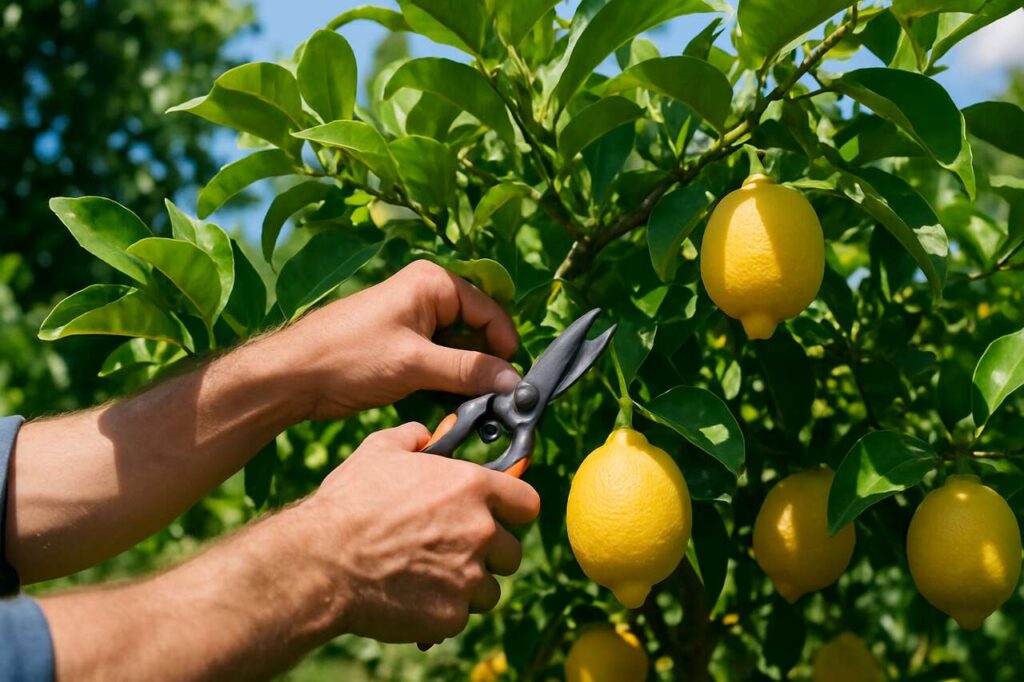
Lemon trees bring a touch of Mediterranean charm to any garden or patio, offering fragrant blossoms and vibrant fruits. However, without proper maintenance, these citrus plants can become overgrown, producing fewer lemons and developing weak branches. Strategic pruning transforms a struggling tree into a productive specimen, directing energy towards fruit development whilst maintaining an attractive shape. Understanding when and how to prune ensures your lemon tree remains healthy, vigorous, and laden with juicy fruits season after season.
Choosing the right time to prune
Optimal seasonal timing
The timing of pruning significantly influences your lemon tree’s recovery and subsequent fruit production. Late winter to early spring represents the ideal window, specifically from late February through early April. During this period, the tree emerges from dormancy but hasn’t yet committed energy to new growth, making it resilient to pruning stress. This timing allows wounds to heal quickly as sap flow increases with warming temperatures.
Pruning during this window offers several advantages:
- Reduced risk of frost damage to fresh cuts
- Minimal stress on the tree’s energy reserves
- Optimal healing conditions as growth resumes
- Clear visibility of the tree’s structure without dense foliage
Post-harvest considerations
Harvest timing also dictates appropriate pruning schedules. Many lemon varieties complete their main harvest between late March and early April, making this an excellent opportunity to prune immediately afterwards. This approach removes branches that have already fruited whilst the tree prepares for its next growth cycle. Avoid pruning during summer or autumn, as fresh cuts become vulnerable to cold damage when winter arrives, potentially compromising the tree’s health and reducing the following year’s crop.
Understanding your specific climate and variety helps refine this timing further, ensuring your pruning efforts align with natural growth patterns.
Preparing the necessary tools
Essential equipment selection
Quality tools make pruning safer, more efficient, and less stressful for the tree. Sharp, clean secateurs form the foundation of your toolkit, enabling precise cuts that heal quickly. Bypass secateurs work better than anvil types for living wood, creating cleaner cuts without crushing tissue. For branches exceeding two centimetres in diameter, loppers provide the necessary leverage, whilst a pruning saw handles larger structural branches.
| Tool | Purpose | Branch Size |
|---|---|---|
| Bypass secateurs | Small branches and twigs | Up to 2cm |
| Loppers | Medium branches | 2-4cm |
| Pruning saw | Large structural branches | Over 4cm |
Hygiene and maintenance
Tool cleanliness prevents disease transmission between cuts and between different plants. Before pruning, sterilise all cutting surfaces using a solution of one part bleach to nine parts water, or rubbing alcohol. This simple step protects against bacterial and fungal infections that exploit fresh wounds. Sharpen blades before each pruning session, as dull tools tear rather than cut, creating ragged wounds that heal slowly and attract pests. Keep a sharpening stone or file handy, and consider protective gloves to prevent injuries from thorns and sharp edges.
With properly prepared tools, you can move confidently into the practical aspects of shaping your lemon tree.
Effective pruning techniques
Identifying problem areas
Successful pruning begins with careful observation of your tree’s current condition. Examine branches for signs of damage, disease, or poor positioning. Dead wood appears brown or grey internally when scratched, whilst healthy wood shows green beneath the bark. Look for branches that cross and rub against each other, creating wounds that invite infection. Water sprouts, the vigorous vertical shoots growing from older branches, drain energy without contributing to fruit production and should be removed.
Strategic removal approach
Never remove more than 30% of the tree’s canopy in a single session, as excessive pruning shocks the plant and reduces photosynthetic capacity. Start by eliminating the “four Ds”:
- Dead branches showing no green tissue
- Diseased wood with discolouration or cankers
- Damaged limbs with splits or breaks
- Dying branches with sparse, yellowing foliage
Make cuts at a 45-degree angle, approximately 5mm above an outward-facing bud or lateral branch. This angle prevents water accumulation on the cut surface whilst directing new growth away from the tree’s centre. When removing entire branches, cut just outside the branch collar, the slightly swollen area where the branch meets the trunk, without leaving stubs that decay and harbour pests.
Shaping for light penetration
Open the canopy to allow sunlight and air circulation throughout the tree’s interior. Remove inward-growing branches and thin crowded areas where multiple branches compete for space. This openness reduces humidity within the canopy, discouraging fungal diseases whilst ensuring all fruiting wood receives adequate light. Maintain a balanced shape by stepping back periodically to assess your progress from different angles.
These fundamental techniques apply universally, though container-grown specimens require additional considerations.
Pruning potted lemon trees
Size management strategies
Container cultivation naturally restricts root growth, necessitating proportional canopy reduction to maintain plant health. Potted lemon trees benefit from more frequent, lighter pruning compared to ground-planted specimens. Aim to keep the canopy roughly balanced with the root system’s capacity, preventing the tree from becoming top-heavy or depleting limited soil nutrients too quickly. Regular trimming maintains a compact, manageable size suitable for patios, balconies, or indoor overwintering.
Container-specific considerations
Limited root space means potted trees cannot support the same branch density as garden-planted specimens. Thin more aggressively to compensate, focusing on maintaining an open structure with well-spaced branches. Pay particular attention to the lower canopy, removing branches that droop below the pot rim or touch the ground. These low branches rarely fruit well and become pathways for soil-borne diseases. Prune to create a clear trunk of approximately 15-20cm, improving air circulation around the pot and simplifying watering.
After shaping your tree appropriately for its growing conditions, attention turns to maximising fruit production.
Encouraging abundant fruiting
Directing energy efficiently
Pruning fundamentally redirects the tree’s resources from vegetative growth towards fruit development. By removing excess branches, you concentrate nutrients and energy into fewer, stronger limbs capable of supporting heavy crops. Focus on preserving horizontal and slightly drooping branches, as these produce more flowers and fruits than vertical shoots. Remove vigorous upright growth that consumes resources whilst contributing little to harvest yields.
Maintaining productive wood
Lemon trees fruit on current season’s growth and on short spurs along older wood. Preserve these fruiting spurs, the short, stubby branches typically found on two- to four-year-old wood. Avoid cutting back all new growth, as this removes potential fruiting sites. Instead, selectively thin new shoots, keeping those well-positioned to receive light whilst removing crowded or poorly located growth. This balance between removing excess vegetation and preserving fruiting wood maximises your harvest potential.
Proper post-pruning care ensures your tree capitalises on these efforts.
Follow-up care after pruning
Supporting recovery and growth
Pruning stresses plants temporarily, making appropriate aftercare essential for rapid recovery. Water thoroughly immediately after pruning, ensuring moisture penetrates the entire root zone. This hydration supports wound healing and helps the tree cope with reduced foliage. Apply a balanced citrus fertiliser approximately two weeks post-pruning, once initial healing has occurred. This nutrient boost fuels new growth and flower development, translating pruning efforts into abundant fruit production.
Monitoring for issues
Inspect pruning wounds regularly during the first month, watching for signs of disease or pest activity. The citrus earwig, particularly active during spring, targets fresh cuts, so monitor closely during this period. Apply organic pest deterrents if necessary, and ensure cuts are healing cleanly without discolouration or oozing. Adjust watering based on weather conditions, as reduced canopy means lower water requirements until new growth emerges. Mulch around the base maintains soil moisture and moderates temperature fluctuations, supporting root health during the recovery period.
Regular pruning transforms lemon trees from unruly plants into productive, attractive specimens. By timing cuts appropriately, using proper techniques, and providing attentive aftercare, you ensure vigorous growth and bountiful harvests. The modest effort invested in annual pruning yields returns in healthier trees, easier maintenance, and baskets filled with fragrant, home-grown lemons that bring the essence of Mediterranean gardens to your own outdoor space.