



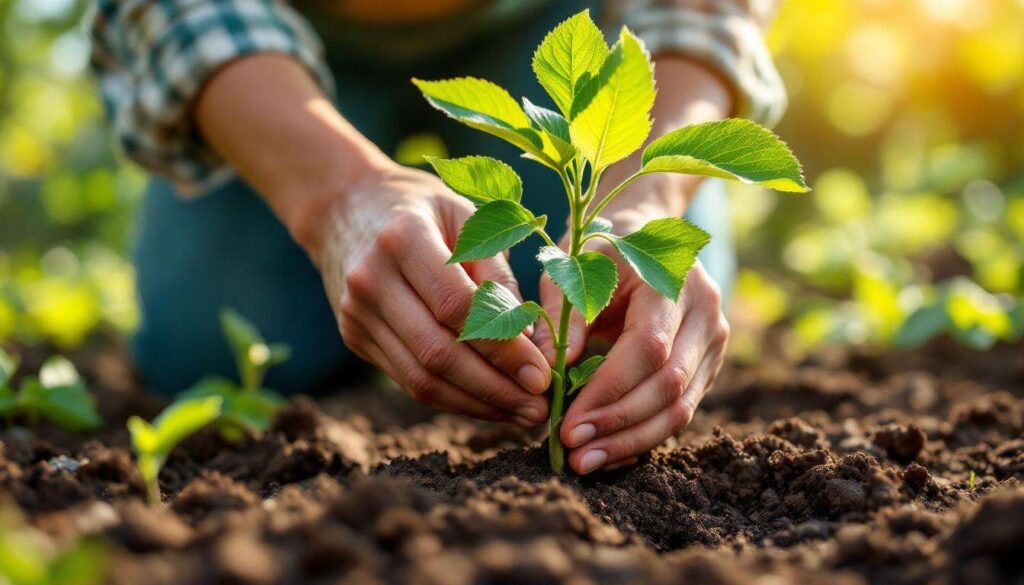
Growing your own fruit is one of gardening’s greatest rewards, but purchasing multiple trees can quickly become expensive. Propagating fruit trees allows gardeners to multiply their favourite varieties without significant financial investment whilst preserving the exact characteristics of the parent plant. Whether you’re looking to expand an existing orchard or share productive cultivars with fellow gardeners, mastering propagation techniques opens up a world of possibilities for achieving truly abundant harvests year after year.
Why propagate fruit trees ?
Economic advantages and self-sufficiency
Propagating your own fruit trees delivers substantial cost savings compared to purchasing nursery stock. A single mature apple or pear tree can provide dozens of cuttings or grafting scions, effectively transforming one investment into many productive trees. This approach proves particularly valuable when establishing larger orchards or replacing ageing specimens.
Beyond financial considerations, propagation fosters genuine self-sufficiency. Gardeners develop valuable skills that reduce dependence on commercial suppliers whilst gaining deeper understanding of plant biology and growth patterns.
Preserving superior genetics
When you discover a fruit tree with exceptional qualities, propagation ensures these characteristics continue. Commercial varieties may disappoint with inconsistent flavour or poor disease resistance, but propagating from a proven performer guarantees:
- Identical fruit quality, size, and flavour profiles
- Consistent ripening times suited to your climate
- Inherited disease resistance from healthy parent stock
- Preservation of rare or heirloom varieties unavailable commercially
This genetic consistency proves invaluable for maintaining productive orchards with predictable harvests. Understanding these benefits naturally leads to considering the optimal timing for propagation activities.
When is the best time to propagate fruit trees ?
Seasonal considerations for different methods
Timing significantly impacts propagation success rates. Softwood cuttings require active growth periods from late spring through early summer when shoots remain flexible and green. These juvenile tissues root more readily than mature wood, making timing critical for species like cherry, plum, and fig.
For semi-hardwood cuttings, mid-summer through late summer provides ideal conditions. The wood has begun firming but retains enough moisture and growth hormones to encourage root development. This window suits many fruit trees including citrus and pomegranate.
Grafting and layering schedules
Grafting demands precise timing aligned with dormancy cycles. Late winter or very early spring, before buds swell, offers the best success rates. The cambium layers of both rootstock and scion must be actively dividing without leaf growth competing for resources.
| Method | Optimal timing | Best for |
|---|---|---|
| Softwood cuttings | Late spring to early summer | Cherry, fig, pomegranate |
| Semi-hardwood cuttings | Mid to late summer | Citrus, olive, persimmon |
| Grafting | Late winter to early spring | Apple, pear, stone fruits |
| Air layering | Spring or autumn | Most species during dormancy |
Air layering offers flexibility throughout the growing season, though spring and autumn generally yield better results due to reduced water stress. Once you’ve identified the appropriate timing, selecting quality material becomes paramount.
Choosing and preparing the cutting
Selecting healthy parent material
Success begins with choosing vigorous, disease-free parent stock. Examine potential donor trees carefully for signs of pest damage, fungal infections, or nutritional deficiencies. The healthiest specimens produce cuttings with the best rooting potential and long-term vitality.
For softwood cuttings, select shoots approximately 15 centimetres long with several leaf nodes. The cutting should be neither too soft nor too woody, bending without snapping. Semi-hardwood cuttings require slightly firmer material that has begun lignifying but hasn’t fully hardened.
Proper cutting techniques
Sharp, sterilised tools prevent disease transmission and ensure clean cuts that heal quickly. Make angled cuts just below a node where hormone concentrations naturally occur. This positioning encourages root initiation at the optimal location.
- Remove lower leaves to prevent rot whilst retaining top foliage for photosynthesis
- Trim remaining leaves by half to reduce moisture loss
- Make cuts at 45-degree angles to maximise rooting surface area
- Keep cuttings moist and cool until planting
For grafting, select pencil-thick scions with three to four healthy buds. Store these in damp paper within sealed bags if not using immediately. With properly prepared material ready, attention turns to establishing optimal planting conditions.
Planting the cutting correctly
Creating the ideal rooting medium
The rooting substrate must balance moisture retention with adequate drainage. A mixture combining equal parts sterile peat moss, sharp sand, and perlite provides excellent aeration whilst preventing waterlogging. Sterilising the medium eliminates pathogens that cause damping-off and root rot.
Fill clean containers with drainage holes, ensuring the medium remains loose and friable. Firm gently around cuttings without compacting excessively, as roots require oxygen to develop properly.
Planting depth and positioning
Insert cuttings to approximately one-third their length, ensuring at least two nodes remain buried. This depth provides stability whilst maximising rooting zones. Space multiple cuttings to allow air circulation, reducing fungal disease risks.
After planting, water thoroughly to eliminate air pockets and establish good contact between cutting and medium. A clear plastic cover creates humidity whilst allowing light penetration, but requires daily ventilation to prevent excessive moisture accumulation. These initial steps set the foundation for successful root development.
Encouraging root development
Environmental conditions for rooting
Temperature consistency proves crucial for root initiation. Most fruit tree cuttings root best between 18-24°C, with bottom heat accelerating the process. Heating mats designed for propagation maintain optimal soil temperatures without overheating aerial portions.
Light requirements vary by method. Softwood cuttings benefit from bright, indirect light that supports photosynthesis without causing heat stress. Excessive direct sunlight raises temperatures and increases transpiration beyond what rootless cuttings can sustain.
Rooting hormones and their application
Commercial rooting hormones contain auxins that stimulate root primordia formation. Available as powders, gels, or liquids, these products significantly improve success rates, particularly with difficult-to-root species.
- Powder formulations suit most applications and store well
- Gel products adhere better to cutting surfaces
- Liquid concentrates allow custom dilution for different wood types
- Natural alternatives include willow water or honey solutions
Apply hormones sparingly to the basal cut surface, tapping off excess before insertion. Over-application can inhibit rather than promote rooting. Monitoring moisture levels throughout the rooting period prevents desiccation whilst avoiding waterlogged conditions. As roots develop, protecting vulnerable new plants becomes essential.
Protecting new cuttings from pests and diseases
Common threats to propagated material
Fungal pathogens pose the greatest risk during propagation. Botrytis and pythium thrive in humid propagation environments, causing grey mould and root rot respectively. Maintaining excellent air circulation and avoiding overwatering provides the primary defence against these diseases.
Aphids and whiteflies may colonise tender new growth, weakening plants and transmitting viral diseases. Regular inspection allows early intervention before populations establish.
Preventative measures and treatments
Sanitation prevents most propagation problems. Sterilise all tools, containers, and work surfaces with diluted bleach solution or rubbing alcohol. Use only fresh, sterile propagation media and clean water sources to eliminate pathogen introduction.
| Problem | Prevention | Treatment |
|---|---|---|
| Fungal diseases | Good ventilation, sterile media | Remove affected material, apply fungicide |
| Aphids | Screen propagation areas | Insecticidal soap, neem oil |
| Damping-off | Avoid overwatering | Improve drainage, reduce humidity |
Natural predators like ladybirds control aphid populations in greenhouse settings. For serious infestations, horticultural soaps or neem oil provide effective, low-toxicity options. Copper-based fungicides treat fungal issues whilst remaining suitable for organic production systems.
Monitor cuttings daily during the critical first weeks, removing any yellowed or diseased material immediately to prevent spread. Gradual acclimatisation to outdoor conditions strengthens plants before transplanting to permanent locations.
Mastering fruit tree propagation transforms gardening from purchasing plants to creating them, offering both practical benefits and deep satisfaction. The techniques outlined provide reliable pathways to expanding orchards economically whilst preserving exceptional varieties. Success requires attention to timing, proper preparation, and consistent care during the vulnerable rooting phase. Whether through cuttings, grafting, or layering, these methods empower gardeners to cultivate abundant harvests from their own propagated stock, building productive orchards that yield fruit for generations.