



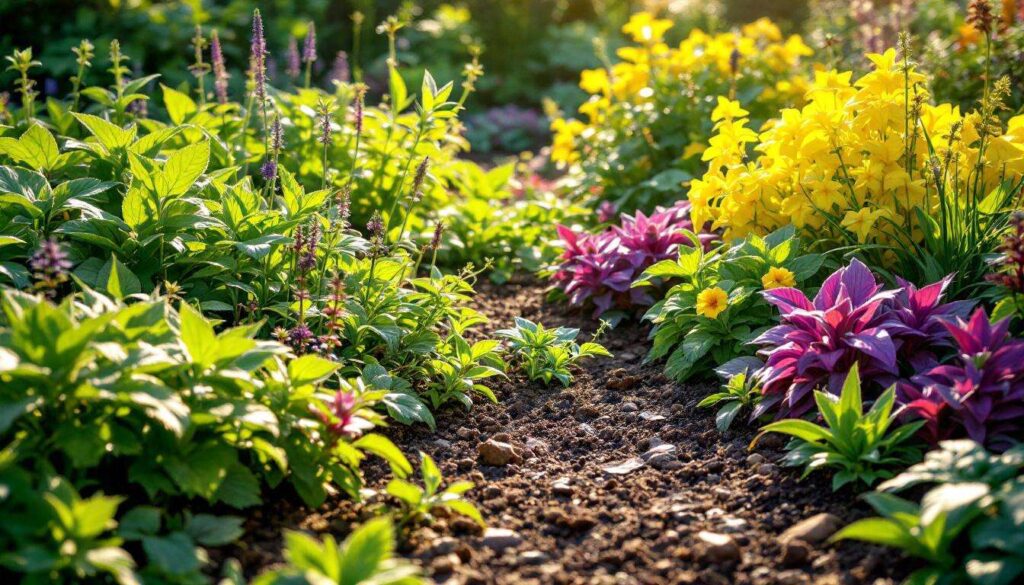
Traditional grass lawns have long been the standard for British gardens, but a growing number of homeowners are reconsidering this conventional approach. Rising water costs, increased awareness of environmental sustainability, and the desire for low-maintenance outdoor spaces are driving a shift towards alternative landscaping solutions. Ground cover plants offer an attractive and practical substitute, providing lush greenery without the constant demands of mowing, watering, and fertilising that lawns require.
Why replace your lawn ?
The decision to move away from traditional grass lawns stems from several compelling factors that affect both the environment and household budgets.
Environmental impact and water consumption
Conventional lawns place considerable strain on water resources, particularly during summer months when irrigation becomes essential. In regions experiencing drought or water restrictions, maintaining a healthy lawn can prove challenging and environmentally irresponsible. Ground cover alternatives typically require significantly less water once established, making them a more sustainable choice for conscientious gardeners.
Maintenance demands and time investment
The weekly ritual of lawn mowing consumes both time and energy that many homeowners would prefer to spend enjoying their gardens rather than maintaining them. Additional tasks include:
- regular fertilising to maintain colour and health
- aerating compacted soil
- treating moss and weeds
- reseeding bare patches
- edging borders for a neat appearance
Ground cover plants eliminate most of these tasks, offering a more relaxed approach to garden care whilst still providing attractive coverage.
Cost considerations
Beyond the initial investment in lawn establishment, ongoing expenses accumulate rapidly. Water bills, lawn care equipment, fertilisers, weed treatments, and potential professional maintenance services all contribute to the true cost of lawn ownership. Ground covers present a more economical long-term solution with minimal ongoing expenses.
Understanding these drawbacks naturally leads to exploring what ground cover plants can offer as superior alternatives.
The benefits of ground cover plants
Ground cover plants deliver numerous advantages that extend beyond simply reducing maintenance requirements.
Ecological contributions
Many ground cover varieties support local wildlife by providing nectar for pollinators, shelter for beneficial insects, and habitat diversity that sterile lawns cannot match. Flowering ground covers such as creeping thyme attract bees and butterflies, contributing to garden biodiversity and supporting declining pollinator populations.
Soil protection and improvement
Dense ground cover plants prevent soil erosion on slopes and banks where maintaining grass proves difficult. Their root systems stabilise soil whilst their foliage shields the ground from heavy rain impact. Over time, many ground covers improve soil quality through organic matter accumulation and enhanced microbial activity.
Aesthetic versatility
Unlike the uniform appearance of grass, ground covers offer remarkable variety in:
- foliage colours ranging from deep green to golden chartreuse
- textures from fine and delicate to bold and architectural
- seasonal flowers adding colour throughout the year
- growth habits creating interesting patterns and layers
Adaptability to challenging conditions
Ground covers excel in situations where grass struggles or fails entirely. Shaded areas beneath trees, dry spots with poor soil, and damp corners can all be transformed with appropriate plant selections. This adaptability allows gardeners to create cohesive designs throughout spaces that would otherwise require multiple maintenance strategies.
Selecting the right plants for your specific conditions ensures success with these versatile alternatives.
Choosing plants: essential criteria
Matching ground cover plants to your garden’s unique conditions guarantees healthy growth and minimal intervention.
Light requirements assessment
Observe how sunlight moves across your garden throughout the day. Full sun areas require drought-tolerant species whilst shaded zones need plants adapted to lower light levels. Partial shade offers the widest selection, accommodating many versatile varieties.
Soil type and drainage
Understanding your soil composition influences plant selection significantly:
| Soil Type | Suitable Ground Covers | Key Characteristics |
|---|---|---|
| Clay | Ajuga, vinca | Moisture-retentive, heavy |
| Sandy | Sedum, thyme | Free-draining, low nutrients |
| Loam | Most varieties | Balanced, fertile |
Foot traffic tolerance
Consider how the area will be used. Pathways and play areas require robust plants that withstand regular trampling, whilst ornamental beds can accommodate more delicate species. Creeping thyme and chamomile tolerate moderate foot traffic whilst releasing pleasant fragrances when crushed.
Growth rate and coverage speed
Faster-growing plants provide quicker coverage but may require more containment to prevent invasiveness. Slower varieties need patience but often prove easier to manage long-term. Balance immediate impact with future maintenance considerations when making selections.
Armed with these criteria, exploring specific plant varieties becomes more focused and productive.
Popular varieties of ground cover plants
Several ground cover species have proven particularly successful in British gardens, offering reliable performance across various conditions.
Sedum takesimense for sunny spots
This hardy succulent thrives in full sun with minimal care, making it ideal for low-maintenance gardens. Its evergreen foliage provides year-round interest whilst its drought tolerance eliminates watering concerns once established. The plant naturally suppresses weeds through dense coverage and requires no mowing or fertilising.
Creeping Jenny for versatility
Lysimachia nummularia adapts to both sunny and shaded locations, featuring vibrant chartreuse leaves that brighten darker corners. Its trailing habit makes it perfect for:
- filling gaps between paving stones
- cascading over wall edges
- covering difficult slopes
- softening hard landscaping edges
The plant tolerates light foot traffic and supports pollinators with small yellow flowers during summer months.
Creeping thyme for fragrance and function
Thymus serpyllum combines practical ground coverage with aromatic appeal. Its dense mat formation withstands moderate foot traffic whilst releasing pleasant herbal scents. Drought tolerance and preference for sunny positions make it suitable for Mediterranean-style gardens and rockeries.
Dwarf mondo grass for texture
Ophiopogon japonicus ‘Nanus’ provides unique grass-like texture without lawn maintenance demands. Though slower to establish than other options, its dark green foliage creates striking contrast in mixed plantings and tolerates shade well.
Successful establishment of these plants depends on proper care during initial stages and appropriate ongoing maintenance.
Tips for maintaining ground cover plants
Whilst ground covers require less attention than lawns, some basic care ensures optimal performance and longevity.
Initial establishment period
Regular watering during the first growing season helps plants develop strong root systems. Once established, most ground covers become remarkably self-sufficient, requiring intervention only during extended drought periods.
Weed management strategies
Before planting, thoroughly remove existing weeds to give ground covers a competitive advantage. During establishment, hand-pull any weeds that emerge through the developing coverage. Once plants form dense mats, weed suppression becomes largely automatic.
Feeding requirements
Most ground covers thrive without regular fertilisation, particularly those adapted to poor soils. Excessive feeding can promote weak, leggy growth and reduce drought tolerance. A light spring application of compost provides sufficient nutrients for healthy development.
Pruning and containment
Vigorous spreaders may require occasional trimming to maintain boundaries and prevent encroachment into unwanted areas. Simple measures include:
- installing physical barriers like edging strips
- annual trimming of spreading edges
- removing runners that venture beyond designated zones
These straightforward maintenance practices support the broader vision of creating attractive, lawn-free garden spaces.
Creating a lawnless garden: tips and inspirations
Transitioning from traditional lawn to ground cover plantings requires planning but offers exciting design possibilities.
Gradual conversion approach
Rather than removing entire lawns immediately, consider converting sections progressively. This method allows experimentation with different plants whilst maintaining some traditional lawn area during the transition period.
Combining multiple species
Mixing complementary ground covers creates visual interest through contrasting textures, colours, and flowering periods. Ensure selected plants share similar cultural requirements to simplify maintenance whilst achieving varied aesthetics.
Incorporating pathways and features
Define movement through ground cover areas with stepping stones, gravel paths, or timber boardwalks. These elements provide access for maintenance whilst creating structure and visual focal points within planted areas.
Seasonal interest planning
Select plants offering staggered flowering times and evergreen foliage to maintain year-round appeal:
| Season | Featured Plants | Interest Type |
|---|---|---|
| Spring | Ajuga, periwinkle | Blue flowers |
| Summer | Creeping thyme, sedum | Pink blooms, texture |
| Autumn | Bergenia | Foliage colour |
| Winter | Evergreen varieties | Structure, greenery |
Thoughtful plant selection ensures the garden remains attractive throughout all seasons, eliminating the brown dormancy periods common with traditional lawns.
Ground cover plants represent a practical, sustainable, and aesthetically pleasing alternative to conventional lawns. By reducing water consumption, minimising maintenance demands, and supporting local wildlife, these versatile plants address modern gardening challenges whilst creating beautiful outdoor spaces. Whether covering entire garden areas or filling problem spots where grass fails, ground covers offer solutions suited to diverse conditions and design preferences. The initial investment in proper plant selection and establishment pays dividends through years of low-maintenance beauty and environmental benefits that traditional lawns simply cannot match.