



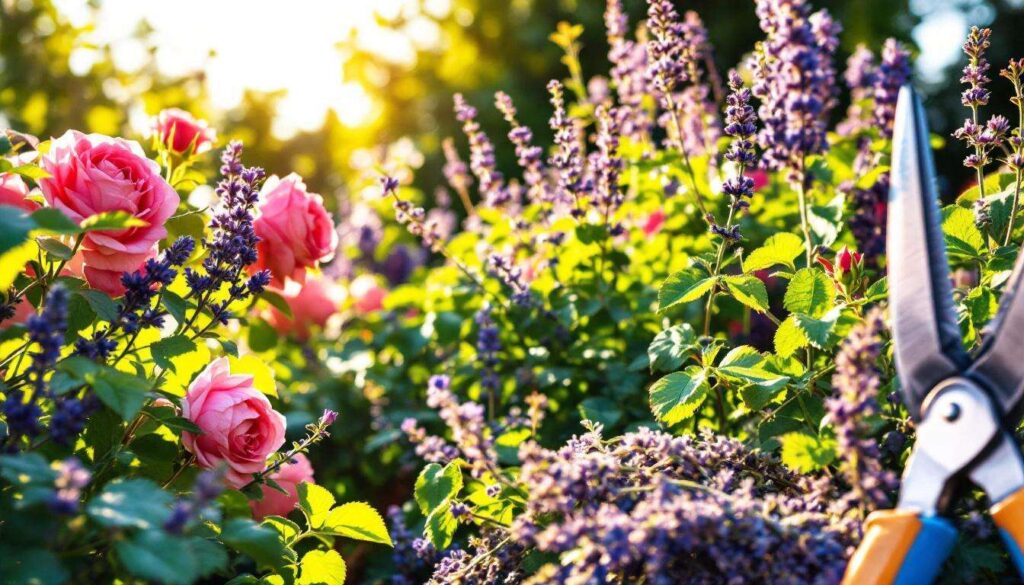
As winter begins to loosen its grip on the garden, February emerges as a crucial month for strategic pruning. This period offers gardeners a narrow window of opportunity to shape and revitalise key plants before the vigorous spring growth begins. With many species still in their dormant phase, pruning now minimises stress, reduces sap loss, and allows for clear visibility of branch structures. The work undertaken during these short weeks can dramatically influence the health, shape, and productivity of plants throughout the coming growing season.
Buddleja: the importance of early pruning
Understanding the butterfly bush’s growth pattern
Buddleja, commonly known as the butterfly bush, demonstrates vigorous growth on new wood produced each season. This characteristic makes February pruning not just beneficial but essential for maintaining a compact, floriferous plant. Without intervention, buddleja can quickly become leggy and unproductive, with flowers appearing only at the tips of long, bare stems.
Pruning technique for optimal results
The recommended approach involves cutting back all previous year’s growth to within 30 to 60 centimetres from ground level. This hard pruning stimulates the production of strong new shoots that will carry the summer’s blooms. Gardeners should make cuts just above a healthy pair of buds, using sharp, clean secateurs to ensure precise wounds that heal quickly.
| Cutting height | Expected new shoots | Flowering period |
|---|---|---|
| 30-40 cm | 8-12 strong stems | July-September |
| 50-60 cm | 12-16 moderate stems | June-September |
Benefits beyond aesthetics
Early February pruning delivers multiple advantages for buddleja cultivation:
- Promotes bushier, more compact growth habit
- Increases the quantity and size of flower panicles
- Prevents the plant from becoming top-heavy and unstable
- Encourages blooms at a more accessible height for both gardeners and pollinators
With buddleja properly managed, attention can turn to another garden favourite that demands timely intervention for spectacular results.
Preparing your roses for an abundant bloom
Timing considerations for rose pruning
Roses respond exceptionally well to late winter pruning, particularly when undertaken just before the buds begin to swell. February provides ideal conditions across most regions, as the worst frosts have typically passed whilst plants remain dormant. This timing allows wounds to heal before active growth commences, reducing disease risk whilst maximising the plant’s energy for new development.
Essential pruning steps for different rose types
Hybrid tea and floribunda roses require the most rigorous pruning. Remove all dead, diseased, or damaged wood first, cutting back to healthy white pith. Then reduce remaining stems to approximately 15 to 25 centimetres above ground level, making cuts at a 45-degree angle just above an outward-facing bud.
Shrub roses and old garden roses demand a lighter touch. Remove only dead wood and the oldest stems, thinning the centre to improve air circulation whilst maintaining the plant’s natural shape.
Creating the framework for success
Proper rose pruning establishes a strong foundation for the growing season:
- Opens the centre of the plant to sunlight and air movement
- Redirects energy into fewer, stronger stems
- Reduces the risk of fungal diseases through improved ventilation
- Produces larger, more vibrant blooms on sturdy stems
Beyond ornamental considerations, February pruning extends to productive plants that reward careful attention with edible harvests.
Fruit trees: improving future production
The science behind winter pruning
Fruit trees including apples, pears, and plums benefit enormously from February pruning. During dormancy, sap flow remains minimal, meaning cuts heal efficiently without excessive bleeding. The absence of foliage provides clear visibility of the tree’s structure, enabling gardeners to identify crossing branches, water sprouts, and unproductive wood that should be removed.
Structural pruning for long-term health
Establishing a well-balanced framework proves crucial for fruit tree productivity. Focus on creating an open centre or modified leader system that allows sunlight to penetrate throughout the canopy. Remove branches that:
- Grow inward towards the tree’s centre
- Cross or rub against other branches
- Grow vertically as unproductive water sprouts
- Show signs of disease or damage
Quantifiable benefits of timely intervention
| Pruning practice | Fruit size increase | Yield improvement |
|---|---|---|
| Annual February pruning | 15-25% | 20-30% |
| Biennial pruning | 5-10% | 10-15% |
| No regular pruning | Baseline | Baseline |
Whilst fruit trees represent a long-term investment, certain ornamental shrubs require equally decisive action to maintain their decorative appeal.
Lavatera: a pruning for a harmonious shape
Managing vigorous growth patterns
Lavatera, or tree mallow, exhibits rapid growth that can quickly result in an ungainly, sprawling plant if left unchecked. February presents the final opportunity to implement corrective pruning before new growth obscures the plant’s structure. This woody shrub produces flowers on current season’s growth, making hard pruning not only safe but beneficial for flowering performance.
Achieving balanced proportions
Reduce all stems by approximately one-third to one-half of their length, cutting just above outward-facing buds. This encourages a rounded, bushy habit rather than the leggy appearance that develops without intervention. Pay particular attention to maintaining an even shape around the plant’s circumference, stepping back regularly to assess symmetry.
Additional maintenance considerations
Successful lavatera management involves several complementary practices:
- Remove any frost-damaged growth entirely
- Thin congested areas to improve air circulation
- Cut out completely any stems showing signs of disease
- Maintain a clear stem base to prevent moisture accumulation
The principles applied to lavatera extend naturally to other productive plants that require February attention.
Pruning fruit trees before spring
Refining techniques for specific species
Different fruit tree species respond optimally to tailored approaches. Stone fruits including plums and cherries should receive only minimal pruning in February, as they remain susceptible to silver leaf disease when cut during dormancy. Conversely, apples and pears tolerate and indeed benefit from more substantial intervention during this period.
Spur pruning versus renewal pruning
Spur pruning suits apples and pears that fruit on short lateral branches. Reduce lateral shoots to three or four buds from the main branch, encouraging the development of productive fruiting spurs. This technique concentrates the tree’s energy into fewer, higher-quality fruits.
Renewal pruning applies to trees requiring rejuvenation. Remove approximately one-quarter of the oldest wood annually, stimulating vigorous new growth whilst maintaining productivity. This gradual approach prevents the shock associated with severe pruning.
Optimising fruiting potential
| Tree age | Pruning intensity | Expected recovery time |
|---|---|---|
| 1-3 years | Light shaping only | Immediate |
| 4-8 years | Moderate structural work | One season |
| 9+ years | Renewal pruning cycles | Two seasons |
Moving from woody plants to those with a completely different growth habit reveals further opportunities for February garden improvement.
Ornamental grasses: why prune in February ?
The dormancy advantage
Ornamental grasses present a unique case for late winter maintenance. Throughout winter, their dried foliage and seed heads provide structural interest and wildlife habitat. By February, however, this material begins to deteriorate, and new growth starts emerging at the base. Cutting back now removes shabby growth before it obscures fresh shoots.
Proper cutting techniques
Using sharp hedge shears or secateurs, cut the entire clump down to approximately 10 to 15 centimetres above ground level. Make cuts in a single session to avoid a staggered, untidy appearance as new growth emerges. Deciduous grasses including miscanthus, calamagrostis, and panicum all benefit from this treatment.
Species-specific considerations
Different ornamental grasses require varying approaches:
- Evergreen grasses such as festuca need only removal of dead material
- Large miscanthus varieties may require power tools for efficient cutting
- Smaller grasses like hakonechloa can be combed through with gloved hands
- Tender species in colder regions benefit from delayed pruning until frost risk passes
February pruning across these diverse plant groups establishes the foundation for a productive and beautiful growing season. The effort invested during these critical weeks pays dividends throughout spring and summer, with healthier plants, more abundant flowers, and improved fruit crops. Delaying these essential tasks risks missing the optimal window when plants remain dormant yet poised for vigorous growth. Armed with sharp tools and clear objectives, gardeners can transform their plots into thriving ecosystems ready to burst into life as temperatures rise.