



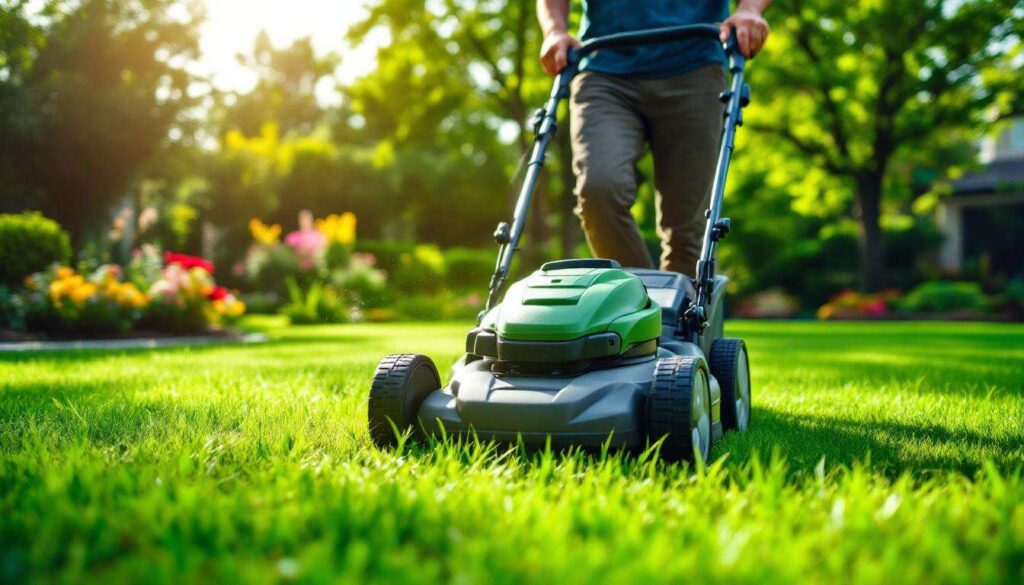
A well-maintained lawn is the hallmark of a thriving garden, yet many homeowners overlook the critical role that proper mowing techniques play in achieving this goal. Cutting your grass correctly during the autumn months sets the foundation for a lush, resilient yard when warmer weather returns. Understanding the science behind lawn care and implementing proven strategies can transform your outdoor space from merely functional to genuinely flourishing.
Importance of regular mowing
Promoting root development and grass density
Regular mowing serves as more than just an aesthetic exercise. Each time you cut your lawn, you stimulate lateral growth, encouraging the grass to spread horizontally rather than simply growing taller. This process creates a denser turf that naturally crowds out weeds and resists disease pressure. The act of mowing triggers the plant’s natural response to produce additional shoots, resulting in a thicker, more uniform appearance across your entire lawn.
Preventing thatch accumulation
Consistent mowing schedules help manage thatch buildup, the layer of dead organic matter that accumulates between the soil surface and living grass. When maintained properly through regular cutting, grass clippings decompose quickly and return valuable nutrients to the soil. However, allowing grass to grow excessively tall before cutting creates longer clippings that contribute to problematic thatch layers, which can:
- Block water and nutrient penetration to roots
- Create habitats for pests and disease organisms
- Reduce the lawn’s ability to withstand drought conditions
- Interfere with new grass growth in spring
Establishing a routine mowing pattern now directly influences how your lawn will emerge from winter dormancy.
When to start mowing the lawn
Seasonal timing considerations
The optimal window for autumn lawn cutting typically falls between late October and early November, though this varies based on your specific climate and grass type. The key indicator is grass height rather than calendar dates. When your lawn reaches approximately 2-3 inches in height, it signals the appropriate time for cutting. This timing allows the grass to establish deeper root systems before winter sets in, enhancing its ability to survive cold temperatures and emerge vigorously in spring.
Weather-dependent factors
Beyond seasonal timing, daily weather conditions significantly impact mowing effectiveness. The best times to mow include:
| Time of Day | Advantages | Considerations |
|---|---|---|
| Morning (after dew dries) | Cooler temperatures, reduced stress | Must wait for moisture to evaporate |
| Late afternoon/evening | Grass has time to recover overnight | Avoid cutting too late in season |
| Midday | Grass is completely dry | Heat stress potential increases |
Avoid mowing when grass blades are wet, as this creates uneven cuts and increases susceptibility to fungal infections. Understanding these temporal nuances helps determine the precise cutting approach for your lawn.
The one-third rule for effective mowing
Understanding the science behind the rule
The one-third rule represents one of the most critical principles in lawn care: never remove more than one-third of the grass blade height in a single mowing session. This guideline protects the plant’s ability to photosynthesise effectively. When you cut more than one-third, you remove excessive leaf surface area, forcing the grass to divert energy from root development to blade regrowth. This stress weakens the plant and makes it vulnerable to disease, drought, and weed invasion.
Practical application for different grass heights
For cool-season grasses commonly found in UK lawns, experts recommend maintaining heights between 2.5 and 3.5 inches. Applying the one-third rule means:
- If your target height is 2.5 inches, mow when grass reaches approximately 3.75 inches
- For a 3-inch target, cut when grass grows to roughly 4.5 inches
- Never scalp the lawn by cutting significantly shorter than recommended heights
Taller grass develops more extensive root systems, improving water retention and nutrient uptake. This becomes particularly important heading into winter, as robust roots enable better spring recovery. The relationship between cutting height and lawn health extends beyond simple aesthetics to fundamental plant biology.
What type of lawnmower to use
Comparing mower options for different lawn sizes
Selecting the appropriate mower depends on several factors, including lawn size, terrain, and personal preference. Each mower type offers distinct advantages:
| Mower Type | Best For | Key Benefits |
|---|---|---|
| Cylinder/Reel | Small, flat lawns | Precise cut, environmentally friendly, quiet operation |
| Rotary | Medium to large lawns | Versatile, handles uneven terrain, widely available |
| Ride-on | Large properties | Efficient for extensive areas, reduced physical effort |
Blade sharpness and cut quality
Regardless of mower type, blade sharpness remains paramount for achieving healthy cuts. Sharp blades slice cleanly through grass, creating smooth edges that heal quickly. Dull blades tear and shred, leaving ragged wounds that turn brown and become entry points for pathogens. Inspect your mower blade regularly and sharpen or replace it when you notice frayed grass tips or uneven cutting patterns. This single maintenance step dramatically improves both appearance and lawn health as you prepare for spring growth.
Tips for achieving a striped lawn
The mechanics of lawn striping
Creating those distinctive stripes seen on professional sports pitches and pristine gardens results from bending grass blades in alternating directions. Light reflects differently off blades bent towards you versus those bent away, creating the contrasting light and dark stripes. This purely visual effect requires no special grass varieties, only proper technique and equipment.
Techniques and equipment for striping
To achieve professional-looking stripes, consider these approaches:
- Use a mower with a rear roller that bends grass as you pass over it
- Mow in straight, parallel lines, alternating direction with each pass
- Overlap slightly to ensure complete coverage without missed strips
- Maintain consistent speed throughout each pass for uniform results
- Create checkerboard patterns by mowing perpendicular to previous stripes
The striping effect appears most pronounced on well-maintained, healthy lawns with adequate height. Cutting too short reduces the visual impact, whilst properly managed grass at recommended heights showcases stripes beautifully. Beyond aesthetics, the varied mowing directions prevent grass from developing a growth bias in one direction, promoting more upright, uniform growth that benefits overall lawn health heading into the dormant season.
How to maintain your lawnmower for optimal cutting
Pre-season and post-season maintenance
Proper mower maintenance ensures reliable performance and extends equipment lifespan. Before beginning your autumn mowing programme, conduct a comprehensive inspection that includes checking oil levels, cleaning or replacing air filters, and examining spark plugs. After completing your final autumn cut, thorough end-of-season maintenance prevents problems when you restart in spring. Drain fuel or add stabiliser, clean the undercarriage thoroughly, and store the mower in a dry location protected from moisture and temperature extremes.
Blade care and adjustment
Blade maintenance deserves special attention as the single most important factor in cut quality. Follow these essential practices:
- Sharpen blades at least twice per season, more frequently if mowing frequently
- Check blade balance after sharpening to prevent vibration damage
- Replace bent or damaged blades rather than attempting repairs
- Adjust cutting height according to grass type and seasonal requirements
- Clean grass buildup from the deck after each use to prevent corrosion
A well-maintained mower delivers consistent results that directly translate to lawn health. Clean cuts heal faster, reducing stress on grass plants as they prepare for winter dormancy. This attention to equipment care complements proper mowing techniques, creating optimal conditions for your lawn to thrive when growth resumes in spring.
Implementing these proven lawn care strategies transforms autumn mowing from a simple chore into a purposeful investment in your garden’s future. Regular mowing at appropriate heights, timed correctly according to seasonal and daily conditions, establishes the foundation for vigorous spring growth. The one-third rule protects plant health whilst proper equipment selection and maintenance ensure quality cuts that promote recovery and resilience. Whether you prioritise functional health or aesthetic appeal through striped patterns, these techniques work synergistically to create a lawn that emerges from winter stronger and more beautiful than before.