

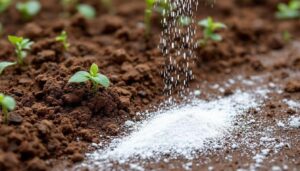


Gardeners across the country are increasingly turning to an often-overlooked resource that sits quietly in their fireplaces and wood burners. Wood ash, a simple byproduct of winter warmth, holds remarkable potential for enriching garden beds and boosting plant vitality. Rich in essential nutrients and capable of transforming soil chemistry, this humble material offers a sustainable solution for those seeking to improve their growing conditions without resorting to commercial fertilisers.
Understanding the composition of wood ash
Primary nutrient content
Wood ash contains a remarkable concentration of potassium, typically ranging from 5 to 10 per cent by weight. This nutrient appears in the form of potash, which plants readily absorb to strengthen their cellular structure and enhance their resistance to disease. The calcium carbonate content reaches approximately 25 per cent, making wood ash a powerful alkalising agent capable of altering soil pH levels significantly.
Phosphorus comprises roughly 1 to 2 per cent of wood ash composition, whilst trace minerals including magnesium, manganese, and boron round out its nutritional profile. These elements work synergistically to support various plant functions:
- Potassium promotes robust stem development and improved fruit quality
- Calcium strengthens cell walls and aids nutrient uptake
- Magnesium supports chlorophyll production and photosynthesis
- Trace minerals facilitate enzyme activity and metabolic processes
Variations in ash quality
The composition of wood ash varies considerably depending on the source material. Hardwoods such as oak and beech produce ash with higher nutrient concentrations than softwoods like pine or spruce. Only ash from untreated, natural wood should ever find its way into garden beds, as treated timber, painted wood, or materials containing adhesives release harmful chemicals that damage soil ecosystems and contaminate edible crops.
| Component | Percentage | Primary benefit |
|---|---|---|
| Potassium (K₂O) | 5-10% | Plant vigour and disease resistance |
| Calcium carbonate | ~25% | pH adjustment and cell strength |
| Phosphorus | 1-2% | Root development and flowering |
| Magnesium | Variable | Photosynthesis support |
This nutrient-rich composition explains why wood ash has earned its reputation as a valuable soil amendment, particularly for addressing specific deficiencies.
Why wood ash enriches soil with potassium
The role of potassium in plant health
Potassium serves as one of the three primary macronutrients essential for plant growth, alongside nitrogen and phosphorus. Unlike nitrogen, which drives leafy growth, potassium regulates water movement within plant tissues, activates enzymes, and strengthens resistance to environmental stresses. Plants deficient in potassium display yellowing leaf edges, weak stems, and disappointing yields.
Wood ash delivers potassium in a readily available form that plants absorb quickly through their root systems. The alkaline nature of ash also helps release locked-up nutrients in acidic soils, making existing minerals more accessible to plant roots.
Immediate and long-term soil benefits
When incorporated into garden beds, wood ash provides both instant and sustained improvements:
- Rapid pH elevation in overly acidic soils
- Enhanced drainage in heavy clay conditions
- Improved soil structure through calcium addition
- Increased microbial activity in the root zone
- Better water retention in sandy substrates
The alkaline properties of wood ash make it particularly effective at neutralising acidic soils, bringing pH levels into the optimal range of 6.5 to 7.5 for most garden plants. This pH adjustment unlocks nutrients that remain unavailable in excessively acidic conditions, creating a more hospitable environment for beneficial soil organisms.
Understanding these benefits naturally leads to questions about proper application techniques.
How to apply wood ash safely and effectively
Recommended application rates
The quantity of wood ash applied determines whether it helps or harms garden beds. General guidelines suggest 50 to 150 grammes per square metre, with lighter applications suited to already neutral soils and heavier doses reserved for distinctly acidic plots. A standard household cup holds approximately 100 grammes of ash, providing a convenient measuring tool.
Excessive application raises pH too dramatically, creating alkaline conditions that lock up iron, manganese, and other micronutrients. Plants then develop chlorosis despite adequate fertilisation, demonstrating the importance of moderation in ash application.
Timing and method
Late winter to early spring represents the ideal window for spreading wood ash across garden beds. This timing allows rainfall to wash nutrients into the root zone before the growing season begins. Scatter ash thinly and evenly across the soil surface, then lightly incorporate it with a rake or hoe.
For container gardening, add merely a pinch per five litres of potting mix. In compost heaps, sprinkle thin layers between organic materials rather than dumping large quantities in one spot. The key principle remains distribution over concentration.
Critical safety considerations
Several precautions ensure wood ash benefits rather than damages gardens:
- Use only completely cold ash to prevent fire hazards
- Store ash in metal containers with tight-fitting lids
- Avoid mixing ash with nitrogen fertilisers for at least two weeks
- Wear gloves when handling ash to protect skin from alkaline irritation
- Keep ash away from acid-loving plants and potato beds
These application methods work best when matched to appropriate soil types and plant selections.
Types of soils and plants suited to wood ash
Ideal soil conditions
Wood ash delivers maximum benefits to acidic soils with pH levels below 6.5. Heavy clay soils particularly benefit from ash application, as the calcium content improves drainage and workability. Sandy soils also respond well, gaining improved nutrient retention and structure.
Chalky or alkaline soils already possess high pH levels and require no further alkalising amendments. Adding wood ash to such conditions creates excessively alkaline environments hostile to most garden plants.
Plants that thrive with wood ash
Certain crops demonstrate exceptional response to wood ash application:
- Brassicas including cabbage, broccoli, and Brussels sprouts
- Tomatoes and other fruiting vegetables
- Courgettes, marrows, and squash
- Fruit trees such as apples, pears, and plums
- Onions, garlic, and other alliums
- Roses and flowering shrubs
Plants to avoid treating with ash
Ericaceous plants including rhododendrons, azaleas, blueberries, and heathers require acidic conditions and suffer when exposed to alkaline amendments. Potatoes develop scab disease more readily in alkaline soils, making wood ash inappropriate for potato beds. Carrots and other root vegetables may fork or develop poor texture when grown in freshly ashed soil.
Even beneficial applications can go wrong without awareness of common pitfalls.
Common mistakes and limitations of using wood ash
Overapplication problems
The most frequent error involves excessive enthusiasm when spreading wood ash. Gardeners sometimes treat it as harmless organic matter and apply generous quantities, inadvertently creating alkaline conditions that persist for years. This mistake manifests as yellowing foliage, stunted growth, and nutrient deficiency symptoms despite adequate fertilisation.
Combining wood ash with nitrogen-rich fertilisers triggers chemical reactions that release ammonia gas, wasting valuable nitrogen and potentially damaging plant roots. Maintaining a two-week gap between ash and nitrogen applications prevents this nutrient loss.
Contamination risks
Using ash from treated wood, painted materials, or coal introduces heavy metals and toxic compounds into garden soil. These contaminants accumulate over time, eventually reaching levels that harm beneficial organisms and contaminate edible crops. Only ash from clean, untreated wood belongs in gardens.
Storage and handling issues
Improperly stored ash absorbs moisture and loses potassium through leaching. Damp ash also becomes caustic and difficult to spread evenly. Metal containers with secure lids protect ash quality whilst preventing accidental fires from incompletely extinguished embers.
Recognising these limitations helps gardeners identify situations where ash application proves counterproductive.
When and how to avoid using wood ash
Soil testing priorities
Before applying wood ash, test soil pH using an inexpensive kit or professional laboratory service. Results above 7.0 indicate alkaline conditions where ash would prove harmful rather than helpful. Annual testing tracks pH changes and prevents excessive alkalinity from developing.
Situations requiring caution
Several scenarios demand complete avoidance of wood ash:
- Gardens with naturally alkaline or chalky soils
- Beds dedicated to acid-loving plants
- Areas recently limed or treated with alkaline amendments
- Potato patches where scab presents ongoing problems
- Newly established beds with unknown pH levels
Alternative amendments
When wood ash proves unsuitable, other materials provide potassium without raising pH. Comfrey leaves, seaweed extracts, and commercial organic fertilisers deliver balanced nutrition without alkalising effects. Sulphur-based amendments actually lower pH whilst improving soil structure in alkaline conditions.
Understanding these restrictions ensures wood ash serves as a beneficial tool rather than a problematic addition to garden management practices.
Wood ash represents a valuable resource that transforms waste into garden gold when applied thoughtfully. Its rich potassium content, pH-adjusting properties, and soil-improving qualities make it particularly useful for acidic plots and potassium-hungry crops. Success requires attention to application rates, timing, and plant selection, whilst avoiding common pitfalls such as overapplication and contamination. By testing soil conditions, respecting plant preferences, and following recommended guidelines, gardeners harness the full potential of this sustainable amendment whilst avoiding its limitations.