

Across gardens, parks, and woodlands throughout the United Kingdom, birds face an increasingly precarious existence. Habitat loss, climate disruption, and dwindling natural food sources threaten species that have graced our skies for millennia. Yet whilst many enthusiasts fill feeders with good intentions, a surprising number overlook the nutritional foundation that sustains avian life: seeds. These small, unassuming morsels represent far more than convenient snacks; they deliver the energy, protein, and essential fats that determine whether a bird survives harsh winters, successfully rears chicks, or migrates thousands of miles. Understanding which seeds matter most, and how to offer them responsibly, transforms casual bird-watching into genuine conservation.
The importance of seeds for birds
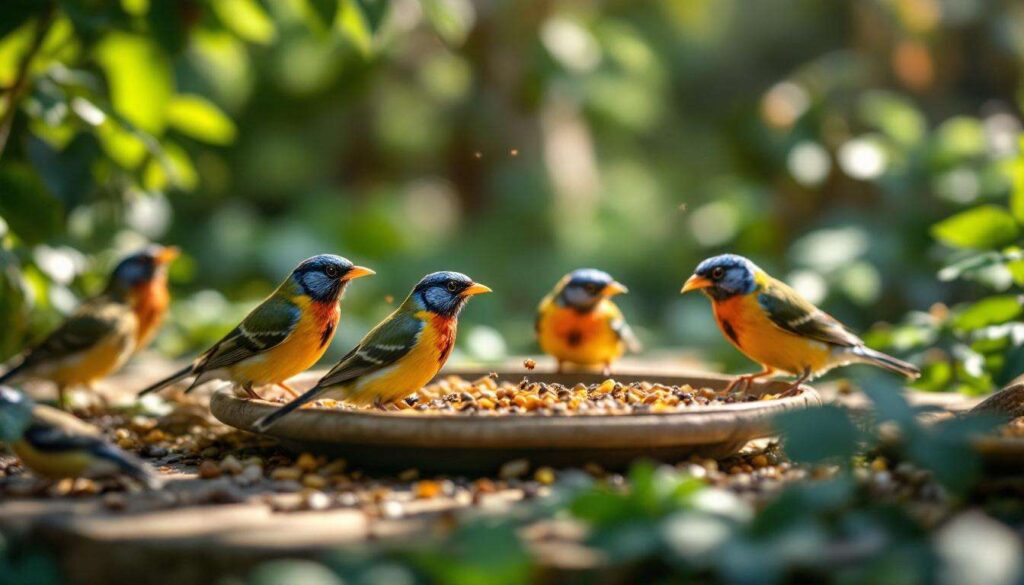
Seeds constitute the primary dietary staple for countless bird species, from finches and sparrows to tits and buntings. Unlike insects or fruit, seeds remain available year-round in various forms, providing consistent nutrition when other food sources vanish. Their concentrated energy content, derived from oils and carbohydrates, fuels the demanding metabolic rates that enable flight, thermoregulation, and reproduction.
Nutritional composition of seeds
Different seeds deliver distinct nutritional profiles, each suited to particular avian needs:
- Sunflower seeds: rich in oils and protein, supporting energy-intensive activities
- Nyjer seeds: high in fat content, ideal for small finches with rapid metabolisms
- Millet: easily digestible carbohydrates for ground-feeding species
- Hemp seeds: balanced protein and omega fatty acids for plumage health
Research from the British Trust for Ornithology demonstrates that gardens providing diverse seed types host 35 per cent more bird species than those offering single-variety feeders. This diversity mirrors natural ecosystems where birds evolved to exploit multiple seed sources across seasons.
Seeds versus alternative foods
| Food type | Energy density | Year-round availability | Storage ease |
|---|---|---|---|
| Seeds | High | Excellent | Very good |
| Insects | Medium | Seasonal | Poor |
| Fruit | Low | Seasonal | Poor |
| Suet products | Very high | Good | Good |
Whilst suet provides excellent winter calories, seeds offer superior versatility across species and seasons, making them indispensable for comprehensive garden feeding strategies. Beyond nutrition, seeds also support natural foraging behaviours that maintain physical and cognitive health in wild birds.
How specific seeds influence their survival
The relationship between seed type and survival extends beyond simple calorie provision. Certain seeds contain micronutrients and compounds that directly influence immune function, feather quality, and reproductive success.
Black sunflower seeds and overwinter survival
Black sunflower seeds, with their thin shells and high oil content, require minimal energy to crack whilst delivering maximum calories. Studies tracking blue tits fitted with radio transmitters reveal that individuals with regular access to black sunflower seeds maintain body weight 12 per cent higher during January and February compared to those relying solely on natural food sources. This buffer proves critical during prolonged cold snaps when foraging becomes energetically expensive.
Nyjer seeds for specialist feeders
Goldfinches, siskins, and redpolls possess delicate beaks adapted for extracting small seeds from teasels and other wild plants. Nyjer seeds replicate this natural food source, providing:
- Eighteen per cent protein content for muscle maintenance
- Thirty-five per cent oil content for energy reserves
- Essential linoleic acid for plumage waterproofing
Gardens offering nyjer in specialist feeders report goldfinch populations up to five times higher than neighbouring properties without this provision, demonstrating its role as a population-limiting resource.
Seed size and beak morphology
Evolutionary adaptations mean different species extract nutrition most efficiently from specific seed sizes. Chaffinches excel at manipulating medium seeds like wheat and oats, whilst dunnocks prefer tiny millet scattered on the ground. Providing a range of seed sizes ensures no species faces exclusion from supplementary feeding, supporting community-level biodiversity rather than favouring dominant species alone. This consideration becomes particularly important as climate change alters the timing and abundance of natural seed crops.
Common mistakes in feeding birds
Despite good intentions, several widespread practices undermine the benefits of garden bird feeding, sometimes causing more harm than good.
Offering inappropriate seed mixtures
Many commercial seed blends contain cheap filler ingredients that birds reject, including:
- Split peas and lentils that few species consume
- Wheat and barley that attract pest species like pigeons
- Oats that quickly spoil in damp conditions
These unwanted seeds accumulate beneath feeders, creating mould growth and attracting rodents. Investing in species-specific mixes or single-seed-type feeders eliminates waste whilst targeting the birds you wish to support.
Irregular feeding schedules
Birds incorporate reliable food sources into their daily foraging circuits, expending energy to visit feeders they expect to be stocked. Sporadic refilling forces birds to waste calories checking empty feeders, potentially compromising survival during critical periods. Establishing a consistent routine, even if offering smaller quantities daily rather than large amounts weekly, allows birds to budget their energy expenditure efficiently.
Poor feeder hygiene
| Hygiene issue | Health consequence | Prevention frequency |
|---|---|---|
| Mouldy seeds | Aspergillosis infection | Weekly cleaning |
| Faecal contamination | Salmonella transmission | Fortnightly disinfection |
| Stagnant water | Trichomonosis spread | Daily refreshing |
Disease outbreaks at garden feeders can decimate local populations, particularly amongst gregarious species like greenfinches. Regular cleaning with veterinary-grade disinfectant and thorough drying before refilling represents a non-negotiable responsibility for anyone providing supplementary food.
The impact of seasons on birds’ dietary needs
Avian nutritional requirements fluctuate dramatically throughout the year, driven by breeding demands, moult cycles, and thermoregulation challenges. Adapting seed provision to these changing needs maximises the conservation benefit of garden feeding.
Spring and breeding season demands
From March through July, adult birds face the enormous energetic cost of egg production, incubation, and chick rearing. Protein requirements soar, yet many species that primarily feed nestlings on insects still rely on seeds for their own sustenance. High-protein seeds like:
- Sunflower hearts (twenty-four per cent protein)
- Hemp seeds (twenty-five per cent protein)
- Peanut granules (twenty-six per cent protein)
enable parent birds to maintain condition whilst undertaking multiple foraging trips daily. Research indicates that supplementary feeding during breeding increases clutch sizes by an average of 0.8 eggs and improves fledgling survival rates by 15 per cent.
Autumn preparation and fat accumulation
As daylight hours shorten, resident birds enter a critical fattening period to build reserves for winter. Migratory species require even greater fat stores, with some small warblers doubling their body weight before embarking on transoceanic journeys. Oil-rich seeds become particularly valuable during September and October, when natural seed crops may not yet have ripened fully. Gardens positioned along traditional migration routes serve as vital refuelling stations when stocked with high-energy seeds.
Winter survival challenges
Cold temperatures force birds to burn calories simply maintaining body heat, whilst short days limit foraging time. A single winter night can consume ten per cent of a small bird’s body weight in fat reserves. Seeds with maximum calorie density per unit weight become essential:
| Seed type | Calories per 100g | Winter suitability |
|---|---|---|
| Black sunflower | 584 | Excellent |
| Nyjer | 550 | Excellent |
| Peanuts | 567 | Very good |
| Millet | 378 | Moderate |
Providing these energy-dense options throughout December to February can mean the difference between survival and starvation for garden birds facing extended freezing conditions.
Helping our birds: which seeds to prioritise
With limited budgets and feeder space, prioritising seeds that deliver maximum conservation impact ensures resources benefit the widest range of species most effectively.
Essential seeds for every garden
Three seed types form the foundation of any comprehensive feeding programme:
- Black sunflower seeds: attract the greatest species diversity, from tits and finches to nuthatches and woodpeckers
- Sunflower hearts: eliminate shell waste, suit all beak types, and provide premium nutrition
- Nyjer seeds: specifically support declining finch populations that struggle to find natural food
These three options, distributed across different feeder types and heights, cater to arboreal, shrub-dwelling, and ground-feeding species, maximising garden biodiversity.
Supplementary seeds for specialist species
Once core provision is established, additional seeds can target conservation priority species:
- Millet scattered on the ground for dunnocks, wrens, and song thrushes
- Hemp seeds for bullfinches and hawfinches
- Crushed peanuts for treecreepers and lesser spotted woodpeckers
Monitoring which species visit allows adaptive management, adjusting seed types to support local populations most in need.
Quality considerations and sourcing
Seed quality varies enormously between suppliers, with cheap products often containing high proportions of dust, broken fragments, and contamination. Premium seeds cost more per kilogram but deliver superior value through:
- Higher nutritional content from proper storage
- Lower waste rates as birds consume more
- Reduced disease risk from better hygiene standards
Purchasing from specialist bird food suppliers rather than general pet shops typically ensures freshness and appropriate storage conditions that preserve seed viability.
The future of biodiversity through suitable feeding
As natural habitats continue fragmenting and intensive agriculture eliminates wild seed sources, garden feeding networks increasingly function as essential components of landscape-scale conservation strategies.
Gardens as ecological corridors
The United Kingdom’s 16 million gardens collectively cover more area than all National Nature Reserves combined. When these spaces provide appropriate seed resources, they create interconnected habitat patches that enable birds to persist in otherwise inhospitable urban and agricultural landscapes. Research using GPS tracking demonstrates that blue tits in well-provisioned garden networks maintain 30 per cent larger territories and successfully raise more offspring than those in areas with sparse feeding.
Citizen science and adaptive conservation
Large-scale feeding programmes like the British Trust for Ornithology’s Garden BirdWatch generate invaluable population data that inform national conservation priorities. Participants who record which species visit, and which seeds they prefer, contribute to understanding how supplementary feeding influences:
- Range expansions of southern species moving north with climate change
- Population stability of declining farmland birds
- Survival rates during extreme weather events
This democratisation of conservation empowers individuals to make evidence-based decisions about their feeding practices whilst contributing to scientific understanding.
Balancing intervention with natural processes
Concerns persist that supplementary feeding might create dependency or alter natural selection. However, current evidence suggests that thoughtful seed provision supplements rather than replaces natural foraging, with birds typically obtaining only 25 to 40 per cent of daily calories from feeders. The key lies in offering nutritionally appropriate seeds that mirror natural food sources rather than artificial alternatives that might compromise health. As biodiversity continues declining, the precautionary principle suggests that well-managed feeding programmes represent a crucial safety net for species struggling to adapt to rapid environmental change.
The seeds scattered across garden feeders represent far more than simple bird food; they embody a lifeline for species navigating an increasingly challenging world. By understanding nutritional needs, avoiding common pitfalls, adapting provision to seasonal demands, and prioritising evidence-based seed choices, every garden can become a sanctuary supporting avian biodiversity. The collective impact of millions of feeders, each stocked with appropriate seeds and maintained with care, creates a distributed conservation network that may ultimately determine whether future generations inherit skies filled with birdsong or silent gardens marked by absence. The power to shape that future rests in choices made daily at feeders across the nation.