



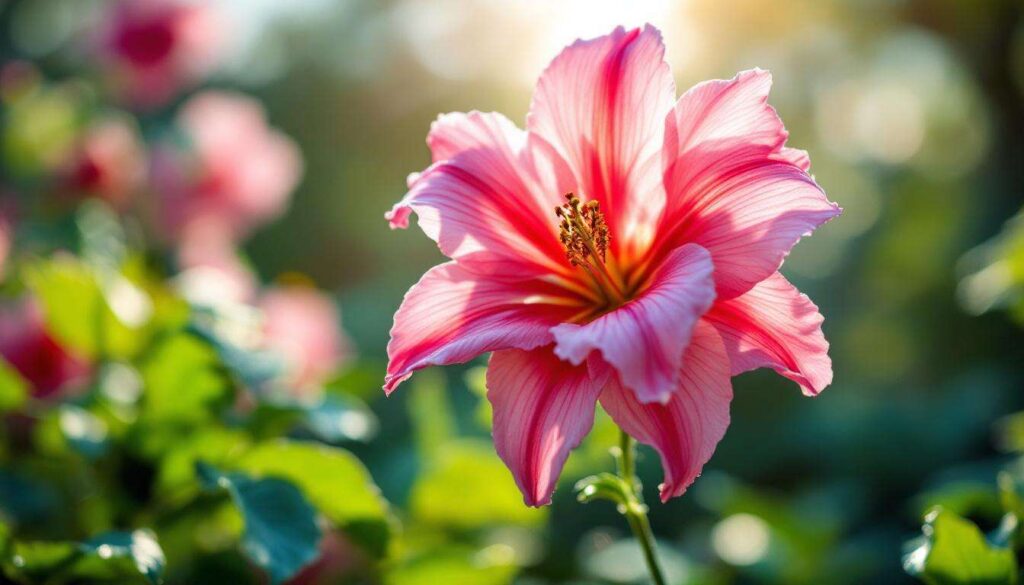
Gardens often lie dormant during the colder months, yet savvy horticulturists know that November presents a unique opportunity to introduce exceptional specimens that few consider. The winter-flowering hellebore, particularly the rare Helleborus niger ‘HGC Josef Lemper’, stands as a botanical treasure that defies conventional gardening wisdom. This remarkable perennial not only survives but thrives when planted during autumn’s final weeks, offering blooms when most gardens surrender to winter’s grip. Beyond its aesthetic appeal, this extraordinary plant carries significant financial potential for those willing to embrace its cultivation.
Discovering the rare November flower
The hellebore’s distinctive characteristics
The winter-flowering hellebore represents a genus of approximately twenty species, with the rare cultivars commanding particular attention amongst collectors and garden enthusiasts. These plants produce stunning cup-shaped flowers ranging from pure white to deep burgundy, often with intricate veining and contrasting stamens. The leathery, evergreen foliage provides year-round structure whilst the blooms emerge precisely when gardens need them most.
What makes certain varieties exceptionally rare
Several factors contribute to a hellebore’s rarity and subsequent value:
- Limited propagation success rates, particularly for double-flowered varieties
- Slow growth cycles requiring three to five years to reach maturity
- Specific genetic mutations producing unique colour combinations
- Restricted geographical distribution of certain wild species
- Difficulty in maintaining pure breeding lines
The most sought-after specimens include the double-flowered picotee forms, which feature petals edged in contrasting colours, and the near-black varieties that achieve prices exceeding £50 per established plant. Understanding these characteristics helps gardeners appreciate why November planting proves essential for these botanical gems.
Why plant this flower in November ?
Optimal root establishment conditions
November provides ideal soil temperatures for hellebore root development, typically ranging between 7°C and 12°C. During this period, the ground retains residual warmth from summer whilst moisture levels increase, creating perfect conditions for root growth without the stress of supporting active foliage or flowers. This establishment period proves crucial for the plant’s long-term success and flowering potential.
Seasonal advantages for winter bloomers
Planting during November allows hellebores to:
- Develop extensive root systems before winter’s harshest conditions
- Acclimate gradually to their new environment
- Synchronise their natural flowering cycle with the garden’s rhythm
- Benefit from autumn rainfall without waterlogging risks
- Avoid transplant shock that spring planting often causes
The timing also means gardeners can witness the plant’s first blooms within weeks of planting, providing immediate gratification whilst the root system continues developing beneath the surface. This strategic approach to cultivation naturally leads to considerations of the financial rewards such planning can yield.
The economic benefits of cultivation
Market value of rare hellebore specimens
The commercial potential of rare hellebores has increased substantially, with collectors and garden centres paying premium prices for quality specimens. The following table illustrates current market values:
| Plant Type | Age | Average Price |
|---|---|---|
| Standard single-flowered | 2-year plant | £12-18 |
| Named double varieties | 3-year plant | £35-55 |
| Rare picotee forms | 4-year plant | £60-95 |
| Exhibition-quality specimens | 5+ years | £100-200 |
Propagation and division opportunities
Established hellebores offer multiple revenue streams through careful management. After three years, mature plants can be divided, creating several saleable specimens from a single parent plant. Seeds from rare varieties, whilst not guaranteed to produce identical offspring, still command prices between £3 and £8 per packet. Serious cultivators report annual returns exceeding £500 from a modest collection of twenty parent plants, with minimal ongoing investment required beyond basic maintenance.
Long-term investment potential
Unlike annual flowers requiring yearly replacement, hellebores appreciate in value as they mature, making them genuine horticultural investments. A well-maintained specimen increases in size, flowering capacity, and market value annually, whilst requiring progressively less intensive care. This economic model attracts both hobbyist gardeners and small-scale commercial growers seeking sustainable income streams. Realising these financial benefits, however, depends entirely on proper establishment techniques.
Tips for successful planting
Site selection and soil preparation
Hellebores demand specific growing conditions to achieve their full potential. Select locations offering dappled shade, particularly protection from intense afternoon sun, whilst ensuring adequate air circulation to prevent fungal issues. The ideal site provides shelter from harsh winds yet avoids complete shade, which reduces flowering.
Soil preparation requires attention to:
- pH levels between 7.0 and 7.5 for optimal nutrient uptake
- Excellent drainage to prevent root rot
- Rich organic matter content, ideally 30-40% by volume
- Incorporation of horticultural grit in heavy clay soils
- Addition of bone meal for sustained phosphorus availability
Planting technique and spacing
When planting in November, position hellebores at the same depth they occupied in their containers, ensuring the crown sits just below the soil surface. Space plants 45-60 centimetres apart to accommodate mature spread whilst allowing air circulation. Water thoroughly after planting, then apply a 5-centimetre mulch layer of leaf mould or well-rotted compost, keeping material away from the crown itself. This approach establishes plants securely whilst setting the stage for ongoing care routines that maximise their potential.
Maintaining your flower to maximise its potential
Watering and feeding requirements
Despite their hardy reputation, hellebores benefit from consistent moisture management, particularly during their first year. Water weekly during dry spells, providing approximately 2-3 centimetres of water per session. Apply a balanced slow-release fertiliser in early spring, supplemented with liquid seaweed feed monthly during the growing season. Avoid high-nitrogen formulations that promote foliage at the expense of flowers.
Pruning and deadheading practices
Remove old foliage in late autumn before flower buds emerge, improving air circulation and reducing disease pressure. Deadhead spent flowers unless seed collection is desired, redirecting energy into root and foliage development. This maintenance routine requires minimal time investment yet significantly impacts plant vigour and subsequent flowering performance.
Pest and disease management
Common challenges include:
- Hellebore leaf spot, managed through removal of affected foliage
- Aphid infestations on new growth, controlled with insecticidal soap
- Vine weevil larvae attacking roots, prevented through biological controls
- Botrytis in excessively humid conditions, reduced by adequate spacing
Regular monitoring and prompt intervention preserve both plant health and market value, whilst these careful stewardship practices also contribute to broader ecological benefits.
Impact on the environment and biodiversity
Supporting winter pollinators
Hellebores provide crucial nectar sources when few other flowers bloom, supporting bumblebee queens emerging from hibernation and other early-season pollinators. Their flowers remain accessible even during mild winter days, offering sustenance that directly impacts pollinator survival rates and subsequent population health throughout the growing season.
Contribution to sustainable gardening
These perennials embody sustainable horticulture principles through their longevity, minimal water requirements once established, and resistance to most pests without chemical intervention. Their evergreen foliage prevents soil erosion whilst contributing organic matter as lower leaves naturally decompose. Choosing hellebores over annual bedding plants reduces carbon footprints associated with yearly production, transportation, and disposal cycles.
The rare November-flowering hellebore represents more than mere horticultural curiosity. Its combination of winter beauty, financial potential, and ecological benefits creates compelling reasons for inclusion in contemporary gardens. Proper November planting establishes these remarkable plants for decades of reliable performance, transforming both garden aesthetics and potentially contributing meaningful supplementary income. The investment of time and resources proves modest compared to the multifaceted returns these exceptional perennials deliver, making them worthy additions to any thoughtful gardening strategy.