


Transforming discarded plastic bottles into a thriving indoor garden represents one of the most accessible and sustainable approaches to growing fresh vegetables at home. This innovative method combines environmental consciousness with practical food production, allowing urban dwellers and those with limited outdoor space to cultivate their own produce year-round. By repurposing materials destined for landfill and harnessing the efficiency of hydroponic systems, anyone can create a productive vegetable patch right on their windowsill. The process requires minimal investment, basic tools, and a willingness to experiment with this soil-free growing technique that has gained popularity amongst eco-conscious gardeners worldwide.
Introduction to hydroponic gardening
Understanding the fundamentals of soil-free cultivation
Hydroponics represents a revolutionary approach to plant cultivation that eliminates the need for traditional soil-based growing methods. Instead, plants receive their nutrients through a carefully balanced water solution that delivers essential minerals directly to the root systems. This method offers significantly faster growth rates compared to conventional gardening, as plants expend less energy searching for nutrients and can focus their resources on producing foliage, flowers, and fruit.
The science behind hydroponics relies on providing plants with optimal conditions for photosynthesis and growth. By controlling the nutrient concentration, pH levels, and water availability, gardeners can create an environment where plants thrive with remarkable efficiency. This precision approach minimises waste whilst maximising productivity, making it particularly suitable for small-scale indoor operations.
Advantages of windowsill hydroponic systems
Creating a hydroponic garden on a windowsill offers numerous practical benefits that make it an attractive option for modern households:
- Space efficiency: vertical arrangements maximise limited areas
- Year-round production: indoor environments protect plants from seasonal variations
- Reduced water consumption compared to traditional gardening methods
- Elimination of soil-borne pests and diseases
- Easy monitoring and maintenance of growing conditions
The controlled indoor environment allows for consistent harvests regardless of external weather conditions, providing fresh produce even during winter months when outdoor gardens lie dormant. This reliability makes hydroponic systems particularly valuable for those seeking food security and self-sufficiency.
With these foundational concepts established, the practical implementation requires gathering appropriate materials and containers for your system.
Required materials: bottles and other tools
Selecting appropriate plastic bottles
The choice of plastic bottles forms the foundation of your hydroponic garden. PET bottles ranging from 1.5 to 2 litres work exceptionally well, providing adequate space for root development whilst remaining manageable in size. Clear bottles allow for easy monitoring of water levels and root health, though some gardeners prefer opaque containers to prevent algae growth in the nutrient solution.
When selecting bottles, ensure they are thoroughly cleaned and free from residual contents. Avoid bottles that previously contained harmful chemicals or substances that could leach into your growing system. The structural integrity of the bottle is crucial, as it must support the weight of the growing medium and plant throughout the cultivation period.
Essential tools and additional supplies
| Item | Purpose | Approximate Cost |
|---|---|---|
| Sharp scissors or craft knife | Cutting bottles | £3-8 |
| Hydroponic nutrient solution | Plant feeding | £8-15 |
| Growing medium (clay pebbles/perlite) | Root support | £5-12 |
| pH testing kit | Water quality monitoring | £6-10 |
| String or wire | Hanging system | £2-5 |
Beyond these basics, consider investing in a simple light metre to assess whether your chosen window provides sufficient illumination for photosynthesis. Most vegetables require at least six hours of bright light daily, though leafy greens can tolerate slightly lower levels.
Once you have assembled these materials, the transformation of ordinary bottles into functional growing containers can begin.
Steps for preparing plastic bottles
Cutting and configuring the bottle structure
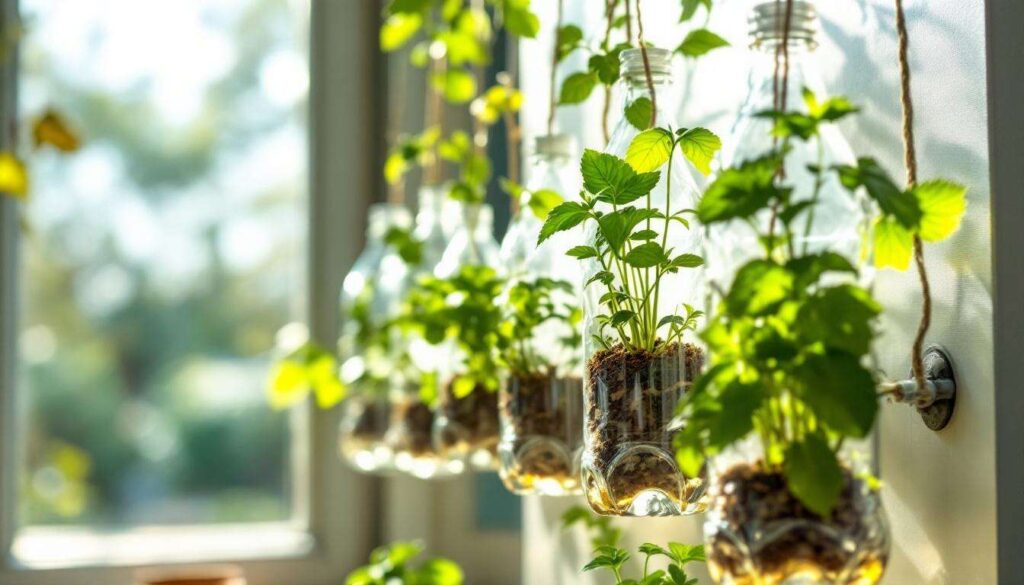
The preparation process begins by creating a two-part system from each bottle. Using sharp scissors or a craft knife, carefully cut the bottle approximately one-third down from the top. The upper section, with the cap removed, will serve as the planting container, whilst the lower portion functions as the nutrient reservoir. This inverted configuration allows the plant roots to access the water solution whilst the growing medium remains separate.
Create several small drainage holes in the bottle cap or around the neck of the inverted top section. These perforations enable roots to extend into the nutrient solution whilst preventing the growing medium from falling through. The size and number of holes depend on your chosen growing medium, with clay pebbles requiring larger openings than finer materials like perlite.
Assembling the hydroponic unit
Position the inverted top section inside the bottom reservoir, ensuring the neck extends into the water without touching the base. This gap allows for air circulation around the roots, preventing rot and promoting healthy development. The assembly should be stable enough to support a mature plant whilst remaining easy to disassemble for maintenance and harvesting.
For vertical arrangements, punch holes near the top of each bottle section to thread string or wire through, creating a hanging system that maximises window space. Ensure the suspension method can bear the weight of the filled container, as water and growing medium add considerable mass to the structure.
With your containers properly prepared, attention turns to selecting appropriate plant varieties for this growing system.
Choosing plants suitable for hydroponics
Ideal vegetables for bottle systems
Not all vegetables adapt equally well to small-scale hydroponic systems. Leafy greens and herbs represent the most successful choices for bottle gardens, offering rapid growth and continuous harvests. These plants have relatively modest root systems that thrive in confined spaces whilst producing abundant foliage.
Recommended varieties include:
- Lettuce: butterhead and loose-leaf varieties mature in 4-6 weeks
- Spinach: nutrient-dense leaves ready for harvest within 5 weeks
- Rocket (arugula): peppery greens that regrow after cutting
- Basil: aromatic herb perfect for culinary use
- Coriander: fast-growing with distinctive flavour
- Spring onions: utilise vertical space efficiently
Plants to avoid in limited systems
Certain vegetables prove impractical for bottle-based hydroponics due to their size, root requirements, or growth habits. Large fruiting plants like tomatoes and cucumbers demand extensive root space and structural support beyond what bottle systems can provide. Root vegetables such as carrots and potatoes require soil depth for proper development and are therefore unsuitable for this method.
Plants with aggressive root systems may quickly outgrow the available space, leading to stunted growth and poor yields. Focus on compact varieties specifically bred for container growing to ensure success with your limited-space system.
Having selected appropriate plants, maintaining optimal growing conditions becomes the priority for successful cultivation.
Managing and maintaining your mini hydroponic garden
Nutrient solution management
The nutrient solution serves as the lifeblood of your hydroponic system, requiring careful monitoring and regular adjustment. Mix commercial hydroponic nutrients according to manufacturer instructions, typically diluting concentrated solutions with water to achieve the proper strength. Different growth stages require varying nutrient concentrations, with seedlings needing weaker solutions than mature plants.
Check and refill the reservoir every 3-5 days, depending on plant size and environmental conditions. Complete solution changes should occur every two weeks to prevent salt accumulation and maintain nutrient balance. Always use room-temperature water to avoid shocking plant roots, and consider allowing tap water to stand overnight to dissipate chlorine.
Environmental control and problem-solving
| Parameter | Optimal Range | Adjustment Method |
|---|---|---|
| pH Level | 5.5-6.5 | pH up/down solutions |
| Temperature | 18-24°C | Window positioning |
| Light Duration | 12-16 hours | Supplemental LED lighting |
| Humidity | 50-70% | Ventilation adjustment |
Monitor plants daily for signs of deficiency or disease. Yellowing leaves may indicate nitrogen deficiency, whilst brown leaf edges suggest salt accumulation or pH imbalance. Address issues promptly by adjusting nutrient concentration or performing a complete solution change.
Beyond the immediate cultivation benefits, this gardening method offers broader advantages worth considering.
Environmental and economic benefits of home hydroponics
Reducing plastic waste and carbon footprint
Repurposing plastic bottles for hydroponic gardening directly addresses the global plastic waste crisis by giving single-use containers extended functionality. Each bottle diverted from landfill or recycling streams represents a small but meaningful contribution to environmental conservation. When multiplied across thousands of households, this practice significantly reduces plastic waste whilst creating productive growing spaces.
Growing food at home eliminates transportation emissions associated with commercial agriculture. Vegetables travel an average of 1,500 miles from farm to table in conventional supply chains, generating substantial carbon emissions. Windowsill gardens reduce this distance to zero, providing the freshest possible produce with minimal environmental impact.
Financial savings and food security
The economic advantages of home hydroponics extend beyond the initial low setup cost. A single bottle system costing under £5 to establish can produce continuous harvests of leafy greens worth £20-30 annually at supermarket prices. The return on investment becomes apparent within the first few harvests, with ongoing costs limited to occasional nutrient solution purchases.
Home food production enhances household food security by providing reliable access to fresh vegetables regardless of supply chain disruptions or price fluctuations. This self-sufficiency proves particularly valuable during economic uncertainty or seasonal shortages of specific produce items.
Transforming empty plastic bottles into productive hydroponic gardens represents a practical fusion of environmental responsibility and sustainable living. This accessible method enables anyone with a sunny window to cultivate fresh vegetables year-round, reducing waste whilst enhancing food security. The modest investment in materials and time yields continuous harvests of nutritious greens, demonstrating that innovative solutions to modern challenges often emerge from simple, repurposed resources. By embracing this approach, gardeners contribute to environmental conservation whilst enjoying the satisfaction of home-grown produce.