


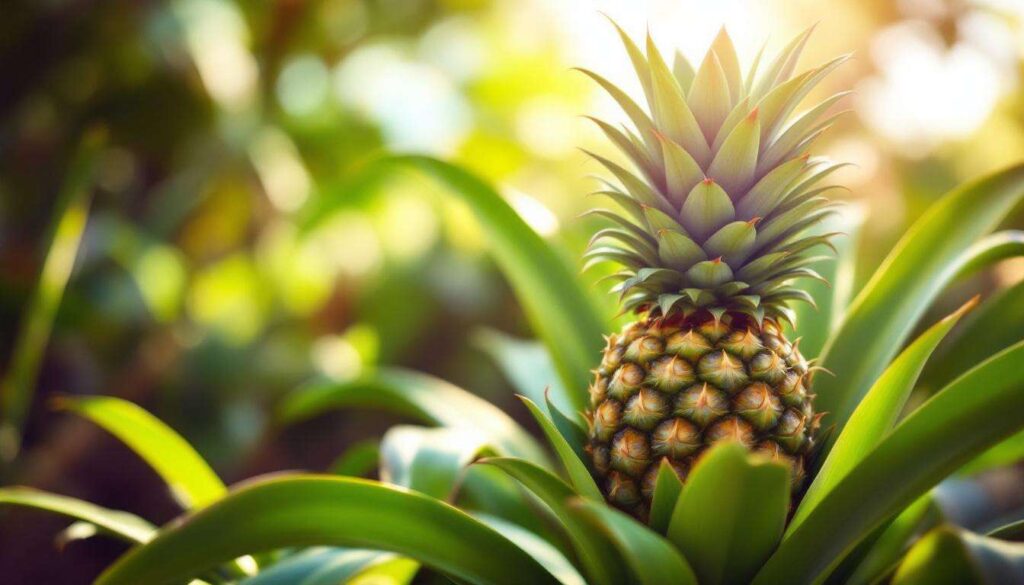
Transforming a pineapple top into a thriving plant represents one of the most accessible and gratifying gardening projects available to enthusiasts. This tropical fruit, typically associated with exotic locations, can flourish in domestic settings with proper care and attention. Whether residing in a flat with limited outdoor space or maintaining a sprawling garden, cultivating pineapples from crowns offers a unique opportunity to engage with sustainable practices whilst enjoying the satisfaction of harvesting homegrown produce. The process demands patience and dedication, yet the rewards extend beyond mere fruit production to encompass aesthetic enhancement and educational value.
The secrets of growing home pineapples
Understanding the biological process
Pineapple cultivation from crowns relies on vegetative propagation, a method whereby the plant regenerates from a portion of its parent structure. The crown contains dormant root buds that, when provided with appropriate conditions, develop into a fully functional root system. This natural regeneration capacity makes pineapples particularly suitable for home cultivation, as the process bypasses the complexities associated with seed germination.
Benefits of domestic pineapple cultivation
Growing pineapples at home delivers numerous advantages that extend beyond simple fruit production:
- Economic savings: reducing expenditure on shop-bought tropical fruits
- Nutritional assurance: guaranteed pesticide-free produce rich in vitamins C and B6
- Decorative value: architectural foliage providing year-round visual interest
- Educational opportunity: teaching children about plant biology and patience
- Environmental contribution: reducing carbon footprint associated with imported fruits
Realistic expectations for home growers
Prospective cultivators must understand that pineapple maturation requires considerable time. From planting to harvest, the process typically spans 18 to 24 months, with some varieties requiring up to three years. The resulting fruit generally measures smaller than commercial specimens, averaging 10-15 centimetres in height. However, the flavour intensity often surpasses shop-bought alternatives due to optimal ripening on the plant.
| Growth Stage | Duration | Key Characteristics |
|---|---|---|
| Root establishment | 2-3 months | New leaf growth appears |
| Vegetative growth | 12-16 months | Rosette expands significantly |
| Flowering initiation | 2-3 months | Central flower spike emerges |
| Fruit development | 5-6 months | Pineapple matures and sweetens |
Understanding these fundamental aspects prepares gardeners for the journey ahead, establishing realistic timelines and expectations that enhance the overall experience.
Selecting and preparing the pineapple top
Choosing the ideal parent fruit
Success begins with selecting a healthy specimen from which to harvest the crown. The parent pineapple should exhibit vibrant green leaves without browning or yellowing at the tips, indicating vitality and disease resistance. The fruit’s skin should display a golden hue at the base whilst maintaining firmness throughout, suggesting optimal ripeness. Avoid pineapples with soft spots, mould, or insect damage, as these conditions may compromise the crown’s viability.
Crown removal techniques
Two primary methods facilitate crown extraction:
- Twisting method: grasp the crown firmly at its base and rotate whilst pulling upward until it separates from the fruit
- Cutting method: use a sharp knife to slice approximately 2-3 centimetres below the crown, then remove excess flesh
The twisting approach generally proves superior as it preserves more of the natural stem structure, which contains essential growth hormones. Regardless of method chosen, inspect the base for any remaining fruit flesh that requires removal.
Essential preparation steps
Proper preparation significantly influences rooting success. Remove the lower 5-7 rows of leaves by gently pulling them away from the stem, exposing approximately 3-4 centimetres of bare stem where roots will emerge. This exposed section should reveal small brown bumps, which represent dormant root primordia.
The drying phase proves absolutely critical for preventing bacterial and fungal infections. Position the prepared crown in a warm, well-ventilated location away from direct sunlight for 3-7 days. This curing period allows the cut surfaces to callus over, creating a protective barrier against pathogens once planting occurs.
With the crown properly selected and prepared, attention shifts to the planting process itself, where technique and timing determine establishment success.
Planting the top: techniques and tips
Container selection and soil composition
Choosing appropriate containers directly impacts drainage efficiency and root development. Pots should measure 15-20 centimetres in diameter initially, with drainage holes mandatory to prevent waterlogging. Terracotta containers offer superior breathability compared to plastic alternatives, though both function adequately with proper watering management.
Soil composition requires careful consideration, as pineapples demand excellent drainage whilst maintaining adequate moisture retention. The ideal mixture combines:
- 40% peat-free compost or coir
- 30% perlite or pumice
- 20% coarse sand
- 10% well-rotted compost
This blend mimics the pineapple’s native substrate whilst ensuring roots receive sufficient oxygen. Commercial cactus and succulent mixes provide acceptable alternatives when amended with additional organic matter.
Planting methodology
Fill the chosen container to within 3 centimetres of the rim with prepared soil mixture. Create a shallow depression in the centre and position the crown so that the exposed stem sits 2-3 centimetres deep, with the lowest remaining leaves just above the soil surface. Firm the soil gently around the base to provide stability without compacting excessively.
Initial watering requires a delicate balance: moisten the soil thoroughly but avoid saturation. The substrate should feel damp but not sodden to the touch. Some practitioners advocate placing a clear plastic bag over the crown to maintain humidity during establishment, though this proves unnecessary in most domestic environments.
Alternative rooting methods
Water rooting offers an alternative approach that allows observation of root development. Suspend the prepared crown in a container of water using toothpicks inserted into the stem, ensuring only the base contacts the liquid. Change the water every 2-3 days to prevent stagnation. Once roots reach 5-7 centimetres in length, transfer to soil using the method described above.
| Rooting Method | Advantages | Disadvantages |
|---|---|---|
| Direct soil planting | Simpler process, no transplant shock | Cannot observe root development |
| Water rooting | Visual confirmation of roots, engaging process | Requires transplanting, potential adaptation stress |
Regardless of chosen method, the planted crown now requires specific environmental conditions to thrive and develop into a productive specimen.
Optimal conditions for pineapple growth
Light requirements and positioning
Pineapples exhibit high light demands, requiring 6-8 hours of bright illumination daily for optimal growth. South-facing windowsills provide ideal locations in the Northern Hemisphere, whilst conservatories and sunrooms offer excellent alternatives. Insufficient light results in etiolated growth, with pale, elongated leaves lacking structural integrity.
During summer months, gradual acclimatisation allows outdoor placement in sheltered positions. However, avoid exposing plants to temperatures below 10°C, as cold damage manifests through leaf discolouration and growth cessation.
Temperature and humidity parameters
Pineapples thrive within a temperature range of 21-30°C, with growth slowing considerably below 18°C. Domestic heating systems generally maintain adequate warmth during winter, though positioning plants away from radiators prevents desiccation. Night-time temperature drops of 3-5°C prove beneficial, mimicking natural diurnal fluctuations.
Whilst pineapples tolerate average household humidity levels, maintaining relative humidity above 50% enhances growth rates and leaf quality. Strategies for increasing humidity include:
- Grouping multiple plants together to create a microclimate
- Placing containers on trays filled with pebbles and water
- Misting foliage during morning hours
- Employing humidifiers in particularly dry environments
Seasonal considerations
Growth patterns fluctuate throughout the year, with maximum development occurring during spring and summer when light intensity and duration peak. Winter dormancy, characterised by minimal new leaf production, represents a natural response to reduced environmental stimuli. Adjusting care routines to accommodate these seasonal variations optimises plant health and productivity.
Establishing optimal conditions forms merely one aspect of successful cultivation, as ongoing maintenance practices prove equally vital for long-term success.
Caring for pineapple plants
Irrigation management
Watering pineapples demands a balanced approach that prevents both drought stress and waterlogging. During active growth periods, water when the top 2-3 centimetres of soil feels dry to the touch, typically every 7-10 days. Reduce frequency during winter to once every 14-21 days, allowing the substrate to dry more thoroughly between applications.
Pineapples possess a unique central water reservoir formed by overlapping leaf bases. Fill this cup with rainwater or dechlorinated tap water, refreshing it weekly to prevent stagnation. This adaptation, evolved for capturing rainfall in natural habitats, supplements root uptake during dry periods.
Nutritional requirements
Pineapples exhibit modest fertiliser demands compared to many fruiting plants. Apply a balanced liquid fertiliser diluted to half strength every 4-6 weeks during the growing season. Formulations with equal nitrogen, phosphorus, and potassium ratios (such as 10-10-10) support healthy foliage development and eventual fruit production.
Avoid excessive nitrogen application, which promotes vegetative growth at the expense of flowering. As plants mature, transitioning to a bloom-boosting fertiliser with elevated phosphorus content encourages reproductive development.
Pest and disease management
Pineapples demonstrate remarkable resistance to most common houseplant pests, though occasional problems arise:
- Mealybugs: white, cotton-like insects clustering at leaf bases, controlled through manual removal or insecticidal soap application
- Scale insects: brown, shell-like pests adhering to leaves, treated similarly to mealybugs
- Root rot: fungal condition resulting from overwatering, prevented through proper drainage and watering discipline
Regular inspection enables early detection and intervention, preventing minor issues from escalating into serious problems that compromise plant health.
Repotting and size management
As pineapples mature, their expanding root systems eventually require larger containers. Repot every 12-18 months, increasing pot diameter by 5-7 centimetres each time. This gradual progression prevents excessive soil volume, which retains moisture longer and increases rot risk.
Mature plants may reach 90-120 centimetres in diameter, necessitating space considerations. Pruning proves impractical due to the plant’s growth habit, so ensure adequate room exists for full development before commencing cultivation.
With consistent care and attention, plants eventually reach maturity and begin the fascinating process of fruit development.
Harvesting and enjoying your home-grown pineapple
Recognising maturity indicators
Determining optimal harvest timing requires observation of several key indicators. The fruit’s base transitions from green to golden-yellow, whilst the characteristic sweet aroma intensifies noticeably. Individual fruitlets comprising the pineapple’s surface flatten slightly, and the lowest leaves may begin yellowing naturally.
Gently squeeze the fruit: slight softness indicates readiness, whilst excessive firmness suggests additional ripening time remains necessary. Unlike shop-bought pineapples harvested prematurely for transport, home-grown specimens ripen fully on the plant, maximising sweetness and flavour complexity.
Harvesting technique
Use a sharp knife to cut the fruit from the plant, leaving approximately 2-3 centimetres of stem attached to the pineapple. This prevents damage to the parent plant, which often produces additional offsets called “pups” or “slips” that emerge from the base or along the stem. These offshoots provide propagation material for subsequent generations, creating a self-sustaining cycle of production.
Post-harvest plant management
Following fruit removal, the parent plant gradually declines over several months. However, the aforementioned pups develop into replacement specimens. Once these offsets reach 15-20 centimetres in height, carefully separate them from the parent using a clean, sharp knife and pot individually using the techniques described earlier.
| Offset Type | Location | Maturation Time |
|---|---|---|
| Crown | Fruit top | 18-24 months |
| Slips | Fruit stem | 15-18 months |
| Pups | Plant base | 12-15 months |
Utilising your harvest
Home-grown pineapples offer superior flavour profiles compared to commercial varieties, with enhanced sweetness and reduced acidity. Consume fresh, incorporate into smoothies, or use in cooking applications ranging from savoury dishes to desserts. The satisfaction derived from eating fruit cultivated through personal effort significantly exceeds that of shop-bought alternatives, validating the time and dedication invested throughout the growing process.
Growing pineapples from tops represents an accessible yet rewarding horticultural endeavour that transforms kitchen waste into productive plants. Success hinges upon selecting healthy crowns, providing appropriate growing conditions, and maintaining consistent care throughout the extended maturation period. Whilst patience proves essential, the eventual reward of harvesting homegrown tropical fruit justifies the wait. Beyond mere fruit production, the process offers educational value, aesthetic enhancement, and connection to sustainable practices. Whether undertaken as a solitary project or shared family activity, pineapple cultivation delivers satisfaction that extends far beyond the final harvest.