

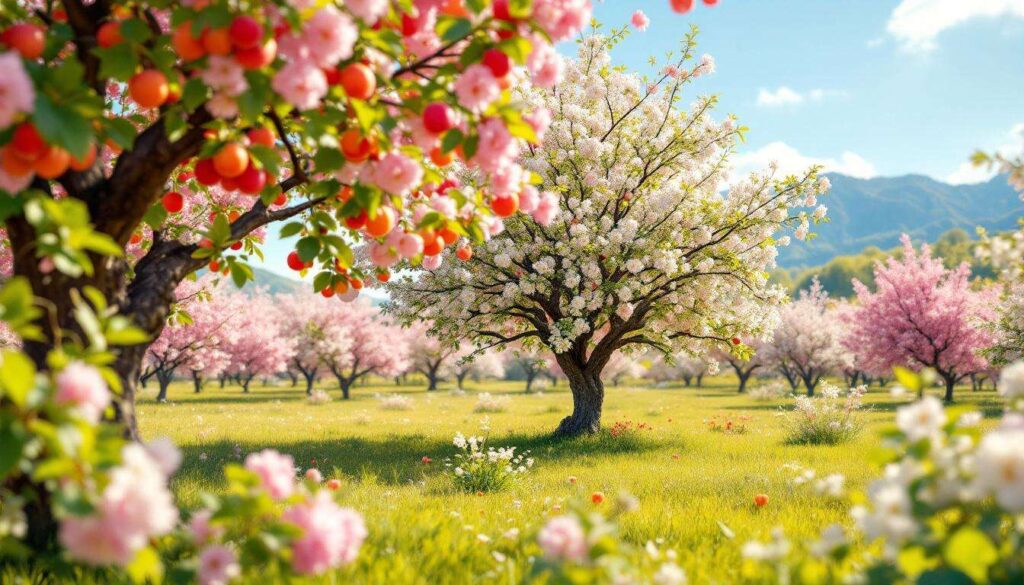
Experienced gardeners know that a flourishing spring orchard doesn’t happen by accident. It requires careful planning, strategic planting choices, and a deep understanding of how different elements work together to create a thriving ecosystem. From selecting the right fruit trees to incorporating companion plants that support pollination and pest control, every decision made during the preparation phase influences the orchard’s productivity throughout the growing season. The difference between a mediocre harvest and an abundant one often lies in the plantings that seasoned growers prioritise when spring approaches.
Preparing the orchard for spring
Assessing soil health and structure
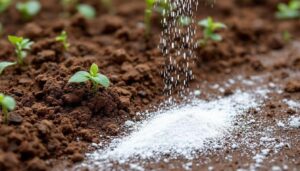
Before any planting begins, experienced gardeners conduct thorough soil assessments to determine nutrient levels, pH balance, and drainage capacity. This foundational step ensures that trees and plants receive the optimal growing conditions from the outset. Testing kits or professional analysis reveal deficiencies that can be corrected with organic amendments such as compost, well-rotted manure, or specific mineral supplements.
Soil structure plays an equally vital role in orchard success. Compacted soil restricts root development and water infiltration, whilst overly sandy soils drain too quickly and fail to retain essential nutrients. Addressing these issues through:
- Incorporating organic matter to improve texture and water retention
- Creating raised beds in areas with poor drainage
- Aerating compacted zones to encourage healthy root growth
- Mulching to maintain soil temperature and moisture levels
Clearing and planning the layout
A well-organised orchard layout maximises space efficiency whilst allowing adequate airflow between plants, which reduces disease pressure and improves pollination. Experienced growers remove dead wood, diseased branches, and competing vegetation before spring growth begins. They also map out planting positions, considering:
| Factor | Consideration |
|---|---|
| Sunlight exposure | Minimum six hours daily for fruit production |
| Tree spacing | Varies by rootstock and mature size |
| Pollination requirements | Compatible varieties within pollinator range |
| Access paths | Sufficient width for maintenance and harvest |
This groundwork creates the conditions necessary for selecting and positioning the most suitable fruit trees.
Selecting suitable fruit trees
Climate compatibility and hardiness zones
Choosing varieties adapted to local climate conditions represents one of the most critical decisions in orchard establishment. Experienced gardeners never gamble on marginally hardy varieties that may struggle through harsh winters or fail to accumulate sufficient chill hours. They select trees that have proven performance in their specific hardiness zone, ensuring reliable fruiting and long-term survival.
Key selection criteria include:
- Chill hour requirements matching local winter conditions
- Disease resistance to common regional pathogens
- Bloom timing that avoids late frost damage
- Drought tolerance for areas with limited summer rainfall
Rootstock selection for optimal performance
Whilst many novice gardeners focus solely on fruit variety, seasoned orchardists recognise that rootstock selection profoundly influences tree performance. Dwarfing rootstocks enable earlier fruiting and easier maintenance in smaller spaces, whilst vigorous rootstocks provide drought tolerance and anchorage in challenging sites. The rootstock also affects disease resistance, cold hardiness, and soil adaptability.
Matching rootstock characteristics to site conditions ensures that trees establish quickly and produce consistently. This attention to the foundation of each tree extends naturally to the supporting cast of plants that enhance orchard health.
The crucial role of shrubs
Early flowering shrubs for pollinator support
Experienced gardeners plant early flowering shrubs strategically throughout the orchard to provide nectar and pollen sources when fruit trees begin blooming. These shrubs attract and sustain pollinator populations during the critical spring period, ensuring effective cross-pollination and fruit set. Species such as flowering currants, pussy willow, and native berries bloom before many fruit trees, establishing active pollinator communities.
Benefits of incorporating early flowering shrubs include:
- Extended foraging opportunities for bees and beneficial insects
- Habitat provision for predatory insects that control pests
- Windbreak protection for delicate blossoms
- Visual interest and seasonal structure in the orchard landscape
Nitrogen-fixing shrubs for soil enrichment
Nitrogen-fixing shrubs such as sea buckthorn, autumn olive, and Siberian pea shrub contribute significantly to soil fertility without requiring synthetic fertilisers. These plants host bacteria in their root nodules that convert atmospheric nitrogen into forms accessible to neighbouring plants. Positioned along orchard edges or interspersed between fruit trees, they gradually improve soil nitrogen levels whilst providing additional benefits such as edible berries and wildlife habitat.
This biological approach to soil fertility complements the strategic use of companion plants that create balanced, self-sustaining ecosystems.
Companion plants for a balanced ecosystem
Ground covers that suppress weeds and retain moisture
Low-growing companion plants serve multiple functions in a well-managed orchard. White clover, creeping thyme, and strawberries create living mulches that suppress weed growth, moderate soil temperature, and reduce moisture evaporation. These plants also attract beneficial insects whilst their root systems improve soil structure without competing aggressively with fruit tree roots.
Effective ground cover selections share these characteristics:
- Shallow root systems that don’t compete with tree roots
- Tolerance for partial shade beneath tree canopies
- Ability to withstand occasional foot traffic during harvest
- Flowers that attract pollinators and predatory insects
Dynamic accumulators and nutrient cyclers
Plants such as comfrey, yarrow, and dandelion act as dynamic accumulators, drawing nutrients from deep soil layers and concentrating them in their foliage. When these plants are cut and left as mulch, they release accumulated minerals back to the soil surface where fruit tree feeder roots can access them. Experienced gardeners position these plants in guild arrangements around fruit trees, creating self-fertilising systems that reduce external input requirements.
| Plant | Primary nutrients accumulated | Additional benefits |
|---|---|---|
| Comfrey | Potassium, calcium, phosphorus | Deep roots break compaction |
| Yarrow | Copper, phosphorus, potassium | Attracts predatory wasps |
| Dandelion | Calcium, potassium, copper | Edible leaves and flowers |
These companion planting strategies work most effectively when combined with proper planting techniques that give each element the best possible start.
Planting techniques for improved growth
Proper hole preparation and root treatment
Experienced gardeners never rush the planting process. They dig holes two to three times wider than the root ball but no deeper than the root system’s height, avoiding the common mistake of planting too deeply. Before positioning the tree, they examine roots carefully, removing any damaged or circling roots that could restrict future growth. Bare-root trees receive particular attention, with roots spread naturally in all directions rather than cramped or bent.
Critical planting steps include:
- Soaking bare-root trees for several hours before planting
- Positioning the graft union above soil level
- Backfilling with native soil rather than amended mixes
- Creating a watering basin around the drip line
- Staking only when necessary and using flexible ties
Mulching strategies for establishment
Proper mulching dramatically improves establishment success by conserving moisture, moderating soil temperature, and suppressing weed competition. Experienced growers apply organic mulches such as wood chips, straw, or shredded leaves in a doughnut pattern, keeping material several inches away from the trunk to prevent rot and rodent damage. A mulch layer of 7-15 centimetres provides optimal benefits without creating anaerobic conditions.
As trees and companion plants establish, ongoing maintenance ensures continued productivity throughout the growing season.
Schedule of spring maintenance and care
Early spring tasks before bud break
The window before bud break offers crucial opportunities for maintenance tasks that become difficult or damaging once growth begins. Experienced gardeners complete dormant pruning, apply dormant oil sprays for pest control, and refresh mulch layers during this period. They also inspect trees for winter damage, removing broken branches and treating wounds appropriately.
Essential pre-bud break activities:
- Structural pruning to establish strong frameworks
- Removal of diseased or damaged wood
- Application of organic fertilisers or compost
- Installation of protective measures against wildlife damage
Post-planting monitoring and adjustment
After planting, regular monitoring allows early intervention when issues arise. Experienced gardeners check soil moisture weekly during the establishment period, adjusting watering based on weather conditions and soil type. They watch for signs of transplant stress, pest activity, or disease symptoms, addressing problems promptly before they escalate.
| Week after planting | Monitoring focus | Action required |
|---|---|---|
| 1-2 | Soil moisture, settling | Water deeply, adjust mulch |
| 3-4 | Bud break, leaf emergence | Monitor for pests, ensure adequate water |
| 5-8 | Growth rate, stress signs | Adjust watering, address deficiencies |
This systematic approach to spring orchard management, from initial soil preparation through ongoing care, represents the accumulated wisdom of experienced gardeners who understand that success depends on attention to detail at every stage. By selecting appropriate varieties, incorporating supportive companion plants and shrubs, employing proper planting techniques, and maintaining consistent care schedules, orchardists create productive ecosystems that reward their efforts with abundant harvests. The plantings and practices outlined here form the foundation of flourishing spring orchards that continue producing for years to come, demonstrating that thoughtful planning and execution yield results far superior to haphazard approaches.