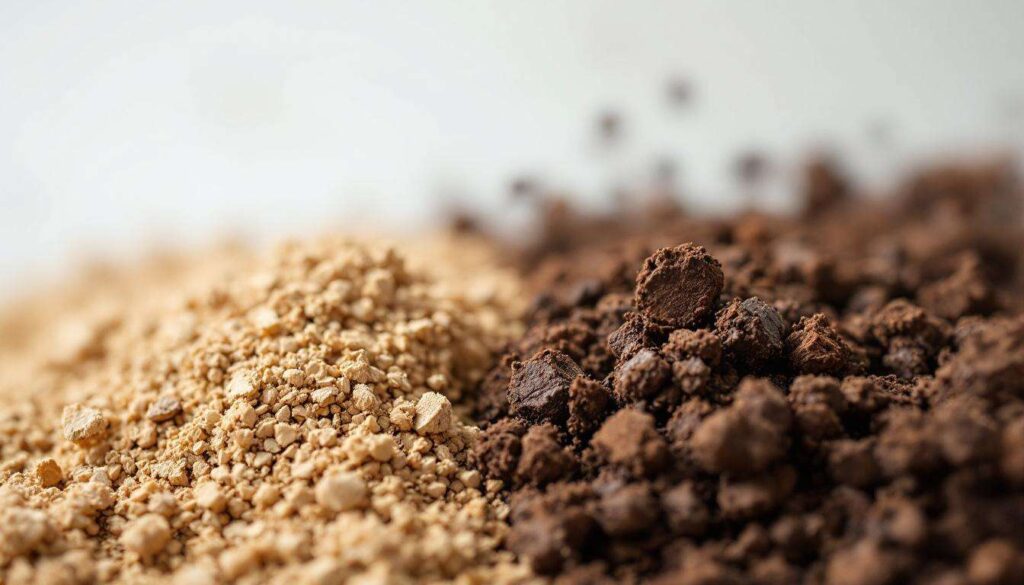
When you walk into a garden centre, the array of bagged growing mediums can be bewildering. Two products frequently cause confusion: potting mix and potting soil. Whilst many gardeners use these terms interchangeably, they represent fundamentally different products with distinct compositions and purposes. Understanding these differences is essential for anyone seeking to cultivate healthy container plants or establish thriving garden beds. The choice between these mediums can determine whether your plants flourish or struggle, making this knowledge particularly valuable for both novice and experienced gardeners.
Comprendre ce qu’est le terreau
What constitutes traditional potting soil
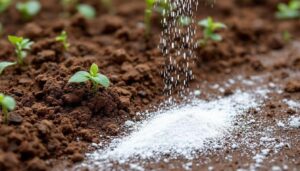
Potting soil represents a traditional growing medium that typically contains actual soil as a primary ingredient. This product combines natural earth with various organic materials to create a nutrient-rich environment suitable for plant growth. Unlike its counterpart, potting soil maintains a heavier composition due to the presence of genuine soil particles, which provide structural stability and long-term nutrient availability.
The fundamental composition of potting soil includes:
- Natural topsoil or garden soil as the base ingredient
- Composted organic matter for nutrient enrichment
- Sand or similar materials to improve texture
- Fertilisers to boost initial nutrient levels
Historical context and traditional applications
Historically, gardeners relied exclusively on soil-based mediums because they mimicked the natural growing environment plants experienced outdoors. This conventional approach worked adequately for many applications, particularly in larger containers and garden beds where weight wasn’t a concern. The nutrient density of potting soil made it especially valuable for established plants requiring sustained feeding over extended periods.
However, the presence of actual soil introduces certain challenges, particularly regarding drainage and weight, which led horticulturists to develop alternative formulations better suited to container cultivation.
Différence entre terreau et substrat
The soilless revolution in container gardening
The most significant distinction between potting mix and potting soil lies in the absence of actual soil in potting mixes. This soilless formulation represents a deliberate engineering approach to address the specific challenges of container gardening. Potting mixes utilise carefully selected ingredients that provide superior drainage, aeration, and moisture management without the complications associated with traditional soil.
| Characteristic | Potting Mix | Potting Soil |
|---|---|---|
| Soil content | None | Contains actual soil |
| Weight | Lightweight | Heavier |
| Drainage | Excellent | Moderate to poor |
| Compaction risk | Minimal | Higher |
| Primary use | Container plants | Beds and larger containers |
Functional advantages of soilless formulations
Potting mixes excel in container environments because they maintain consistent structure over time. Unlike soil-based products, they resist compaction, ensuring that plant roots continue receiving adequate oxygen throughout the growing season. This structural integrity proves particularly crucial for long-term container plantings where medium degradation can compromise plant health.
These fundamental differences in composition directly influence the specific ingredients manufacturers select for each product type.
Les composants du potting mix
Primary ingredients and their functions
Modern potting mixes combine several carefully selected components, each serving specific purposes:
- Peat moss or coir: provides moisture retention whilst maintaining airiness
- Perlite: lightweight volcanic glass that enhances drainage and aeration
- Vermiculite: expands when heated, holding water and nutrients
- Bark chips: adds structure and slowly decomposes to release nutrients
- Compost: supplies organic matter and beneficial microorganisms
Advanced formulations and microbial enhancement
Contemporary potting mixes increasingly incorporate biologically active components that support plant health beyond simple physical structure. These enhanced formulations include beneficial bacteria and fungi that colonise plant roots, improving nutrient uptake and disease resistance. The inclusion of mycorrhizal fungi represents a particularly significant advancement, as these organisms form symbiotic relationships with plant roots, effectively extending the root system’s reach.
Some premium potting mixes also contain slow-release fertilisers, wetting agents to improve water absorption, and pH adjusters to create optimal growing conditions for specific plant types.
Understanding these components helps gardeners appreciate how different formulations address specific cultivation challenges.
Avantages et inconvénients du terreau
Benefits of using potting soil
Potting soil offers several distinct advantages that make it suitable for particular applications:
- Nutrient richness: the organic content provides sustained nutrition
- Cost effectiveness: generally less expensive than specialised potting mixes
- Familiarity: traditional composition aligns with conventional gardening practices
- Weight: heavier composition provides stability for tall plants
Limitations and challenges
Despite these benefits, potting soil presents certain drawbacks in container gardening:
| Challenge | Impact |
|---|---|
| Poor drainage | Waterlogging and root rot |
| Compaction | Reduced oxygen availability |
| Weight | Difficult to move containers |
| Pathogen risk | May contain disease organisms |
| Inconsistent quality | Variable performance between batches |
These limitations become particularly problematic in container environments where plants cannot extend roots beyond the confined growing medium. The restricted space amplifies drainage issues and compaction problems that might be negligible in open garden beds.
Recognising these strengths and weaknesses guides gardeners towards appropriate applications for each medium type.
Quand utiliser le potting mix ou le terreau ?
Optimal applications for potting mix
Potting mix proves ideal for numerous container gardening scenarios:
- Houseplants: the lightweight composition and excellent drainage suit indoor cultivation
- Hanging baskets: reduced weight minimises stress on hanging structures
- Succulents and cacti: superior drainage prevents moisture-related problems
- Seed starting: fine texture and sterility support germination
- Orchids and epiphytes: specialised mixes accommodate unique requirements
When potting soil makes sense
Conversely, potting soil serves well in specific situations where its characteristics offer advantages. Raised garden beds benefit from the nutrient density and moisture retention of soil-based products. Large outdoor containers housing substantial plants like shrubs or small trees gain stability from the additional weight. Vegetable gardens in containers may perform adequately with potting soil, particularly when amended with compost to improve structure.
The decision ultimately depends on balancing plant requirements against environmental constraints and practical considerations.
Conseils pour choisir le bon mélange
Assessment criteria for selection
Selecting the appropriate growing medium requires evaluating several key factors:
- Plant type: consider specific moisture and drainage requirements
- Container characteristics: size, material, and drainage capabilities
- Location: indoor versus outdoor placement affects moisture dynamics
- Maintenance commitment: frequency of watering and feeding
- Budget: balance cost against performance expectations
Customisation and amendment strategies
Many experienced gardeners create custom blends by combining potting mix and potting soil or adding amendments to commercial products. Adding perlite to potting soil improves drainage, whilst incorporating compost into potting mix boosts nutrient levels. This tailored approach allows gardeners to optimise growing mediums for specific plants or conditions.
When purchasing commercial products, examine ingredient lists carefully and select formulations appropriate to your plants’ needs. Premium products typically justify their higher cost through superior performance and consistency.
The distinction between potting mix and potting soil extends far beyond semantics. Potting mix offers a scientifically engineered, soilless solution optimised for container cultivation, providing excellent drainage, aeration, and structural stability. Potting soil represents a more traditional, nutrient-rich option containing actual soil, better suited to raised beds and situations where weight provides benefits. By understanding these fundamental differences and matching growing mediums to specific applications, gardeners can create optimal conditions for plant health and vigorous growth. Whether cultivating delicate houseplants or establishing productive vegetable containers, selecting the appropriate medium forms the foundation for gardening success.