

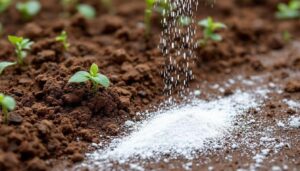

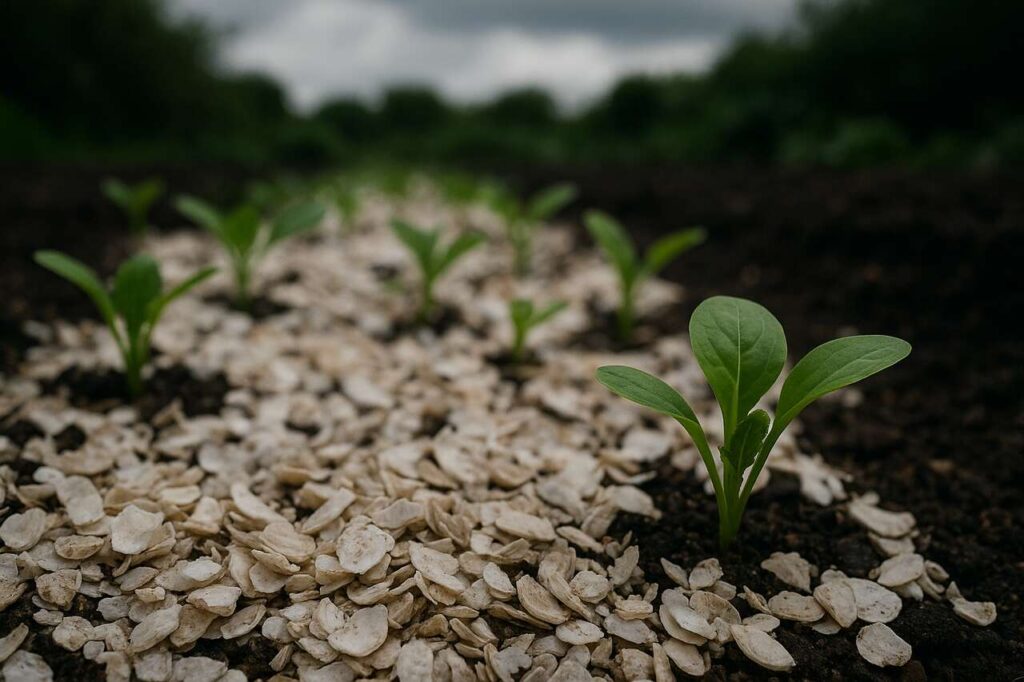
Tender seedlings face a relentless threat from slugs, particularly during the damp British spring when these molluscs emerge in force. Gardeners have long sought practical, eco-friendly methods to safeguard their young plants, and crushed shells have emerged as a popular mechanical barrier. These calcium-rich shards, whether sourced from oysters, mussels, or household eggshells, promise to deter slugs through abrasive texture and moisture absorption. Understanding how this simple yet effective strategy works can transform the early weeks of cultivation, offering vulnerable seedlings crucial protection without resorting to chemical interventions.
Why crushed shells repel slugs
The abrasive texture creates physical discomfort
Slugs navigate their environment by secreting a protective slime layer that allows them to glide smoothly across surfaces. Crushed shells disrupt this process through their sharp, irregular edges, which create friction against the slug’s soft body. The calcium carbonate fragments, measuring between 3-8 mm, generate sufficient discomfort to discourage most slugs from crossing the barrier. This mechanical deterrent proves particularly effective when shells retain their jagged profile, which occurs when they are properly dried and crushed rather than ground into powder.
Moisture absorption disrupts slug movement
Beyond physical abrasion, crushed shells possess hygroscopic properties that draw moisture away from slug slime. As the barrier absorbs water from the mucus trail, the slug experiences difficulty maintaining the lubrication necessary for movement. This dual-action mechanism explains why the barrier performs best during dry conditions, when the shells can effectively desiccate the slime layer. During prolonged rainfall, however, the shells become saturated and lose this moisture-absorbing capacity, reducing their effectiveness significantly.
Calcium content may influence slug behaviour
Research suggests that the calcium carbonate composition itself may play a role in deterrence. Some studies indicate that slugs demonstrate aversion to surfaces with high calcium concentrations, though this remains a secondary factor compared to the physical barrier. The chemical composition contributes to the overall hostile environment that discourages slug traversal, particularly when combined with the abrasive qualities of properly prepared shells.
Understanding these mechanisms provides the foundation for implementing this strategy effectively, but success depends heavily on proper construction and placement of the barrier.
How to build an effective shell barrier
Preparation of shell material
Proper preparation determines barrier longevity and effectiveness. The process involves several critical steps :
- Rinse shells thoroughly to remove organic residue and salt deposits
- Sterilise by heating in an oven at 120°C for 10-15 minutes
- Allow shells to cool completely before crushing
- Crush into fragments measuring 3-8 mm for optimal abrasiveness
- Avoid creating powder, which loses deterrent properties
Oyster shell grit, available from agricultural suppliers, offers a convenient alternative to home preparation, providing consistent fragment size and extended durability compared to eggshells.
Application specifications
Correct placement maximises protection whilst avoiding damage to seedlings. The barrier should form a continuous ring with these dimensions :
| Parameter | Recommended measurement |
|---|---|
| Width of barrier | 3-8 cm |
| Depth of layer | 0.5-2 cm |
| Distance from stem | 2 cm minimum |
| Refresh frequency | After heavy rainfall |
Position the barrier immediately upon transplanting seedlings outdoors, as the first 14 days represent the most vulnerable period. Ensure no gaps exist in the ring, as slugs will exploit even small breaches to reach tender foliage.
Maintenance requirements
Regular inspection and replenishment maintain barrier integrity. After rainfall, redistribute settled shells and add fresh material to restore the abrasive surface. Remove any vegetation growing through the barrier, as this provides bridges for slugs to bypass the protection. Monitor effectiveness by checking for slug trails crossing the barrier, which indicates necessary adjustments to depth or width.
Whilst the barrier provides mechanical protection, understanding its broader impact on garden ecology helps gardeners make informed decisions about its use.
Benefits and limitations for soil and wildlife
Soil enrichment through calcium release
Crushed shells deliver long-term benefits to soil chemistry as they gradually decompose. The calcium carbonate breaks down over months, releasing calcium that improves soil structure and neutralises acidity. This slow-release fertilisation proves particularly valuable in acidic British soils, where calcium deficiency can limit plant growth. The shells also enhance drainage in clay-heavy soils by creating air pockets as they fragment.
Wildlife interactions and considerations
The barrier generally poses minimal risk to beneficial garden wildlife. Ground beetles, which prey on slug eggs, navigate the shells without difficulty due to their hard exoskeletons. However, some concerns exist regarding :
- Potential discomfort to soft-bodied beneficial invertebrates
- Barrier interference with hedgehog foraging patterns
- Accidental ingestion by birds seeking grit for digestion
These impacts remain relatively minor compared to chemical slug pellets, which pose significant toxicity risks to wildlife and pets.
Performance limitations in wet conditions
The primary drawback centres on weather dependency. During prolonged wet periods typical of British springs, the barrier’s effectiveness diminishes substantially. Saturated shells lose their abrasive quality and moisture-absorbing capacity, allowing determined slugs to cross. Eggshells deteriorate faster than oyster shells, requiring more frequent replacement. This limitation necessitates integration with complementary strategies rather than relying solely on shell barriers.
Evaluating how crushed shells compare to alternative slug deterrents helps gardeners select the most appropriate protection for their circumstances.
Comparison of slug protection options
Performance and cost analysis
| Method | Effectiveness | Cost | Environmental impact |
|---|---|---|---|
| Crushed shells | Moderate (dry conditions) | Low to free | Beneficial |
| Copper tape | High | Moderate | Neutral |
| Wool pellets | Moderate to high | Moderate | Beneficial |
| Iron phosphate | High | Moderate | Low impact |
| Beer traps | Moderate | Low | Neutral |
Practical advantages of shell barriers
Crushed shells offer unique benefits that distinguish them from alternatives. Unlike copper tape, which requires precise installation and loses effectiveness when corroded, shells provide soil enrichment alongside pest control. They transform kitchen waste into garden assets, appealing to environmentally conscious gardeners seeking zero-waste solutions. The method requires no specialist knowledge or equipment beyond basic crushing tools, making it accessible to novice gardeners.
Strategic combinations for enhanced protection
Experienced gardeners recognise that layered defence systems outperform single-method approaches. Effective combinations include :
- Crushed shells as perimeter defence with copper tape for high-value plants
- Shell barriers supplemented by evening hand-picking patrols
- Integration with habitat creation for natural predators like frogs
- Wool pellets for wet periods when shells lose effectiveness
This multi-pronged approach addresses the limitations inherent in any single method, providing comprehensive protection throughout the growing season.
Implementing these strategies within the context of British gardening practices ensures optimal results tailored to local conditions.
Integration of alternatives in British gardens
Adapting to regional climate patterns
British gardens face distinctive challenges due to frequent rainfall and moderate temperatures that favour slug populations. Successful integration requires acknowledging these conditions and planning accordingly. During wet springs, supplement shell barriers with moisture-resistant alternatives such as copper tape or iron phosphate pellets. Reserve crushed shells for drier summer months when their effectiveness peaks, or use them in protected areas like polytunnels where rainfall impact diminishes.
Encouraging natural predators
Creating habitats for slug predators provides sustainable long-term control. Effective strategies include :
- Installing log piles and stone heaps for ground beetle shelter
- Maintaining small ponds to attract frogs and toads
- Preserving hedgerows that harbour slow worms and hedgehogs
- Avoiding broad-spectrum pesticides that eliminate beneficial insects
These predators consume significant slug populations, reducing reliance on physical barriers alone. The crushed shell barrier protects seedlings during establishment whilst natural predators control broader garden populations.
Timing interventions for maximum impact
Strategic timing enhances protection efficiency. Apply barriers immediately before the critical 14-day establishment period following transplanting. Focus resources on protecting vulnerable brassicas, lettuces, and hostas whilst allowing tougher plants to develop without intervention. During autumn, collect and crush shells in preparation for spring planting, ensuring adequate supplies when protection proves most crucial.
Proper preparation and application techniques determine whether this simple method delivers the promised protection.
How to prepare and apply eggshells correctly
Collection and storage protocols
Systematic collection ensures sufficient quantities for effective barriers. Rinse eggshells immediately after use to prevent bacterial growth and odours. Store in a ventilated container, allowing shells to air-dry naturally. A typical household generates enough eggshells to protect 4-6 seedlings weekly, though serious gardeners may supplement with shells from local cafés or restaurants. Accumulate shells throughout winter for spring application when slug pressure intensifies.
Crushing techniques for optimal size
Fragment size critically affects deterrent properties. Methods include :
- Placing dried shells in a sealed bag and crushing with a rolling pin
- Using a pestle and mortar for controlled fragment size
- Pulsing briefly in a food processor reserved for garden use
- Avoiding excessive grinding that produces ineffective powder
Aim for irregular shards measuring 3-8 mm, which provide maximum abrasiveness whilst maintaining structural integrity. Overly fine particles compact into a paste when wet, losing all deterrent value.
Application best practices
Correct application maximises protection duration. Create the barrier on dry soil to ensure good adhesion and immediate effectiveness. Apply a generous layer at least 0.5 cm deep, as thin applications allow slugs to bridge the barrier with their slime. Extend the ring 3-8 cm wide to prevent slugs from stretching across. Refresh after heavy rain by raking settled shells and adding fresh material. Monitor for effectiveness by checking for slug damage and adjusting barrier dimensions accordingly.
For raised beds, apply shells around the entire bed perimeter as well as individual plants, creating multiple defensive lines. In containers, encircle the pot base to prevent slugs climbing from ground level. These targeted applications concentrate resources where protection proves most critical.
Crushed shell barriers represent a practical, environmentally sound approach to protecting tender seedlings from slug damage. Their effectiveness stems from the combination of abrasive texture and moisture absorption, which disrupts slug movement across the barrier. Proper preparation, including sterilisation and crushing to 3-8 mm fragments, ensures optimal performance. Application requires creating continuous rings 3-8 cm wide and 0.5-2 cm deep, positioned 2 cm from plant stems. Whilst performance declines during wet conditions, the method provides valuable protection during critical establishment periods. Integration with complementary strategies such as copper tape, natural predators, and alternative barriers creates robust defence systems. The additional benefit of soil calcium enrichment makes crushed shells particularly attractive for sustainable gardening practices. Success depends on realistic expectations, regular maintenance, and strategic timing aligned with British climate patterns and slug activity cycles.