


Gardeners across the country know that the secret to a spectacular summer display lies in the work done during the colder months. Late winter pruning represents one of the most critical tasks for ensuring flowering shrubs reach their full potential when warm weather arrives. By understanding which plants benefit from strategic cutting back and mastering the techniques involved, you can transform your garden into a vibrant showcase of colour and vitality throughout the summer season.
Understanding the importance of pruning shrubs in winter
Why late winter is the optimal pruning window
Late winter offers unique advantages for pruning flowering shrubs that simply cannot be replicated at other times of the year. During this dormant period, plants conserve their energy reserves in their root systems, making them remarkably resilient to the stress of pruning. The absence of foliage provides gardeners with unobstructed visibility of the entire branch structure, allowing for more precise and effective cuts.
The timing also prevents unnecessary sap loss, as the plant’s circulatory system operates at minimal capacity during dormancy. This reduces the risk of disease transmission and allows wounds to begin healing before the growing season commences. Furthermore, pruning before spring growth begins ensures that the plant’s stored energy is directed towards developing strong new shoots rather than sustaining old, potentially unproductive wood.
The biological benefits of winter pruning
When you prune a shrub in late winter, you trigger a powerful biological response that fundamentally shapes the plant’s development. The removal of older stems stimulates dormant buds lower on the plant, encouraging bushier, more compact growth. This process, known as apical dominance removal, redistributes growth hormones throughout the plant, resulting in multiple flowering shoots rather than a few dominant stems.
- Enhanced air circulation reduces fungal disease risk
- Improved light penetration reaches inner branches
- Stronger structural framework develops
- Energy concentration produces larger, more abundant blooms
- Rejuvenation of older specimens extends their productive lifespan
These biological advantages work together to create healthier, more vigorous plants that produce exceptional summer displays. Understanding these mechanisms helps gardeners appreciate why timing matters so significantly in the pruning calendar.
The essential flowering shrubs to prune at the end of winter
Summer-flowering shrubs that bloom on new wood
The most important distinction in pruning strategy involves understanding whether a shrub flowers on old wood or new wood. Summer-flowering varieties that produce blooms on the current season’s growth are ideal candidates for late winter pruning. Butterfly bush stands out as perhaps the most responsive to hard pruning, with specimens cut back to approximately 30-45 centimetres from ground level producing spectacular flowering displays.
Hydrangea paniculata varieties thrive when pruned in late winter, with cuts made to a framework of strong stems encouraging large, cone-shaped flower heads. Rose-of-sharon benefits from selective thinning and shaping, whilst beautyberry and snowberry both respond excellently to rejuvenation pruning after the final frosts have passed.
Specific varieties requiring winter attention
| Shrub variety | Pruning severity | Expected summer benefit |
|---|---|---|
| Butterfly bush | Hard (to 30-45 cm) | Compact growth, larger flowers |
| Hydrangea paniculata | Moderate (framework retained) | Increased bloom size |
| Clematis Group 3 | Severe (to 10-15 cm) | Vigorous climbing, abundant flowers |
| Potentilla | Light to moderate | Extended flowering period |
| Fuchsia | Moderate | Manageable size, prolific blooms |
Each of these shrubs channels energy into producing new flowering wood when pruned correctly, making late winter intervention essential for optimal summer performance. The key lies in recognising that these plants have evolved to flower on fresh growth, making them naturally suited to rejuvenation pruning.
How to choose the best shrub to prune for vibrant summer
Assessing your garden’s specific needs
Selecting which shrubs to prioritise for late winter pruning requires careful evaluation of several factors. Begin by examining each plant’s current condition, looking for signs of overcrowding, weak growth, or diminished flowering from previous seasons. Shrubs that have become leggy or produced fewer blooms are prime candidates for rejuvenation through pruning.
Consider the overall design and balance of your garden space. Shrubs that have outgrown their allocated areas or are blocking light from other plants should be addressed first. Similarly, specimens showing dead or diseased wood require immediate attention to prevent problems spreading to healthy tissue.
Matching pruning intensity to desired outcomes
Different pruning approaches yield distinctly different results, allowing gardeners to tailor their strategy to specific goals:
- Hard pruning creates compact, heavily flowering specimens ideal for formal settings
- Moderate pruning maintains size whilst encouraging fresh flowering wood
- Selective thinning improves structure without dramatically reducing plant size
- Rejuvenation pruning completely renews old, neglected shrubs over multiple seasons
Your choice should reflect both the shrub’s natural growth habit and your vision for the garden’s summer appearance. A butterfly bush in a cottage garden might receive hard pruning for maximum flower production, whilst the same species in a mixed border might be pruned more moderately to maintain height and presence.
When and how to prune to optimise summer flowering
Precise timing within the late winter window
Whilst late winter encompasses several weeks, precise timing within this period can significantly impact results. The ideal moment arrives when the worst winter weather has passed but before buds begin swelling noticeably. In most regions, this translates to a window between mid-February and early March, though local climate variations require adjustment.
Watch for subtle signs that indicate optimal pruning time: lengthening daylight hours, slightly warmer soil temperatures, and the earliest spring bulbs beginning to emerge. These natural indicators provide more reliable guidance than calendar dates alone, as seasonal variations can shift the ideal pruning window by several weeks.
Essential pruning techniques for flowering shrubs
Proper cutting technique directly influences how effectively shrubs respond to pruning. Always make cuts at a slight angle approximately 5-6 millimetres above an outward-facing bud, ensuring water runs away from the developing shoot. Clean, decisive cuts heal faster and resist disease better than ragged or torn edges.
For hard pruning of species like butterfly bush, cut all stems back to a low framework, leaving just two or three pairs of healthy buds on each stem. When thinning hydrangeas or similar shrubs, remove entire stems at ground level rather than simply shortening them, as this encourages fresh growth from the base. Remove crossing branches and any growth pointing inward to create an open, vase-shaped structure that maximises light penetration and air circulation.
Essential tools for effective and safe pruning
The fundamental pruning toolkit
Investing in quality pruning equipment transforms the task from a struggle into a satisfying, efficient process. Sharp bypass secateurs form the foundation of any pruning toolkit, handling stems up to approximately 2 centimetres in diameter with clean, precise cuts. For thicker branches, long-handled loppers provide the additional leverage needed whilst maintaining cutting accuracy.
A pruning saw becomes essential when dealing with mature shrubs or renovation work involving substantial woody growth. Choose a curved pruning saw with fine teeth for clean cuts that heal quickly. Hedge shears serve well for shaping compact shrubs or creating formal effects, though they should never replace secateurs for detailed work on individual stems.
Maintenance and safety considerations
- Disinfect blades between plants using diluted bleach solution or methylated spirits
- Sharpen cutting edges regularly to ensure clean cuts
- Wear sturdy gloves to protect hands from thorns and rough bark
- Use safety glasses when pruning above head height
- Ensure stable footing, particularly when reaching or stretching
- Keep tetanus vaccinations current for protection against puncture wounds
Well-maintained tools not only perform better but also reduce physical strain and minimise the risk of transmitting diseases between plants. The small investment of time in tool care pays dividends in both results and longevity of equipment.
Post-pruning maintenance tips for a lush garden
Supporting recovery and new growth
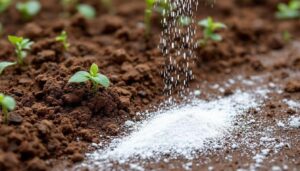
The work doesn’t end when pruning finishes; proper aftercare ensures shrubs capitalise fully on the rejuvenation you’ve provided. Apply a balanced slow-release fertiliser around the base of pruned shrubs in early spring, incorporating it lightly into the soil surface. This provides essential nutrients as new growth accelerates, supporting vigorous shoot development and abundant flower bud formation.
A generous layer of organic mulch, applied to a depth of 5-7 centimetres around the root zone, conserves moisture, suppresses weeds, and gradually improves soil structure as it decomposes. Keep mulch a few centimetres away from stems to prevent rot and pest problems.
Monitoring and ongoing care
Regular observation during spring and early summer allows you to address any issues promptly. Water deeply during dry spells, particularly in the first season after hard pruning when plants are establishing new growth. Watch for pest infestations or disease symptoms, which pruned plants may be temporarily more susceptible to whilst recovering.
Remove any weak or poorly positioned shoots that emerge, directing the plant’s energy towards the strongest, best-placed growth. This selective thinning of new shoots, performed whilst they’re still soft and green, refines the structure you’ve created through winter pruning and sets the stage for spectacular summer flowering.
Late winter pruning represents an investment in your garden’s future beauty, transforming dormant shrubs into the foundation of a spectacular summer display. By selecting appropriate species, timing your work precisely, employing correct techniques, and providing proper aftercare, you create the conditions for flowering shrubs to reach their full potential. The vibrant colours and abundant blooms that reward your efforts make those chilly February mornings in the garden entirely worthwhile, demonstrating once again that successful gardening results from understanding and working with natural cycles rather than against them.