



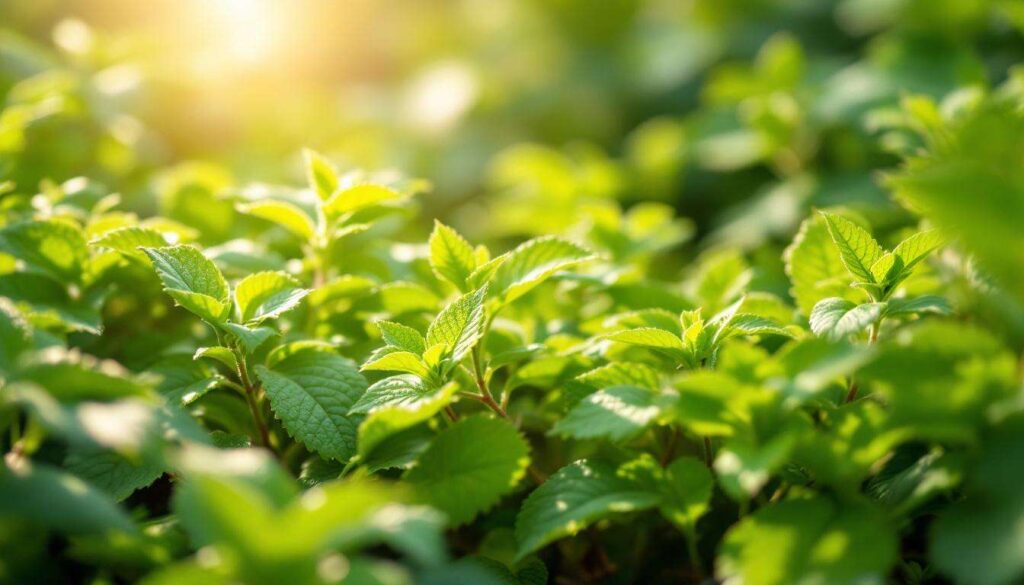
Homeowners across the country are turning their backs on traditional grass lawns in favour of a hardy, aromatic ground cover that requires minimal maintenance and survives even the harshest conditions. Creeping thyme has emerged as the plant of choice for those seeking a beautiful, sustainable alternative that transforms outdoor spaces whilst demanding far less time, water, and effort than conventional turf.
A minimalist and fragrant garden: the perfect alternative to grass
The appeal of creeping thyme
Thymus serpyllum, commonly known as creeping thyme, offers a low-growing carpet of vibrant green foliage that releases a delightful herbal fragrance when brushed or walked upon. Unlike traditional lawns that require constant mowing, watering, and feeding, this resilient plant thrives with remarkably little intervention. Its dense mat of tiny leaves creates a visually striking surface that remains attractive throughout the year, whilst its summer blooms add splashes of pink and purple to the landscape.
Aesthetic and sensory benefits
The sensory experience of a thyme lawn distinguishes it from conventional grass. Each footstep releases aromatic oils that perfume the air, creating an immersive garden experience. The visual texture differs markedly from uniform grass, offering a more naturalistic appearance that complements contemporary minimalist design principles. Key aesthetic advantages include:
- Year-round evergreen coverage in most climates
- Delicate flowering displays that attract beneficial insects
- Varied textures and colours depending on thyme variety selected
- Natural integration with stone features and hardscaping elements
This combination of practical benefits and aesthetic appeal positions creeping thyme as an increasingly popular choice for modern gardens. Beyond its visual and aromatic qualities, the plant addresses pressing environmental concerns that traditional lawns exacerbate.
Why is creeping thyme replacing traditional lawns ?
Water conservation advantages
Traditional grass lawns consume enormous quantities of water, particularly during dry summer months. Creeping thyme, by contrast, demonstrates exceptional drought tolerance once established. This characteristic proves invaluable in regions facing water restrictions or homeowners seeking to reduce utility costs. The plant’s Mediterranean origins have equipped it to survive extended periods without irrigation, making it a practical solution for water-conscious gardeners.
Reduced maintenance requirements
The labour associated with lawn maintenance represents a significant burden for many homeowners. Creeping thyme eliminates most of these tasks entirely:
| Maintenance task | Traditional lawn | Creeping thyme |
|---|---|---|
| Mowing frequency | Weekly during growing season | Never required |
| Watering needs | Regular, substantial amounts | Minimal once established |
| Fertilisation | Multiple applications annually | Generally unnecessary |
| Weed control | Ongoing challenge | Dense growth suppresses weeds |
Environmental and ecological benefits
Beyond personal convenience, creeping thyme supports biodiversity and pollinator populations. Its flowers provide valuable nectar sources for bees, butterflies, and other beneficial insects at a time when pollinator decline represents a serious ecological concern. Unlike manicured lawns treated with pesticides and herbicides, thyme lawns create habitat whilst requiring no chemical interventions. The plant’s ability to thrive in poor soils also reduces the need for fertilisers that contribute to water pollution.
These compelling advantages explain the growing enthusiasm for thyme as a lawn replacement, though successful implementation requires understanding optimal planting conditions and timing.
When and where to plant your new ground cover
Ideal planting seasons
Timing proves crucial for establishing a successful thyme lawn. Spring and early autumn represent the optimal planting windows, allowing plants to develop robust root systems before facing temperature extremes. Spring planting enables establishment before summer heat, whilst autumn planting takes advantage of residual soil warmth and increased rainfall. Avoid planting during winter frost periods or midsummer heat waves, as these conditions stress young plants and reduce survival rates.
Soil and sunlight requirements
Creeping thyme demonstrates a marked preference for specific growing conditions. The plant thrives in well-drained, lean soils and struggles in heavy clay or waterlogged conditions. Ideal soil characteristics include:
- Sandy or gravelly texture that prevents water retention
- Neutral to slightly alkaline pH levels
- Low fertility, as overly rich soils promote excessive foliage at the expense of flowering
- Good drainage to prevent root rot during wet periods
Full sun exposure proves essential for vigorous growth and abundant flowering. Whilst creeping thyme tolerates partial shade, plants grown in such conditions develop less densely and produce fewer blooms. South-facing slopes and open areas provide ideal locations.
Planting methodology and spacing
Establishing complete coverage requires patience, typically taking two to three years for plants to form a continuous mat. Spacing plants approximately fifteen to twenty centimetres apart encourages relatively quick coverage whilst allowing adequate air circulation. For faster results, closer spacing accelerates the filling process but increases initial costs. Proper soil preparation, including removal of existing grass and weeds, significantly improves establishment success.
Once planted in appropriate conditions, maintaining your aromatic garden requires surprisingly little effort compared to traditional lawn care.
How to maintain your aromatic garden
Watering and establishment care
Newly planted thyme requires regular watering during the first growing season to encourage deep root development. Once established, however, the plant becomes remarkably drought-tolerant and typically thrives on natural rainfall alone. Overwatering poses a greater threat than underwatering, as excessive moisture promotes fungal diseases and root rot. During extended dry periods, occasional deep watering proves more beneficial than frequent shallow applications.
Managing foot traffic
Whilst creeping thyme tolerates occasional foot traffic, it cannot withstand the constant wear that grass endures. Strategic planning addresses this limitation:
- Install stepping stones through frequently travelled areas
- Designate specific pathways using alternative materials
- Reserve thyme coverage for ornamental zones and occasional-use spaces
- Allow recovery periods after garden events or gatherings
Minimal intervention philosophy
The beauty of thyme lawns lies in their self-sufficiency. Fertilisation proves unnecessary and often counterproductive, as excess nutrients encourage leggy growth. Pruning requirements remain minimal, though light trimming after flowering can promote denser growth. The plant’s natural density suppresses most weeds, eliminating the need for herbicides. This low-intervention approach aligns perfectly with contemporary sustainable gardening principles.
These practical characteristics contribute to creeping thyme’s role in a broader transformation of garden design philosophy.
The modern garden reinvented: an essential new trend
Shifting design priorities
Contemporary garden design increasingly prioritises sustainability, biodiversity, and reduced maintenance over the manicured uniformity of traditional landscapes. Creeping thyme exemplifies this shift, offering aesthetic appeal whilst addressing environmental concerns. Designers now incorporate diverse ground covers, native plants, and naturalistic planting schemes that work with local conditions rather than against them.
Integration with hardscaping
Thyme proves exceptionally versatile in mixed landscape designs. It softens the harsh lines of paving, fills gaps between stepping stones, and cascades attractively over retaining walls. This adaptability allows creative combinations of planted and hard surfaces that reduce overall maintenance whilst creating visual interest. Container applications extend thyme’s usefulness to balconies, terraces, and small urban spaces where traditional lawns prove impractical.
This design evolution reflects deeper concerns about environmental responsibility that extend beyond aesthetics.
Choose eco-responsibility in your garden
Reducing environmental impact
Traditional lawn care contributes significantly to residential water consumption, chemical pollution, and carbon emissions from petrol-powered equipment. Replacing grass with creeping thyme addresses all these concerns simultaneously. The elimination of mowing removes noise pollution and fossil fuel consumption, whilst reduced watering conserves precious resources. The absence of fertilisers and pesticides prevents chemical runoff that contaminates waterways and harms wildlife.
Supporting local ecosystems
Thyme lawns actively contribute to ecological health by providing pollinator habitat and food sources. As insect populations face unprecedented pressures, every garden that supports beneficial species makes a meaningful difference. The plant’s flowers attract diverse pollinators, whilst its dense growth provides shelter for ground-dwelling invertebrates that form the foundation of healthy ecosystems.
Homeowners seeking alternatives to both traditional lawns and creeping thyme might consider wildflower meadows, clover lawns, or native ground covers suited to local conditions. Each option offers distinct advantages whilst sharing the common goal of creating beautiful, sustainable outdoor spaces that require fewer resources and support greater biodiversity than conventional turf.
The movement towards low-maintenance, environmentally responsible ground covers represents more than a passing trend. It reflects a fundamental reassessment of how outdoor spaces should function in an era of climate uncertainty and resource constraints. Creeping thyme, with its combination of beauty, resilience, and minimal requirements, exemplifies the practical solutions available to those willing to rethink traditional approaches. By choosing plants adapted to local conditions and designed to thrive with minimal intervention, gardeners create spaces that benefit both people and planet whilst reducing the time and expense associated with conventional lawn care.