
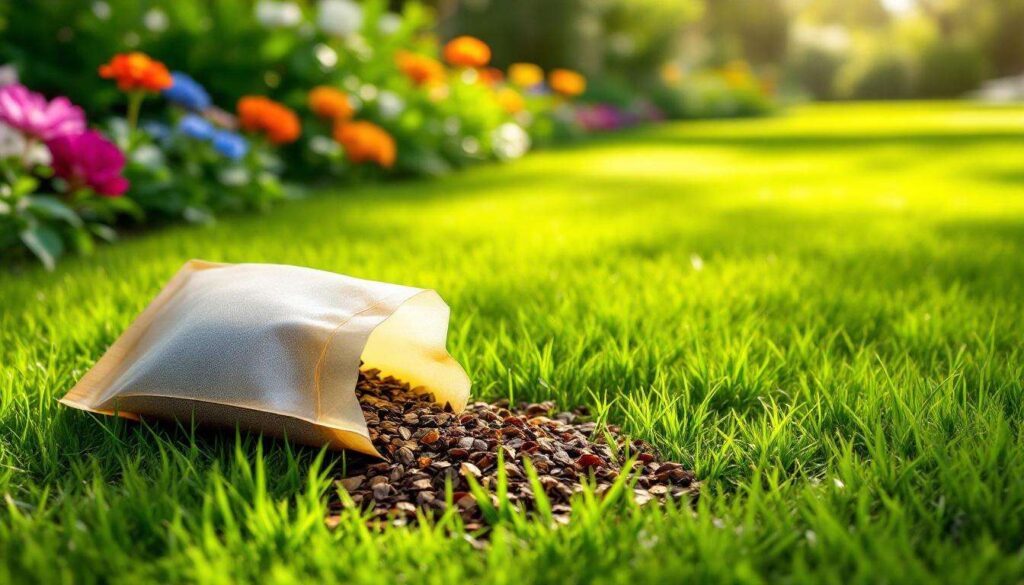
Gardeners across the UK are discovering an unlikely ally in their quest for a verdant, healthy lawn: the humble tea bag. This unassuming kitchen leftover, typically destined for the bin, contains a wealth of nutrients and organic compounds that can transform tired, patchy grass into a lush green carpet. As more homeowners seek sustainable alternatives to synthetic lawn treatments, this method offers a practical, cost-effective solution that harnesses the natural properties of tea to nourish soil and stimulate robust grass growth.
Why do tea bags nourish the lawn so quickly
The nitrogen boost that grass craves
Tea leaves are naturally rich in nitrogen, one of the three primary nutrients essential for plant growth. With an average nitrogen content of approximately 4 per cent, used tea provides a gentle yet effective feeding mechanism for grass. Unlike synthetic fertilisers that deliver nutrients in concentrated bursts, tea releases its nitrogen gradually as it decomposes, ensuring a steady supply that grass roots can absorb without risk of chemical burn or nutrient overload.
Tannic acid and soil conditioning properties
The tannic acid present in tea acts as a natural soil conditioner, improving the structure and composition of lawn soil. This organic compound helps to:
- Break down compacted soil particles, allowing better root penetration
- Enhance moisture retention, reducing the frequency of watering required
- Lower soil pH slightly, which can benefit grass varieties that prefer mildly acidic conditions
- Stimulate beneficial microbial activity in the soil ecosystem
These improvements create an environment where grass can establish deeper root systems and access nutrients more efficiently, leading to visible growth improvements within weeks.
Trace minerals and micronutrients
Beyond nitrogen, tea leaves contain trace minerals including potassium, phosphorus, magnesium, and manganese. These micronutrients play crucial roles in various plant processes, from photosynthesis to disease resistance. The combination of these elements provides a balanced nutritional profile that supports overall grass health rather than promoting rapid but unsustainable growth.
Understanding these nutritional benefits raises an important question: not all tea products are created equal, and selecting the right type matters considerably for lawn care success.
Choosing the type of tea and tea bag materials
Black tea versus green tea for lawn applications
Black tea typically contains higher levels of tannic acid and has undergone full oxidation, making it particularly effective for soil conditioning. Green tea, whilst containing beneficial antioxidants, offers a milder effect and slightly different nutrient profile. For lawn care purposes, black tea generally delivers more noticeable results, though both varieties can contribute positively to grass health.
| Tea type | Nitrogen content | Tannic acid level | Best use |
|---|---|---|---|
| Black tea | 4–4.5% | High | General lawn feeding, soil conditioning |
| Green tea | 3.5–4% | Moderate | Gentle feeding, sensitive areas |
| Herbal tea | Variable | Low to none | Limited lawn benefit |
Avoiding problematic tea bag materials
Not all tea bags are suitable for lawn application. Many commercial tea bags contain plastic fibres or synthetic materials that will not decompose and may introduce microplastics into your garden ecosystem. When selecting tea for lawn care, prioritise:
- Unbleached paper tea bags without staples or synthetic strings
- Loose-leaf tea, which offers the purest application
- Biodegradable silk or plant-based tea bags
- Products explicitly labelled as plastic-free
Additives and flavourings to avoid
Tea bags containing artificial flavourings, oils, or additional ingredients should be avoided for lawn use. Vanilla, bergamot oil, and other flavour additives may contain compounds that could affect soil chemistry unpredictably. Plain black or green tea without embellishments provides the most reliable and beneficial results.
With the right tea selected, the next consideration is how to apply it effectively to maximise its lawn-revitalising potential.
How to apply: step by step for quick results
Preparing tea bags for lawn application
Before applying tea to your lawn, proper preparation ensures optimal nutrient release and prevents any non-biodegradable materials from entering your garden. Remove all staples, strings, and tags from tea bags. If using bagged tea, tear open the bags to expose the leaves directly, or compost the entire bag if it is confirmed biodegradable. For loose-leaf tea, no additional preparation is necessary beyond ensuring it has cooled completely if recently brewed.
Application rates and coverage
For effective lawn treatment, apply approximately 20 to 30 grammes of used tea leaves per square metre. This translates to roughly:
- 4 to 6 standard tea bags per square metre
- A light, even scattering that does not form clumps
- Coverage that allows the tea to make contact with soil rather than sitting atop grass blades
The best time to apply tea to your lawn is immediately after mowing, when grass is short and the tea can reach the soil surface more easily. Lightly water the treated area afterwards to help the tea settle and begin the decomposition process.
Methods for targeted problem areas
For patchy or bare spots requiring extra attention, create a revitalising mixture by combining:
- Shredded tea leaves from 10 to 15 bags
- Two handfuls of quality compost
- One tablespoon of grass seed appropriate for your lawn type
- Sufficient water to create a spreadable paste
Apply this mixture directly to problem areas, pressing it gently into the soil. Alternatively, bury intact biodegradable tea bags approximately 2 to 3 centimetres below the surface in sparse areas to provide concentrated nutrition as they decompose.
Frequency and timing considerations
For optimal results, repeat tea applications every 7 to 14 days throughout the growing season. This regular schedule maintains a consistent supply of nutrients without overwhelming the grass or creating excessive thatch. During periods of active growth in spring and early autumn, weekly applications yield the most dramatic improvements.
Having established a proper application routine, gardeners naturally want to know when they can expect to see tangible improvements in their lawn’s appearance and health.
Assessing improvements and setting a timetable
Initial changes in the first fortnight
Within 10 to 14 days of the first application, observant gardeners typically notice subtle but encouraging signs of improvement. The most common early indicators include:
- A slight deepening of the grass’s green colour
- Reduced yellowing in previously stressed areas
- Improved resilience, with grass bouncing back more quickly after foot traffic
- Enhanced moisture retention in the soil
These changes reflect the initial nutrient uptake and the beginning of improved soil conditions, though the most dramatic transformations require additional time.
Weeks three to four: visible density improvements
By the third and fourth weeks of consistent tea application, the effects become considerably more apparent. Grass begins a process called tillering, where individual plants produce additional shoots, resulting in:
| Timeframe | Observable change | Measurement indicator |
|---|---|---|
| Week 3 | Increased shoot density | 15–20% more grass blades per square decimetre |
| Week 4 | Thicker growth pattern | Noticeably heavier grass clippings after mowing |
| Week 6 | Reduced bare patches | 50–70% coverage improvement in problem areas |
Long-term benefits and ongoing assessment
Beyond the initial weeks, continued tea application supports sustained lawn health through improved soil biology. When combined with aeration, the method can gradually reduce thatch accumulation, as enhanced microbial activity breaks down organic matter more efficiently. Regular photography of the same lawn areas provides an excellent means of tracking progress objectively over time.
Whilst these results are encouraging, it is important to understand that tea bags are not a miracle cure, and certain limitations and considerations must be acknowledged for realistic expectations.
Limitations, risks, and clever integrations
When tea bags alone are insufficient
Tea bag application works best as part of a comprehensive lawn care strategy rather than as a standalone solution. Severely compacted soil, significant pest infestations, or lawns suffering from disease require additional interventions. Tea provides supplementary nutrition and soil conditioning but cannot address:
- Structural drainage problems
- Severe pH imbalances requiring lime or sulphur treatment
- Fungal diseases needing targeted treatment
- Major weed infestations
Potential drawbacks and mitigation strategies
Excessive tea application can lead to unintended consequences. Overapplication may temporarily lower soil pH beyond optimal levels for certain grass varieties, particularly if your soil is already acidic. Testing soil pH annually helps prevent this issue. Additionally, tea bags that have not fully decomposed can create an unsightly appearance if applied too heavily or too frequently.
To mitigate these risks, maintain moderate application rates and ensure even distribution across the lawn surface.
Complementary practices for maximum effect
Tea bag treatment delivers optimal results when integrated with:
- Regular aeration to improve tea penetration and soil oxygen levels
- Appropriate watering schedules that support nutrient absorption
- Seasonal overseeding to fill in thin areas
- Proper mowing height to encourage healthy root development
This holistic approach ensures that the benefits of tea application are maximised whilst maintaining overall lawn health through proven horticultural practices.
These considerations naturally lead to a broader question about why gardeners might choose this natural method over conventional chemical fertilisers.
Preferring tea bags over chemical fertilisers
Environmental and ecological advantages
Chemical fertilisers, whilst effective, carry significant environmental costs. Synthetic nitrogen production requires substantial energy input, and excess nutrients frequently leach into waterways, contributing to algal blooms and ecosystem disruption. Tea bags offer a closed-loop alternative that:
- Repurposes waste material that would otherwise require disposal
- Introduces no synthetic chemicals into the environment
- Supports soil microbial diversity rather than disrupting it
- Reduces the carbon footprint associated with lawn maintenance
Cost comparison and accessibility
The financial advantages of using tea bags are considerable. Most households generate used tea bags as a natural byproduct of daily consumption, making this method essentially cost-free. By contrast, quality lawn fertilisers typically cost between £15 and £40 per treatment for an average-sized lawn, with multiple applications required annually.
| Method | Annual cost (100 m² lawn) | Environmental impact | Effort required |
|---|---|---|---|
| Tea bags | £0–5 | Minimal | Low |
| Organic fertiliser | £40–80 | Low | Moderate |
| Synthetic fertiliser | £30–60 | Moderate to high | Low |
Safety for children, pets, and wildlife
Perhaps the most compelling advantage of tea-based lawn care is its complete safety for all garden users. Unlike chemical treatments that require keeping children and pets off treated areas for specified periods, tea poses no toxicity risk. Wildlife, from earthworms to hedgehogs, benefits from the improved soil conditions without exposure to harmful substances.
This safety profile makes tea bag treatment particularly appealing for families and environmentally conscious gardeners seeking to maintain beautiful outdoor spaces without compromise.
The tea bag method represents a practical convergence of sustainability, effectiveness, and accessibility in lawn care. By transforming a common household waste item into a valuable soil amendment, gardeners can achieve noticeable improvements in grass health within weeks whilst supporting broader environmental goals. The approach requires consistency and realistic expectations, working best when integrated with fundamental lawn care practices such as appropriate watering, regular mowing, and periodic aeration. For those seeking an eco-friendly alternative to synthetic treatments, used tea bags offer a proven, safe, and cost-effective solution that nourishes both grass and soil. The simplicity of this method, combined with its tangible results, demonstrates that sustainable gardening need not be complicated or expensive to be successful.