

Pollinators face unprecedented challenges across the United Kingdom, with garden enthusiasts and environmentalists alike searching for practical solutions to support these vital insects. Whilst many ornamental plants offer aesthetic appeal, few provide the nutritional resources that struggling bee populations desperately require. One particular species stands out as exceptionally beneficial, offering abundant nectar and pollen precisely when bees need it most. Understanding which plant to cultivate and how to integrate it successfully into your garden could make a tangible difference to local pollinator communities whilst simultaneously enhancing your outdoor space.
The importance of bees in our ecosystem
Pollination services and food security
Bees represent essential contributors to global food production, with approximately one-third of the food we consume depending directly or indirectly on insect pollination. These industrious insects facilitate the reproduction of flowering plants by transferring pollen between blossoms, enabling fruit and seed development. Without their pollination services, many crops including apples, strawberries, tomatoes, and oilseed rape would produce significantly reduced yields or fail entirely.
The economic value of pollination services provided by bees reaches into billions of pounds annually across agricultural sectors. Beyond commercial farming, bees support wild plant reproduction, maintaining the botanical diversity that underpins entire ecosystems. This pollination cascade effect ensures that numerous animal species have access to the fruits, seeds, and vegetation they require for survival.
Biodiversity maintenance and habitat health
Bee activity extends far beyond agricultural boundaries, supporting the reproduction of wildflowers, shrubs, and trees in natural habitats. These pollinated plants provide:
- Food sources for herbivorous mammals and birds
- Nesting materials and shelter for various species
- Soil stabilisation through root systems
- Carbon sequestration and air purification
The intricate relationships between bees and flowering plants have evolved over millions of years, creating mutually dependent partnerships that form the foundation of terrestrial ecosystems. When bee populations thrive, entire ecological communities benefit from increased plant diversity and abundance.
However, these critical pollination networks now face significant disruption, leading to concerning declines that threaten both natural environments and human food systems.
The alarming decline of bee populations
Documented population losses
Scientific monitoring programmes have recorded substantial reductions in bee numbers across multiple species throughout the UK and Europe. Some bumblebee species have experienced range contractions exceeding 70% compared to historical distributions, whilst honeybee colony losses have reached troubling levels in certain regions. Solitary bee populations, though less extensively studied, show similar patterns of decline in areas where habitat quality has deteriorated.
Research institutions tracking pollinator populations have identified accelerated decline rates over recent decades, with certain rare species now occupying only fragmented remnants of their former territories. These losses represent not merely statistical abstractions but tangible reductions in the pollination capacity available to both wild and cultivated plants.
Consequences for ecosystems and agriculture
The ramifications of diminishing bee populations manifest across multiple domains. Agricultural producers report increased difficulty achieving adequate pollination for fruit crops, sometimes resorting to expensive manual pollination or importing managed bee colonies. Wild plant communities exhibit reduced seed production, leading to declining regeneration rates and gradual shifts in species composition favouring wind-pollinated plants over insect-pollinated varieties.
These ecological changes create ripple effects throughout food webs, potentially affecting bird populations that depend on seeds and insects, as well as small mammals relying on particular plant species. The cumulative impact threatens to fundamentally alter the character of British countryside and gardens alike.
Understanding what drives these declines becomes essential for developing effective conservation responses.
The factors threatening bees today
Habitat loss and fragmentation
The conversion of flower-rich meadows, hedgerows, and woodland edges to intensive agriculture or urban development has eliminated crucial foraging and nesting resources for bee populations. Modern agricultural practices often favour monocultures that provide brief periods of abundant forage followed by extended floral deserts, creating feast-or-famine conditions that stress bee colonies.
Urban expansion fragments remaining habitats, isolating bee populations and reducing genetic diversity. Gardens increasingly represent vital refuges, yet many conventional landscaping approaches prioritise non-native ornamentals with limited nectar and pollen resources.
Pesticides and chemical exposure
Certain agricultural chemicals, particularly neonicotinoid insecticides, have demonstrated harmful effects on bee navigation, foraging efficiency, and colony health. Even sublethal exposures can impair bee cognitive function, reducing their ability to locate food sources and return to nests. Herbicide use eliminates wildflowers from field margins and verges, further reducing available forage.
Climate change and disease pressures
Shifting weather patterns disrupt the synchronisation between plant flowering times and bee emergence, potentially creating mismatches that leave bees without adequate food resources. Extreme weather events damage nests and reduce foraging opportunities. Meanwhile, diseases and parasites such as varroa mites place additional stress on already vulnerable populations.
Addressing these multifaceted threats requires coordinated action, yet individual gardeners can make meaningful contributions by providing high-quality forage plants.
The essential plant to support bees
Introducing borage: the bee-keeper’s favourite
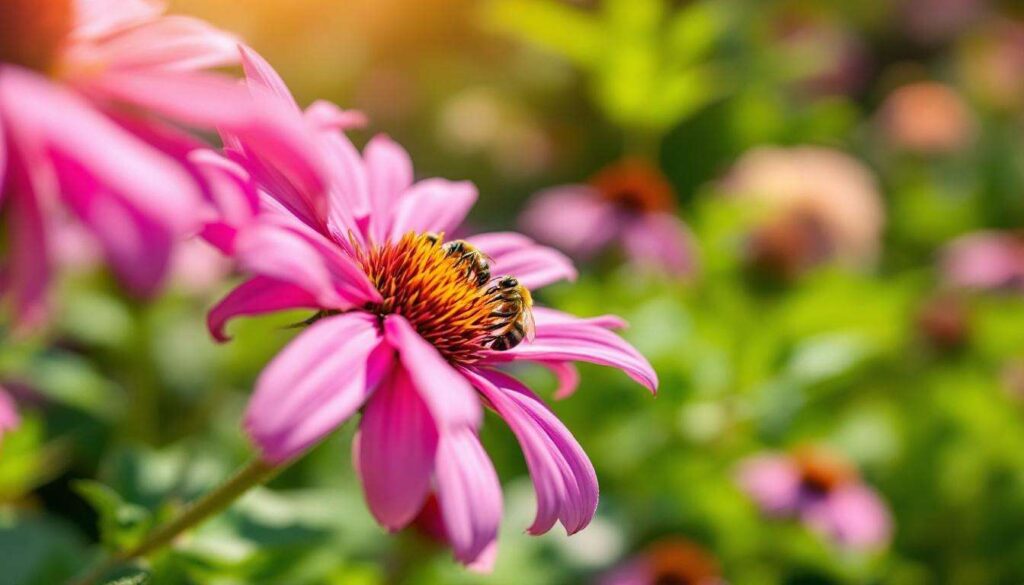
Borage (Borago officinalis) stands as arguably the single most valuable plant you can cultivate for bee welfare. This Mediterranean herb produces copious quantities of nectar and pollen throughout an extended flowering period, attracting diverse bee species with remarkable consistency. Beekeepers have long recognised borage as exceptional forage, with honeybees visiting the distinctive blue star-shaped flowers from dawn until dusk.
Nutritional benefits for bees
Borage flowers offer continuously replenished nectar supplies, with individual blossoms producing fresh nectar even after repeated bee visits. The nectar contains high sugar concentrations, providing efficient energy for foraging bees. Pollen from borage supplies essential proteins and lipids necessary for larval development and colony growth.
The plant’s extended flowering season, typically spanning from late spring through autumn, provides reliable forage during critical periods when other sources may be scarce. This temporal consistency makes borage particularly valuable for supporting bee populations through seasonal bottlenecks.
Appeal to multiple bee species
Borage attracts an impressive diversity of pollinators including:
- Honeybees (Apis mellifera)
- Various bumblebee species (Bombus spp.)
- Solitary bees including mason bees and leafcutter bees
- Hoverflies and other beneficial insects
This broad appeal makes borage an inclusive pollinator resource that supports entire communities of beneficial insects rather than favouring only specific species.
Fortunately, cultivating this remarkable plant requires minimal expertise or resources.
How to grow this plant in your garden
Ideal growing conditions
Borage demonstrates remarkable adaptability to various soil types, though it performs best in well-drained soil with moderate fertility. The plant tolerates both full sun and partial shade, making it suitable for diverse garden situations. Its drought tolerance once established makes borage particularly appropriate for low-maintenance gardening approaches.
Planting and propagation
Sowing borage directly outdoors proves most successful, as the plant develops a taproot that resents transplanting. Follow these steps:
- Prepare soil by removing weeds and loosening to approximately 15cm depth
- Sow seeds from March through July at 1cm depth
- Space seeds approximately 30cm apart
- Water gently after sowing
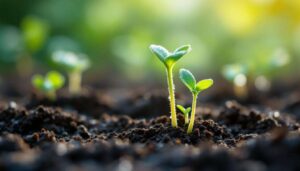
- Expect germination within 7-14 days
Borage readily self-seeds once established, creating naturalistic drifts that require minimal intervention in subsequent years. Simply allow some flowers to set seed and scatter naturally.
Maintenance requirements
This undemanding plant requires little ongoing care. Water during establishment and prolonged dry periods, though mature plants tolerate drought well. No fertilisation is typically necessary, as excessive nutrients can promote foliage growth at the expense of flowering. Deadheading spent flowers encourages continued blooming, though leaving some to set seed ensures future generations.
The benefits of incorporating borage extend well beyond supporting bee populations alone.
The benefits for your garden’s biodiversity
Creating pollinator corridors
Establishing borage patches helps form ecological stepping stones that connect fragmented habitats, enabling bees to move between gardens and wild areas. This connectivity supports genetic exchange between populations and provides varied forage opportunities. When multiple gardeners in a neighbourhood cultivate bee-friendly plants, the cumulative effect creates substantial pollinator resources across the urban landscape.
Supporting broader insect communities
Beyond bees, borage attracts hoverflies whose larvae consume aphids, providing natural pest control. Predatory insects including ladybirds and lacewings also visit borage, creating a more balanced garden ecosystem. This functional biodiversity reduces reliance on chemical interventions whilst supporting food webs that benefit birds and other wildlife.
Companion planting advantages
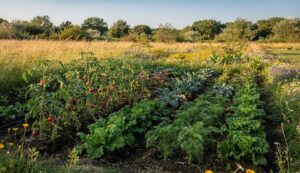
Gardeners have traditionally planted borage alongside vegetables, as it reportedly deters certain pests whilst attracting pollinators that improve fruit set on nearby crops. The plant’s deep taproot may help break up compacted soil and bring nutrients from deeper layers toward the surface. Some evidence suggests borage enhances the flavour of adjacent tomatoes and strawberries, though scientific validation of these claims remains limited.
Garden enthusiasts seeking to maximise ecological value whilst maintaining aesthetic appeal will find borage delivers on both fronts, with its attractive blue flowers complementing diverse planting schemes whilst providing unmatched pollinator support.
Supporting bee populations requires thoughtful action rather than passive concern. Borage represents an accessible, effective intervention that individual gardeners can implement immediately, transforming ordinary gardens into vital pollinator refuges. The plant’s exceptional nectar production, extended flowering period, and minimal maintenance requirements make it ideally suited to both experienced gardeners and beginners. By dedicating even modest garden space to borage cultivation, you contribute tangibly to pollinator conservation whilst enriching your garden’s ecological complexity. The choice to plant borage today helps secure pollination services that underpin food security and ecosystem health for the future.