
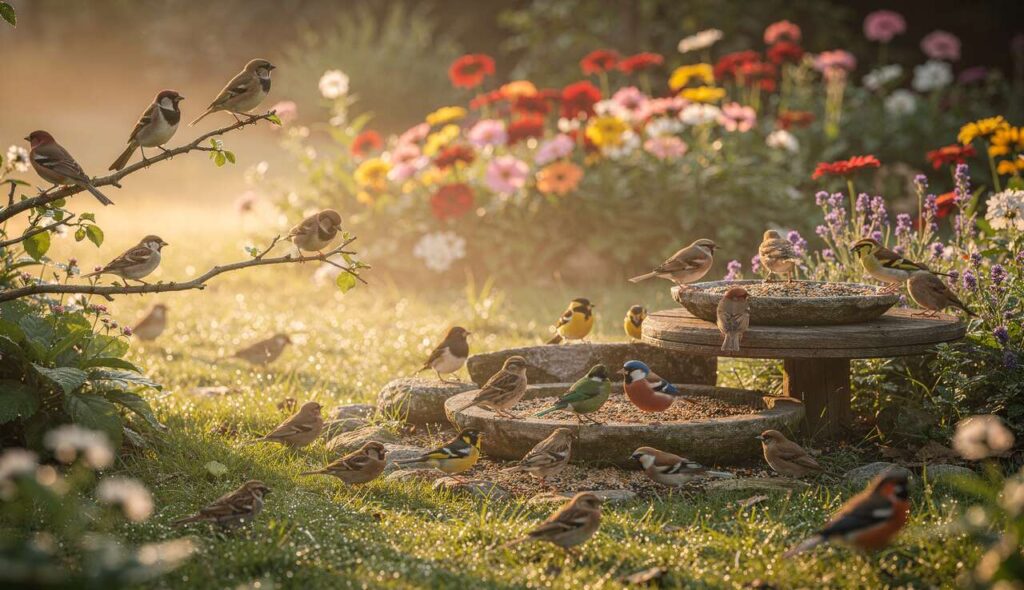
For years, I watched birds flock to my traditional feeders, convinced I was providing essential support for local wildlife. Yet despite my efforts, the variety of species visiting my garden remained disappointingly limited, and the constant maintenance became a burden. When I finally removed these fixtures, something remarkable happened: my garden transformed into a thriving avian haven, attracting more diverse species than ever before. This wasn’t mere chance but rather the natural consequence of allowing my outdoor space to function as nature intended.
Why I stopped using traditional bird feeders
The hidden problems with conventional feeders
Traditional bird feeders presented numerous challenges that became increasingly apparent over time. Disease transmission emerged as my primary concern, as birds congregating around a single feeding point inevitably spread pathogens through their droppings and saliva. Regular cleaning proved time-consuming and often inadequate to prevent bacterial growth, particularly during wet weather when mould developed rapidly on uneaten seed.
The financial aspect also warranted consideration:
- constant seed replenishment costs mounting throughout the year
- replacement of damaged feeders due to weather and squirrel interference
- specialist feeds for different species creating additional expenses
- cleaning supplies and equipment maintenance
Dependency and unnatural feeding patterns
My observations revealed that birds were becoming dependent on the artificial food source rather than foraging naturally. This dependency concerned me deeply, as it potentially compromised their survival skills and natural behaviours. Young birds, in particular, seemed to lack the foraging expertise their parents should have been teaching them through example in a more natural environment.
Furthermore, the feeders attracted dominant species that monopolised the food supply, effectively excluding smaller or more timid birds from accessing nutrition. Aggressive interactions became commonplace, creating a stressful environment that contradicted my original intention of supporting wildlife.
These mounting concerns prompted me to reconsider my entire approach to garden wildlife management, leading me towards a more sustainable solution.
A garden without feeders: a restored ecosystem
The immediate changes after removal
Within weeks of removing the feeders, noticeable shifts occurred throughout my garden. Initially, I worried that birds would abandon the space entirely, but the opposite proved true. Rather than congregating around artificial feeding stations, birds began exploring every corner of the garden, investigating plants, turning over leaves, and probing bark for insects.
| Timeframe | Observed Changes |
|---|---|
| Week 1-2 | Reduced bird numbers, increased foraging behaviour |
| Week 3-4 | New species appearances, natural feeding patterns established |
| Month 2-3 | Biodiversity increase, balanced ecosystem emerging |
Natural foraging behaviours resurface
The transformation extended beyond mere numbers. Birds rediscovered their instinctive foraging abilities, demonstrating behaviours I had rarely witnessed when feeders dominated the garden. Thrushes began systematically searching through leaf litter, whilst tits meticulously examined tree bark for hidden invertebrates. This natural activity created a self-sustaining cycle where birds controlled pest populations whilst finding abundant nutrition.
The garden’s atmosphere changed fundamentally, with birds distributed throughout the space rather than competing for access to limited feeding points. This distribution created a more peaceful environment where multiple species coexisted harmoniously, each occupying its ecological niche.
Understanding these changes highlighted the importance of providing natural food sources rather than artificial supplements.
Natural alternatives for feeding birds
Native plants as primary food sources
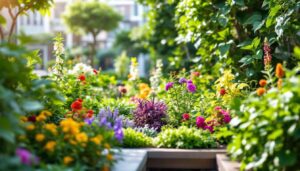
Replacing feeders with native plant species proved remarkably effective. These plants provide seeds, berries, nectar, and attract insects that form the foundation of avian diets. I prioritised species that offer year-round benefits:
- hawthorn and rowan for autumn and winter berries
- teasels and sunflowers for seed-eating species
- honeysuckle and native flowering plants for nectar and insects
- ivy for late-season berries when other sources diminish
- oak and birch trees supporting diverse invertebrate populations
Creating insect-rich habitats
Recognising that insects constitute the primary food source for most garden birds, particularly during breeding season, I established multiple insect habitats. Log piles provided homes for beetles and wood-boring insects, whilst areas of unmown grass supported grasshoppers and caterpillars. A small pond attracted dragonflies and provided drinking water, creating a complete ecosystem.
Avoiding pesticides proved crucial, as chemical treatments decimated the insect populations that birds relied upon. Natural pest control through bird predation proved far more effective than any artificial intervention, creating a balanced system where problems resolved themselves organically.
These natural food sources formed the foundation for broader ecological improvements throughout the garden.
The ecological benefits of ditching feeders
Reduced disease transmission
Eliminating concentrated feeding points dramatically decreased disease risks. Birds foraging naturally maintain greater distances from one another, reducing pathogen transmission. Natural food sources don’t accumulate droppings or become contaminated in the same manner as artificial feeders, creating a healthier environment for all visiting species.
Supporting complete food chains
The feeder-free approach supported entire ecological networks rather than artificially boosting select species. Insects thrived without pesticide interference, providing abundant food for insectivorous birds. These birds, in turn, attracted predators like sparrowhawks, creating a complete and balanced ecosystem.
| Ecological Level | Benefits Observed |
|---|---|
| Plants | Natural seed dispersal, pollination services |
| Invertebrates | Population increase, diversity improvement |
| Birds | Species variety, natural behaviours, healthier populations |
| Mammals | Hedgehogs and small mammals benefiting from insect abundance |
This holistic approach created resilience within the garden ecosystem, allowing it to adapt naturally to seasonal changes and environmental pressures.
How the garden’s biodiversity thrived
Increased species diversity
The variety of bird species visiting my garden expanded significantly after removing feeders. Specialist feeders that previously avoided the garden due to competition now appeared regularly. Warblers, flycatchers, and treecreepers became frequent visitors, each finding their preferred food sources within the diverse habitat.
Species previously unseen in my garden included:
- lesser spotted woodpeckers foraging on dead wood
- goldcrests searching conifer branches for tiny insects
- nuthatches exploring bark crevices
- bullfinches feeding on native tree buds and seeds
Year-round natural food availability
Strategic planting ensured continuous food availability throughout all seasons. Spring brought caterpillar abundance for breeding birds, summer offered insects and early berries, autumn provided seed heads and fruit, whilst winter saw birds accessing stored seeds and remaining berries. This natural succession proved far superior to artificial feeding, supporting birds’ nutritional needs at each life stage.
The garden became a reliable resource that birds could depend upon without the risks associated with feeder dependency, preparing them for successful survival beyond my garden boundaries.
Tips for attracting birds without a feeder
Essential habitat features
Creating an attractive environment requires multiple habitat layers. Tall trees provide nesting sites and territorial perches, shrubs offer protective cover and nesting opportunities, whilst ground-level vegetation supports ground-feeding species. Water sources proved invaluable, with a shallow pond or birdbath attracting species that might otherwise overlook the garden.
Maintenance practices that support wildlife
Adjusting garden maintenance routines significantly impacted bird populations. Leaving seed heads standing through winter provided natural food sources, whilst delaying autumn tidying allowed insects to overwinter in plant stems and leaf litter. Dead wood, whether standing or fallen, supported countless invertebrates that birds relied upon.
Key practices include:
- avoiding autumn clearance until spring when birds have consumed available seeds
- creating brush piles from pruned branches for shelter and foraging
- maintaining areas of long grass for invertebrate populations
- planting in layers to provide diverse foraging opportunities
- eliminating chemical use entirely to protect insect populations
Patience and observation
Transitioning from feeders to natural provision requires patience. Immediate results shouldn’t be expected, as ecosystems need time to establish and mature. Regular observation helps identify which features attract specific species, allowing targeted improvements. Keeping records of species sightings reveals patterns and demonstrates the long-term success of this approach.
My garden transformed from an artificial feeding station into a genuine wildlife habitat, demonstrating that supporting birds effectively means working with nature rather than attempting to control it. The increased diversity, natural behaviours, and ecological balance vindicated my decision to abandon traditional feeders. By providing native plants, protecting insect populations, and creating varied habitats, any garden can become a thriving sanctuary that genuinely supports bird populations whilst requiring less maintenance and expense than conventional feeding methods.