



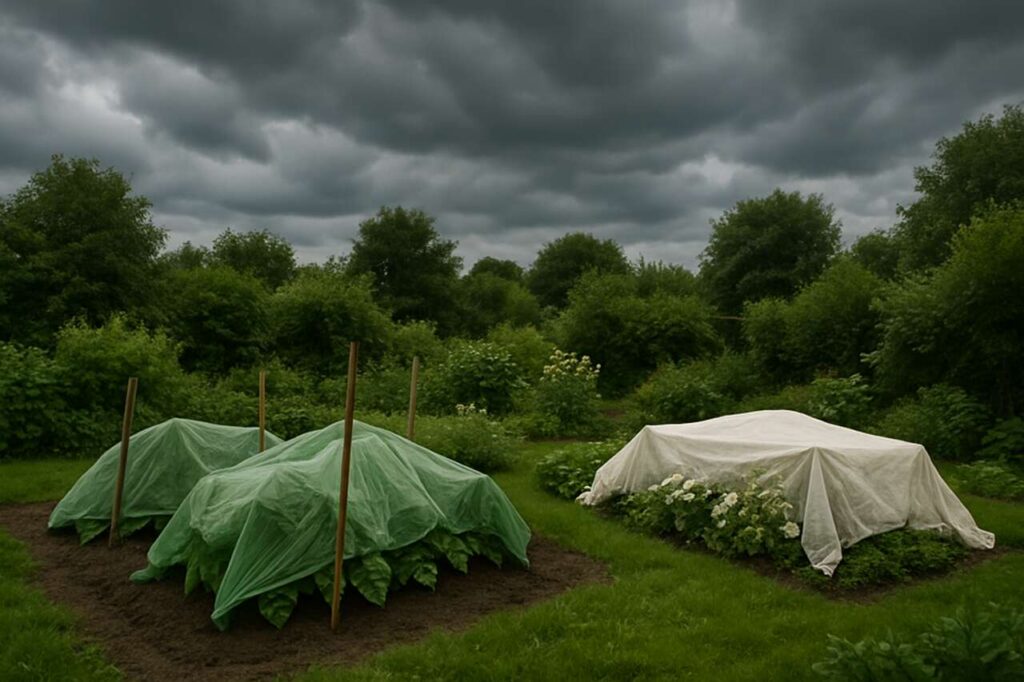
Gardens face considerable challenges when severe weather approaches. Heavy rainfall can waterlog soil, drown roots, and wash away nutrients, whilst significant snowfall can break branches, damage delicate foliage, and compress soil structure. Taking proactive measures to safeguard your outdoor space ensures that plants, soil, and garden features emerge unscathed once conditions improve. Understanding which protective techniques to employ and implementing them systematically makes all the difference between a thriving garden and one requiring extensive recovery work.
Preparing the soil before the arrival of rain or snow
Enhancing soil structure with organic matter
Incorporating compost into your garden beds several days before anticipated weather events strengthens soil resilience. Well-structured soil absorbs moisture more efficiently whilst allowing excess water to drain away, preventing the waterlogging that causes root rot. Clay soils particularly benefit from this treatment, as organic matter breaks up dense particles and creates air pockets essential for healthy root systems.
Applying a generous layer of mulch across beds serves multiple purposes:
- reduces soil compaction from heavy rainfall impact
- insulates plant roots against temperature fluctuations
- prevents nutrient leaching during prolonged wet periods
- maintains soil structure during freeze-thaw cycles
Creating proper soil gradients
Establishing gentle slopes throughout your garden directs water away from vulnerable areas. Water should flow towards designated drainage points rather than pooling around plant bases or garden structures. Reshaping beds to create subtle contours prevents standing water, which suffocates roots and encourages fungal diseases.
These soil preparations establish a foundation that manages moisture effectively, but plants themselves require additional protection measures.
Shielding plants from excess water or snow
Supporting vulnerable specimens
Installing sturdy stakes beside delicate plants provides essential structural support. Wooden or metal supports prevent stems from snapping under the weight of accumulated snow or during violent wind gusts. Secure plants using soft ties that won’t damage bark or stems, allowing slight movement whilst preventing complete collapse.
For particularly fragile specimens, consider these protective approaches:
- wrap evergreens in hessian to shield foliage from heavy snow accumulation
- create temporary frames over tender perennials using bamboo canes
- tie together multi-stemmed shrubs to prevent splaying under snow weight
- remove accumulated snow gently from branches before it freezes solid
Pruning strategically before storms
Removing dead or damaged growth eliminates weak points where breakage commonly occurs. Dead stems catch wind and snow more readily than healthy growth, creating leverage that can tear living tissue. Inspect plants thoroughly, cutting away any diseased, broken, or crossing branches that might cause problems during severe weather.
Covering sensitive plantings
Horticultural fleece or cloches provide immediate protection for vulnerable plants. These coverings trap warmth, shed excess moisture, and prevent direct snow contact with foliage. Ensure coverings extend to ground level and secure them properly to prevent wind displacement.
| Plant type | Protection method | Duration |
|---|---|---|
| Young vegetables | Fleece tunnels | Throughout storm period |
| Tender perennials | Cloches or cold frames | Until temperatures stabilise |
| Established shrubs | Hessian wrapping | During heavy snow only |
| Climbing plants | Temporary netting support | Storm duration plus recovery period |
Whilst in-ground plants benefit from these protections, container-grown specimens require different strategies altogether.
Relocating potted plants to shelter
Identifying which containers to move
Not all potted plants require relocation, but sensitive species absolutely must reach protected locations. Succulents, Mediterranean herbs, and tender exotics cannot tolerate prolonged waterlogging or freezing conditions. Assess your container collection and prioritise moving those most vulnerable to weather damage.
Plants requiring immediate shelter include:
- succulents and cacti prone to rot in wet conditions
- tender herbs such as basil, coriander, and lemon verbena
- recently potted specimens with underdeveloped root systems
- terracotta containers susceptible to frost cracking
- top-heavy plants likely to blow over in strong winds
Elevating containers that remain outdoors
For pots staying outside, elevation prevents waterlogging. Place pot feet, bricks, or wooden blocks beneath containers to raise drainage holes above ground level. This simple measure allows excess water to escape freely rather than sitting in contact with saturated soil.
Selecting appropriate shelter locations
Greenhouses, conservatories, porches, and garden sheds offer varying levels of protection. Heated greenhouses suit the most tender specimens, whilst unheated structures provide adequate shelter for hardy plants needing only rain protection. Group containers according to their requirements, ensuring adequate ventilation to prevent fungal problems in enclosed spaces.
Beyond individual plant care, the garden’s infrastructure demands attention to prevent widespread flooding issues.
Monitoring and maintaining garden drainage systems
Inspecting existing drainage channels
Check all drainage pathways for blockages well before storms arrive. Gutters, downpipes, French drains, and surface channels must flow freely to handle increased water volumes. Remove accumulated leaves, soil, and debris that restrict water movement.
Key drainage points requiring inspection:
- gutter systems and downpipe connections
- surface water drains and grid covers
- soakaway areas and drainage trenches
- permeable paving joints and gravel channels
Creating emergency overflow routes
Establishing secondary drainage pathways prevents catastrophic flooding when primary systems become overwhelmed. Identify the lowest points in your garden and ensure water can exit safely without damaging plants or structures. Temporary channels created with sandbags or earth berms direct water away from critical areas.
Testing drainage efficiency
Simulate heavy rainfall by running water through your drainage system. This practical test reveals bottlenecks and slow-draining areas requiring attention. Address problems immediately rather than discovering failures during actual storms when remedial action becomes impossible.
| Drainage issue | Symptom | Solution |
|---|---|---|
| Blocked gutter | Overflow at joints | Clear debris, check fall gradient |
| Compacted soil | Surface pooling | Aerate, add organic matter |
| Inadequate slope | Standing water | Regrade surface, create channels |
| Saturated soakaway | Slow drainage | Install additional drainage points |
With drainage functioning optimally, attention turns to protecting non-living garden elements from weather damage.
Covering or storing garden furniture
Assessing furniture vulnerability
Different materials respond variably to moisture and cold. Natural materials such as wicker, rattan, and untreated wood absorb water readily, leading to rot, warping, and structural failure. Metal furniture develops rust in persistently wet conditions, whilst cushions and fabrics harbour mould when sodden.
Storage options for complete protection
Moving furniture into sheds, garages, or outbuildings provides comprehensive weather protection. Clean items before storage to prevent dirt becoming ingrained during the storage period. Stack chairs carefully to maximise space whilst avoiding damage to legs and joints.
Covering furniture remaining outdoors
Purpose-designed furniture covers offer practical protection when storage space proves limited. Select waterproof, breathable covers that shed rain whilst preventing condensation buildup. Secure covers properly using drawstrings or elastic hems to prevent wind displacement.
Essential covering practices include:
- ensuring covers extend below furniture bases
- creating ventilation gaps to prevent moisture accumulation
- checking covers regularly during prolonged wet periods
- removing covers periodically for furniture inspection
Rather than simply protecting against water, some gardeners choose to harness it productively through specialised landscape features.
Creating a rain garden to prevent damage
Understanding rain garden principles
A rain garden functions as a shallow depression planted with moisture-tolerant species that capture and absorb runoff. This landscaping technique prevents flooding by temporarily holding water, allowing gradual soil infiltration rather than rapid surface flow that causes erosion and overwhelms drainage systems.
Selecting appropriate locations
Position rain gardens in natural low points where water already accumulates, or create depressions specifically to intercept runoff from hard surfaces. Locate these features at least five metres from building foundations to prevent water seeping into structures. Ensure overflow routes direct excess water safely away during extreme rainfall events.
Choosing suitable plants
Rain garden plants must tolerate both waterlogged conditions and subsequent dry periods. Native species generally perform best, having evolved alongside local rainfall patterns.
Recommended plant categories:
- moisture-loving perennials such as iris, astilbe, and ligularia
- native grasses including Carex and Juncus species
- shrubs tolerant of wet feet like dogwood and willow
- ground covers that stabilise soil and prevent erosion
Constructing effective rain gardens
Excavate depressions approximately 15-20 centimetres deep with gently sloping sides. Amend soil with compost to enhance absorption capacity, and create a level base to ensure even water distribution. Mulch heavily to suppress weeds and maintain soil structure during wet periods.
| Garden size | Catchment area | Recommended depth |
|---|---|---|
| Small (5-10 m²) | Patio or small roof | 15 cm |
| Medium (10-20 m²) | Driveway or large roof | 20 cm |
| Large (20+ m²) | Multiple hard surfaces | 25 cm |
Implementing these comprehensive protective measures safeguards gardens against the worst effects of severe weather. Soil preparation establishes drainage foundations, whilst plant protection prevents physical damage to valuable specimens. Container relocation shields vulnerable plants, and drainage maintenance ensures water moves efficiently through the garden. Furniture protection preserves outdoor living spaces, and rain gardens transform potential problems into attractive features. Undertaking these preparations two to three days before forecast weather events provides gardens with optimal resilience, ensuring they emerge from storms ready to flourish once conditions improve.