

Growing pistachio trees from their fruits offers a fascinating horticultural challenge that rewards patience with decades of productive harvests. These resilient trees, native to arid regions of the Middle East and Central Asia, have captivated cultivators for millennia with their distinctive nuts and remarkable longevity. Understanding the fundamental requirements for successful propagation enables gardeners to transform simple seeds into thriving specimens capable of producing abundant crops for generations.
Choosing the right fruits to start
Selecting viable pistachio nuts
The foundation of successful pistachio cultivation begins with proper seed selection. Raw, unsalted pistachios provide the only viable option for propagation, as roasted or processed nuts lose their germination capacity through heat exposure. When sourcing seeds, examine each nut carefully for signs of damage, mould, or discolouration that might indicate compromised viability.
Quality assessment involves several practical steps:
- Choose pistachios with intact, undamaged shells
- Avoid nuts showing cracks beyond the natural opening
- Select specimens with uniform colour and texture
- Reject any nuts displaying fungal growth or unusual odours
Testing seed viability
Before investing time in germination preparation, testing seed viability prevents disappointment. The water flotation method provides a simple yet effective screening technique. Submerge the seeds in room-temperature water for 24 hours, observing which specimens sink and which float. Floating seeds typically contain insufficient internal matter to support germination and should be discarded, whilst those that sink demonstrate the density necessary for successful sprouting.
This initial selection process establishes the groundwork for subsequent cultivation stages, ensuring efforts focus on seeds with genuine potential.
Preparing the soil for successful planting
Understanding drainage requirements
Pistachio trees demonstrate exceptional sensitivity to waterlogged conditions, making drainage the paramount consideration in soil preparation. These trees evolved in arid environments where excess moisture rarely occurs, and their root systems suffer rapidly when subjected to standing water. Root rot develops quickly in poorly drained soils, often proving fatal to young specimens.
| Soil characteristic | Optimal range | Impact on growth |
|---|---|---|
| pH level | 7.0-7.8 | Nutrient availability |
| Drainage rate | Rapid | Root health |
| Organic matter | Moderate | Soil structure |
Amending soil composition
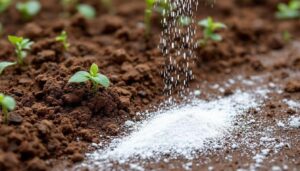
Creating the ideal growing medium often requires strategic amendments to existing soil. Sandy loam provides the gold standard for pistachio cultivation, offering both adequate drainage and sufficient nutrient retention. Heavy clay soils benefit from incorporating coarse sand, perlite, or gravel to improve drainage characteristics. Conversely, excessively sandy soils may require modest organic matter additions to enhance water retention without compromising drainage.
Incorporating lime substrates serves dual purposes: adjusting pH towards the slightly alkaline range pistachios prefer whilst simultaneously improving soil structure. These preparations create the foundation upon which healthy root systems develop, supporting vigorous growth throughout the tree’s lifespan.
With soil conditions optimised, attention shifts to the critical germination process that transforms dormant seeds into living plants.
Pistachio planting methods
Cold stratification techniques
Pistachio seeds require cold stratification to break dormancy and trigger germination. This process mimics the natural winter conditions seeds would experience in their native habitat. After extracting seeds from their shells and completing the viability test, wrap them in moistened paper towels or sphagnum moss, ensuring consistent dampness without saturation.
Place the wrapped seeds inside sealed plastic bags and refrigerate at temperatures between 1°C and 5°C for six to eight weeks. Regular monitoring prevents mould development, with weekly inspections allowing prompt removal of any compromised seeds. This stratification period proves essential for achieving high germination rates.
Direct sowing versus container starting
Gardeners face a choice between direct sowing in permanent locations or starting seeds in containers. Each approach offers distinct advantages:
- Direct sowing eliminates transplant shock and establishes deep taproots immediately
- Container starting allows controlled conditions and easier protection from pests
- Nursery cultivation enables selection of the strongest seedlings
- Field planting suits established gardens with appropriate spacing available
Spacing and positioning considerations
Mature pistachio trees reach heights approaching 9 metres with comparable canopy spreads, necessitating generous spacing between specimens. Plant trees at least 6 to 10 metres apart to prevent competition for nutrients, water, and sunlight. Full sun exposure throughout the day maximises photosynthetic efficiency and promotes optimal nut production in mature trees.
Position trees in locations offering protection from strong winds whilst maintaining excellent air circulation. This balance reduces mechanical damage whilst preventing fungal diseases that thrive in stagnant, humid conditions.
Once seeds occupy their growing positions, focus transitions to the ongoing care that sustains healthy development.
Caring for young trees
Watering schedules and techniques
Young pistachio trees require careful moisture management balancing their need for water against their susceptibility to root rot. During the first growing season, water deeply but infrequently, encouraging roots to penetrate deeply rather than spreading shallowly. Established watering patterns typically involve thorough soaking every 7 to 10 days during active growth, with adjustments based on temperature and rainfall.
As trees mature, gradually reduce watering frequency whilst maintaining deep irrigation when applied. This approach develops the drought tolerance for which pistachios are renowned whilst supporting vigorous growth during establishment.
Fertilisation requirements
Pistachio trees demonstrate modest nutritional demands compared to many fruit-bearing species. Apply balanced fertiliser sparingly during the first few years, focusing on nitrogen to support vegetative growth. Excessive fertilisation, particularly with nitrogen, can promote lush foliage at the expense of structural development and future nut production.
Annual soil testing guides fertilisation decisions, preventing nutrient imbalances that compromise tree health. Micronutrient deficiencies occasionally occur in alkaline soils, with iron and zinc requiring particular attention.
Pruning and training young specimens
Strategic pruning establishes the framework supporting decades of production. During the first three years, focus on developing a strong central leader with well-spaced lateral branches. Remove competing leaders, damaged wood, and branches growing at narrow angles prone to splitting under crop weight.
These formative practices create resilient trees capable of withstanding both environmental stresses and the challenges posed by various threats.
Protecting trees from pests and diseases
Common pest challenges
Several insects target pistachio trees, with aphids and spider mites presenting frequent concerns. These pests weaken trees through sap extraction whilst potentially transmitting diseases. Regular monitoring enables early detection when populations remain manageable through targeted interventions.
- Inspect foliage weekly during growing season
- Encourage beneficial insects providing natural pest control
- Apply horticultural oils when infestations exceed threshold levels
- Maintain tree vigour through proper cultural practices
Disease prevention strategies
Fungal diseases pose the greatest pathological threat to pistachio cultivation. Verticillium wilt and various root rots cause significant damage when conditions favour their development. Prevention through cultural practices proves more effective than treatment once infections establish.
Ensuring excellent drainage, avoiding overhead irrigation, and maintaining appropriate spacing all reduce disease pressure. Removing infected plant material promptly prevents pathogen spread to healthy specimens.
With trees protected and thriving, anticipation builds towards the rewarding harvest phase.
Harvesting and storing pistachios
Recognising harvest readiness
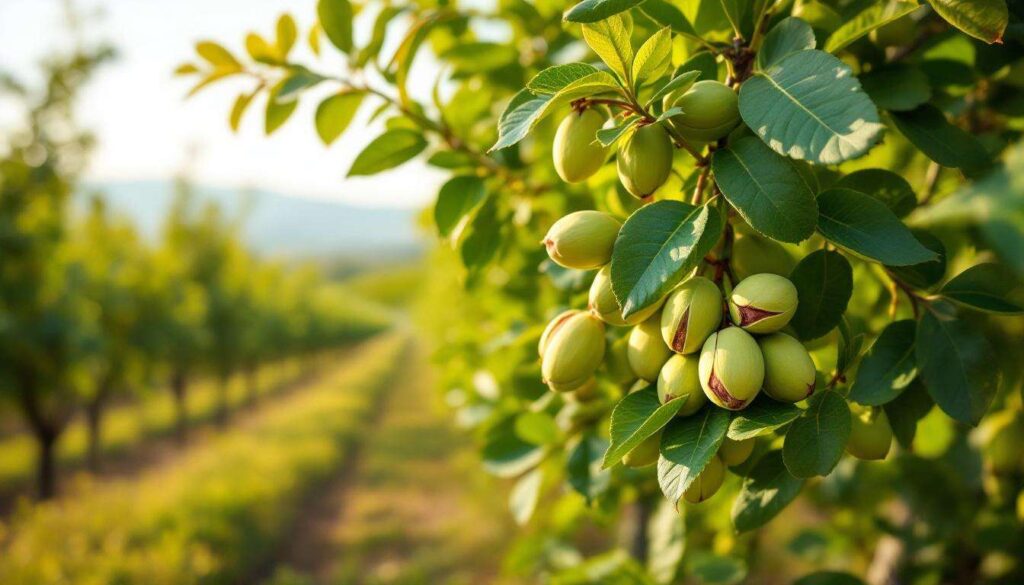
Pistachio trees typically commence bearing between their seventh and tenth years, with production increasing gradually as trees mature. Hull splitting signals harvest readiness, occurring when the outer hull separates from the shell beneath. This natural opening exposes the characteristic beige shell, indicating nuts have reached optimal maturity.
Harvest timing proves critical, as delayed collection allows pests access whilst premature picking yields underdeveloped kernels. Monitor trees closely as hulls begin splitting, preparing for prompt harvest.
Post-harvest processing
Immediately after collection, remove hulls to prevent staining and facilitate drying. Spread nuts in single layers in well-ventilated areas away from direct sunlight, allowing them to dry thoroughly over several days. Proper drying reduces moisture content below 5 per cent, essential for preventing mould during storage.
| Storage method | Duration | Conditions required |
|---|---|---|
| Room temperature | 3 months | Cool, dry, dark |
| Refrigeration | 1 year | Sealed containers |
| Freezing | 2 years | Airtight packaging |
Store dried pistachios in airtight containers within cool, dark locations. Refrigeration or freezing extends shelf life significantly, preserving flavour and nutritional quality for extended periods.
Successfully growing pistachio trees from fruits demands patience, attention to environmental requirements, and consistent care throughout establishment. By selecting viable seeds, preparing appropriate soil conditions, implementing proper planting techniques, and maintaining vigilant pest management, gardeners create the conditions necessary for these remarkable trees to flourish. The extended timeline from seed to first harvest tests commitment, yet the reward of home-grown pistachios and the satisfaction of nurturing century-lived specimens justifies the investment. With appropriate climate conditions and dedicated stewardship, these ancient cultivars transform gardens into productive landscapes yielding distinctive nuts for generations.