


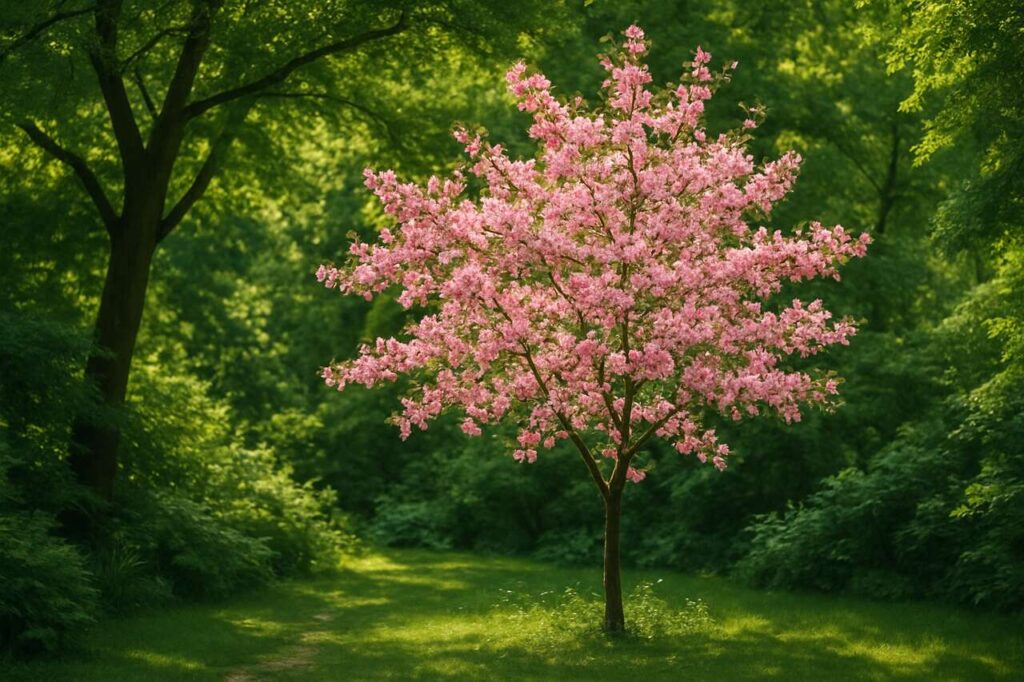
Transforming a garden into a flourishing sanctuary requires careful planning, particularly when working with shaded areas that receive limited sunlight. Many gardeners struggle to find suitable trees that can thrive in these conditions whilst providing visual interest during the spring months. The trembling poplar stands out as an exceptional choice for those seeking to establish a vibrant shaded garden that combines practical benefits with aesthetic appeal. This fast-growing deciduous tree offers creamy white bark, delicate spring catkins, and rustling foliage that creates both shelter and beauty throughout the seasons.
Why choose a spring-flowering tree for shaded gardens
Creating layered planting opportunities
Spring-flowering trees establish the structural foundation for successful shaded gardens. The trembling poplar produces small catkin flowers at the beginning of spring, offering early-season interest before its full canopy develops. This timing proves particularly valuable as it allows spring bulbs and early perennials to receive adequate sunlight before the tree’s summer foliage creates denser shade. The staggered growth pattern enables gardeners to cultivate a diverse range of plants beneath the canopy.
Maximising seasonal interest
A spring-flowering tree extends the visual appeal of shaded areas beyond a single season. The trembling poplar demonstrates this versatility through its changing characteristics:
- Early spring catkin production provides initial colour and texture
- Summer foliage develops fully by late spring, creating cooling shade
- Autumn brings golden hues that illuminate darker garden corners
- Winter reveals the distinctive creamy white bark against bare landscapes
This multi-seasonal performance ensures that shaded areas remain engaging focal points throughout the year, rather than becoming neglected spaces once spring blooms fade.
Supporting wildlife habitats
Spring-flowering trees attract pollinators and beneficial insects precisely when they emerge from winter dormancy. The catkin flowers of the trembling poplar provide essential early nectar sources for bees and other pollinators. As the tree matures, its structure offers nesting sites for birds whilst the rustling leaves create a dynamic environment that supports diverse wildlife populations.
Understanding these advantages naturally leads to the practical considerations of selecting appropriate specimens for specific garden conditions.
Selecting the best trees for spring shade
Evaluating growth characteristics
The trembling poplar exemplifies the ideal growth pattern for establishing shade relatively quickly. This tree demonstrates modest initial growth of approximately 30 to 60 centimetres during its first year, followed by increasingly vigorous development. Mature specimens reach impressive dimensions:
| Characteristic | Measurement |
|---|---|
| Maximum height | 15 metres |
| Maximum width | 9 metres |
| First-year growth | 30-60 centimetres |
Assessing site suitability
Successful tree selection requires careful evaluation of existing conditions. Before planting, gardeners should identify the type of shade present in their garden. Three primary categories exist:
- Light shade: areas receiving filtered sunlight through existing canopy
- Partial shade: locations with several hours of direct sun followed by shade
- Dense shade: spaces receiving minimal direct sunlight throughout the day
The trembling poplar adapts well to various light conditions whilst creating its own shaded microclimate as it matures. Its tolerance for different exposures makes it particularly versatile for gardens with variable light patterns.
Considering aesthetic qualities
Beyond functional requirements, the visual appeal of a shade tree significantly impacts overall garden design. The trembling poplar offers distinctive features including its creamy white trunk that provides year-round architectural interest. The characteristic movement of its leaves creates both visual dynamism and soothing auditory effects as they rustle in breezes. These sensory qualities transform shaded areas from purely practical spaces into engaging garden experiences.
Once the appropriate tree has been selected, understanding the broader advantages of shaded gardens helps inform planting strategies.
Benefits of a shaded garden
Environmental and economic advantages
Establishing shade trees delivers measurable benefits that extend beyond aesthetic improvements. Energy savings represent a significant practical advantage, as strategically placed trees reduce air conditioning costs by lowering ambient temperatures around buildings. Studies indicate that mature shade trees can decrease cooling expenses substantially during warmer months.
Property values also increase with well-planned tree planting. Research demonstrates that established trees can raise property values by up to 10 per cent, making them valuable long-term investments. This economic benefit combines with reduced energy costs to provide ongoing financial returns.
Ecological contributions
Shade trees function as critical components of healthy ecosystems. The trembling poplar and similar species provide multiple environmental services:
- Air purification through carbon dioxide absorption and oxygen production
- Soil enrichment via leaf decomposition and root activity
- Noise reduction by absorbing and deflecting sound waves
- Wind blocking that protects more delicate plantings
- Habitat creation for birds, insects, and small mammals
Creating comfortable outdoor spaces
Shaded gardens offer practical benefits for human enjoyment. The cooling effect of tree canopies makes outdoor spaces usable during warmer periods when unshaded areas become uncomfortably hot. This extended usability transforms gardens into true outdoor living areas rather than seasonal features. The dappled light beneath trees also creates ideal conditions for entertaining and relaxation.
Realising these benefits requires appropriate maintenance practices tailored to shaded conditions.
How to care for a tree in a shaded garden
Establishing proper watering routines
Young trees require consistent moisture to develop robust root systems. The trembling poplar benefits from regular deep watering during its establishment period, particularly during the first two growing seasons. Shaded locations often retain moisture longer than sunny spots, but gardeners must monitor soil conditions rather than following rigid schedules. Checking soil moisture at root depth ensures appropriate watering frequency.
Managing competing vegetation
Maintaining a clear area around the tree base reduces competition for nutrients and water. Mulching proves particularly effective in shaded gardens, as it suppresses weeds whilst retaining moisture. Apply organic mulch in a ring around the trunk, keeping it several centimetres away from the bark to prevent rot. This practice also improves soil structure as the mulch decomposes.
Pruning for health and structure
Strategic pruning maintains tree health and shape. Remove dead, damaged, or crossing branches during dormant periods to minimise stress. The trembling poplar requires minimal pruning once established, but early structural training ensures proper form. Key pruning objectives include:
- Removing competing leaders to establish a single main trunk
- Eliminating branches with narrow crotch angles prone to splitting
- Thinning dense growth to improve air circulation
- Raising the canopy gradually to accommodate underplanting
Even with proper care, certain mistakes can undermine planting success in shaded areas.
Mistakes to avoid when planting in shaded areas
Planting at incorrect depths
One of the most common errors involves planting trees too deeply, which suffocates roots and prevents proper establishment. The root flare should remain visible at soil level. In shaded gardens where soil may remain wetter, proper planting depth becomes even more critical to prevent root rot and other moisture-related problems.
Ignoring mature size requirements
Failing to account for a tree’s ultimate dimensions creates future problems. The trembling poplar reaches 15 metres in height and 9 metres in width, requiring adequate space for development. Planting too close to structures, utilities, or other trees necessitates expensive removal or severe pruning later. Calculate spacing based on mature dimensions rather than initial size.
Selecting incompatible companion plants
Not all shade-tolerant plants thrive beneath every tree species. Consider these factors when choosing underplanting:
- Root competition intensity varies between tree species
- Allelopathic effects from some trees inhibit nearby plant growth
- Moisture requirements must align between canopy and understory plants
- Seasonal light availability changes as deciduous trees leaf out
Plants such as hostas and astilbes integrate successfully with the trembling poplar, as they tolerate both the dappled shade and root competition present beneath its canopy.
Neglecting soil preparation
Shaded areas often feature compacted or poor-quality soil that requires amendment before planting. Incorporating organic matter improves drainage and nutrient availability, creating conditions conducive to healthy root development. Testing soil pH and structure before planting allows for targeted improvements rather than generic treatments.
Professional insights can help gardeners avoid these pitfalls whilst maximising planting success.
Expert tips for a successful shaded garden
Planning for long-term development
Successful shaded gardens result from careful advance planning rather than reactive planting. Map existing and anticipated shade patterns throughout the day and across seasons. This analysis reveals optimal locations for the trembling poplar and companion plants. Consider how shade will intensify as the tree matures, planning for eventual deep shade beneath the canopy whilst maintaining lighter conditions at the periphery.
Creating microclimates within the garden
Strategic tree placement generates diverse growing conditions that support varied plant communities. The trembling poplar’s rustling leaves and dappled shade create dynamic light patterns that benefit shade-tolerant perennials. Position the tree to shade heat-sensitive plants during afternoon hours whilst allowing morning sun to reach spring bulbs and early bloomers.
Maintaining soil health in shaded conditions
Shaded soils benefit from regular organic matter additions to counteract slower decomposition rates. Apply compost annually and allow fallen leaves to decompose in situ where appropriate. This practice mimics natural forest floor conditions whilst improving soil structure and fertility. Monitor pH levels periodically, as some trees acidify soil over time.
Integrating hardscape elements
Combining structural features with plantings enhances shaded garden functionality. Consider these additions:
- Permeable paving to reduce root competition whilst providing access
- Seating areas positioned to enjoy the rustling foliage and dappled light
- Lighting that highlights the trembling poplar’s distinctive white bark
- Water features that complement the tree’s natural soundscape
The trembling poplar represents an outstanding choice for gardeners seeking to establish productive, beautiful shaded areas. Its rapid growth, spring catkins, and distinctive appearance combine with practical benefits including energy savings and property value enhancement. Successful cultivation requires attention to planting depth, spacing, and soil preparation whilst avoiding common mistakes such as inadequate planning for mature size. By selecting compatible companion plants like hostas and astilbes, maintaining proper care routines, and following expert guidance on microclimate creation, gardeners can transform shaded spaces into thriving ecosystems. The investment in a well-chosen shade tree delivers returns across multiple dimensions, from reduced cooling costs to enhanced biodiversity, creating outdoor spaces that provide year-round interest and environmental benefits.