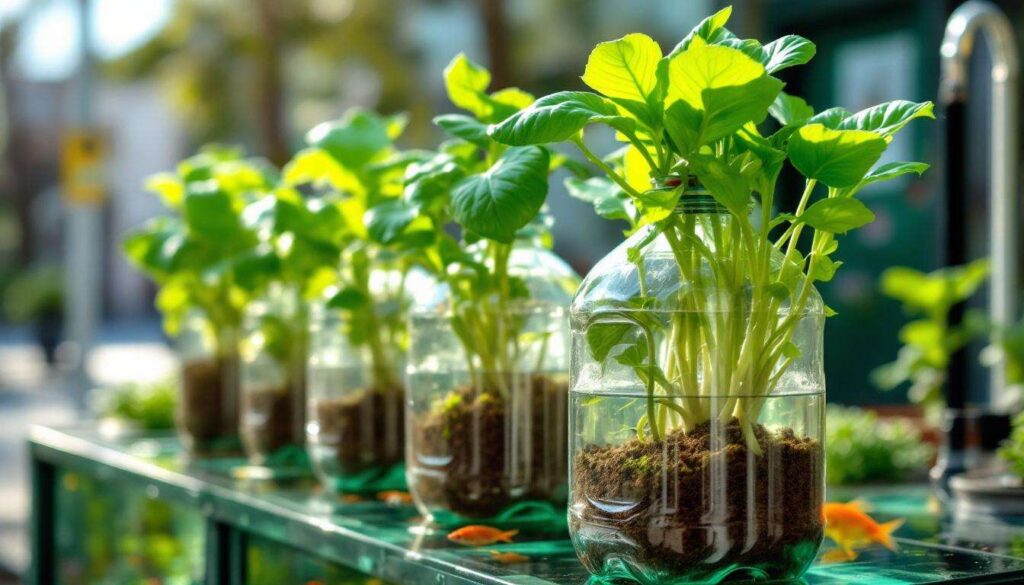
Urban gardening enthusiasts are discovering remarkable ways to cultivate fresh produce whilst addressing environmental concerns. The fusion of aquaculture and hydroponics creates a self-sustaining ecosystem where fish and vegetables support each other’s growth. This innovative approach transforms ordinary plastic bottles and fish tanks into productive growing systems that maximise space, conserve resources, and deliver impressive harvests in compact environments.
Introduction to Aquaponic Growing System
Understanding the symbiotic relationship
Aquaponics represents a circular ecosystem where fish and plants exist in mutual benefit. The fish produce waste containing ammonia, which beneficial bacteria convert into nitrates that plants absorb as nutrients. In return, plants filter and purify the water before it cycles back to the fish tank. This natural filtration process eliminates the need for chemical fertilisers whilst maintaining optimal water quality for aquatic life.
Core components of the system
A functional aquaponic setup requires several essential elements working in harmony:
- fish tank housing aquatic species that produce nutrient-rich waste
- growing containers fashioned from recycled plastic bottles
- water circulation pump ensuring continuous flow
- growing medium supporting plant roots and beneficial bacteria
- plumbing connections linking all components
The efficiency of this method stems from its closed-loop design, where water recirculates continuously rather than being discarded. This characteristic makes aquaponics particularly valuable in regions facing water scarcity or for gardeners seeking sustainable practices.
Understanding these fundamental principles provides the foundation for exploring why plastic bottles serve as excellent growing vessels within this innovative framework.
The Advantages of Growing in Plastic Bottles
Environmental benefits and waste reduction
Repurposing plastic bottles addresses two pressing concerns simultaneously: plastic pollution and sustainable food production. Each bottle diverted from landfills becomes a functional growing container, extending its useful life considerably. This practice aligns with circular economy principles whilst providing cost-effective materials for gardeners.
Space optimisation strategies
Plastic bottles offer remarkable versatility in spatial arrangements:
- vertical stacking maximises limited floor space
- horizontal positioning suits balconies and windowsills
- wall-mounted configurations transform unused surfaces
- tiered systems create multi-level growing zones
Practical advantages for urban gardeners
| Feature | Benefit |
|---|---|
| Lightweight construction | Easy repositioning and installation |
| Transparent material | Root monitoring and algae detection |
| Readily available | Minimal investment required |
| Customisable sizes | Accommodates various plant types |
The modular nature of bottle-based systems allows gardeners to expand gradually, testing techniques before committing to larger installations. This flexibility proves invaluable for beginners developing their skills.
With these advantages established, the practical steps for constructing a functional home system become the logical next consideration.
How to Create a Home Aquaponic System
Selecting appropriate fish species
Fish selection significantly influences system success. Tilapia thrives in warmer conditions and tolerates varying water parameters, whilst goldfish adapts well to cooler environments. Koi provide aesthetic appeal alongside functionality, though they require larger tanks. Consider local climate, available space, and intended harvest when choosing species.
Preparing plastic bottle containers
Bottle preparation involves several straightforward steps:
- thoroughly clean bottles removing labels and adhesive residue
- cut bottles horizontally or vertically depending on design preference
- create drainage holes ensuring proper water flow
- smooth sharp edges preventing injury during handling
- position bottles securely in chosen configuration
Establishing water circulation
The pump system forms the circulatory heart of aquaponics. Water flows from the fish tank through tubing into elevated growing containers, where gravity returns it after plant filtration. A timer automates this cycle, typically running fifteen minutes every hour. This intermittent flooding provides nutrients whilst preventing root saturation.
Introducing beneficial bacteria
The nitrogen cycle requires colonisation by nitrifying bacteria. These microorganisms convert toxic ammonia into plant-available nitrates. Allow three to six weeks for bacterial establishment before adding fish, monitoring ammonia and nitrite levels throughout. This cycling period ensures a stable biological filter protecting both fish and plants.
Once established, the system requires consistent attention to maintain optimal performance and productivity.
System Care and Maintenance
Water quality monitoring
Regular testing prevents problems before they escalate. Essential parameters include:
| Parameter | Ideal Range | Testing Frequency |
|---|---|---|
| pH level | 6.8-7.2 | Weekly |
| Ammonia | 0 ppm | Weekly |
| Nitrite | 0 ppm | Weekly |
| Nitrate | 20-40 ppm | Fortnightly |
Feeding schedules and fish care
Fish require consistent feeding matching their size and species requirements. Overfeeding creates excess waste overwhelming the system, whilst underfeeding limits nutrient availability for plants. Observe fish behaviour and adjust portions accordingly, typically feeding once or twice daily in quantities consumed within five minutes.
Plant maintenance tasks
Vegetation demands regular attention including:
- pruning dead or yellowing leaves
- harvesting mature produce promptly
- monitoring for pest infestations
- supporting heavy fruiting plants
- replacing depleted plants with new seedlings
These routine activities maintain system balance whilst maximising harvest yields throughout growing seasons.
Beyond basic maintenance, specific techniques can substantially enhance plant performance and productivity.
Optimising Plant Growth
Lighting requirements
Adequate illumination drives photosynthesis and robust development. Outdoor systems benefit from natural sunlight exposure of six to eight hours daily. Indoor installations require supplemental lighting using LED grow lights positioned fifteen to thirty centimetres above foliage. Adjust height as plants mature, maintaining optimal distance for light intensity without heat stress.
Nutrient supplementation
Whilst fish waste provides nitrogen, phosphorus, and potassium, certain minerals may require supplementation. Iron deficiency commonly appears as yellowing between leaf veins. Chelated iron additions correct this imbalance. Calcium and magnesium supplements prevent blossom end rot in fruiting vegetables. Regular observation identifies deficiencies before significant damage occurs.
Suitable vegetable varieties
Plant selection influences success rates considerably:
- leafy greens like lettuce, spinach, and kale thrive exceptionally
- herbs including basil, mint, and coriander produce abundantly
- fruiting plants such as tomatoes and peppers require larger containers
- root vegetables generally prove unsuitable for bottle systems
Matching plant requirements to system capabilities ensures optimal productivity and satisfaction with results.
Despite careful planning, challenges inevitably arise requiring prompt identification and resolution.
Challenges and Solutions for Successful Cultivation
Common obstacles encountered
Aquaponic practitioners frequently face several recurring issues. Algae growth appears when light reaches nutrient-rich water, competing with plants and affecting aesthetics. Temperature fluctuations stress both fish and plants, particularly during seasonal transitions. Pump failures interrupt circulation, threatening system stability within hours.
Practical solutions
| Challenge | Solution |
|---|---|
| Algae proliferation | Shield containers from direct light, reduce feeding |
| pH instability | Add crushed coral or limestone for buffering |
| Pump malfunction | Maintain backup pump, clean intake regularly |
| Pest infestation | Introduce beneficial insects, use organic sprays |
Preventative measures
Proactive management minimises disruptions. Regular equipment inspection identifies wear before failures occur. Maintaining spare parts ensures rapid repairs. Gradual system changes prevent shock to established biological communities. Documentation of parameters reveals patterns indicating developing problems.
The integration of aquaponics using plastic bottles and fish tanks delivers sustainable food production in compact spaces. This method conserves water dramatically compared to traditional gardening whilst recycling materials otherwise destined for landfills. The symbiotic relationship between fish and plants creates a self-regulating ecosystem requiring minimal external inputs once established. Urban gardeners gain access to fresh vegetables and potentially fish protein from systems fitting balconies or small yards. Success demands attention to water quality, appropriate species selection, and consistent maintenance routines. Despite challenges like algae management and equipment reliability, straightforward solutions exist for common obstacles. This innovative approach demonstrates how environmental consciousness and productive gardening coexist harmoniously, offering practical sustainability for modern living spaces.