
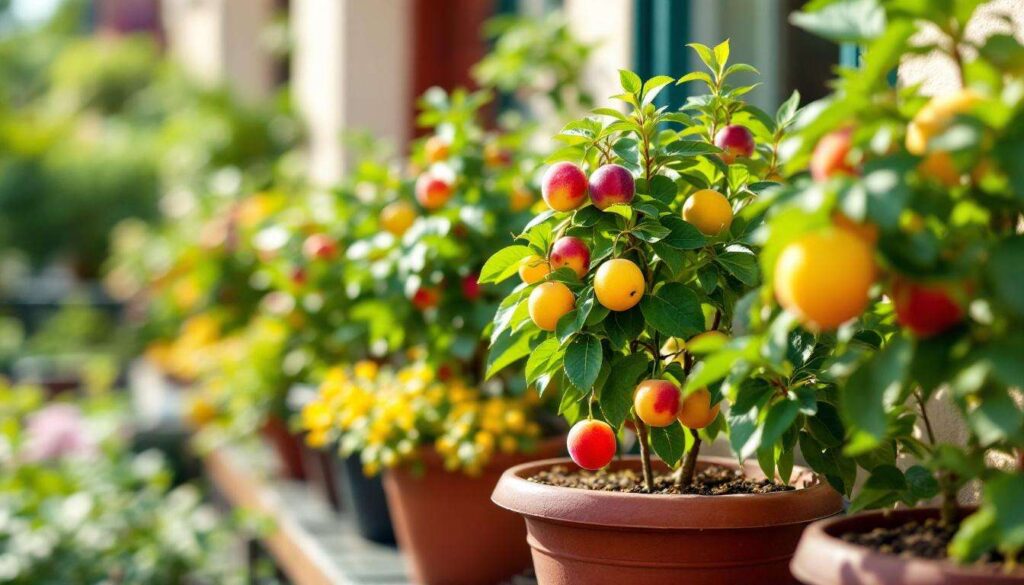
Urban gardening continues to transform how city dwellers approach food production, with container-grown fruit trees emerging as a practical solution for those with limited outdoor space. Balconies, patios, and small courtyards can now host productive fruit trees that once required expansive orchards. The shift towards sustainable living and self-sufficiency has driven gardeners to explore dwarf varieties specifically bred for confined environments. These compact trees deliver fresh, flavourful harvests without demanding extensive ground space, making them ideal for modern urban lifestyles.
Growing lemon trees in pots
Selecting the right lemon variety for containers
Lemon trees rank among the most popular choices for container cultivation, particularly the Meyer lemon variety. This cultivar produces sweeter, less acidic fruits compared to traditional lemons whilst maintaining a naturally compact growth habit. The Meyer lemon typically reaches heights between 1.2 and 1.8 metres when grown in pots, making it perfectly suited for balconies and patios. Its fragrant white blossoms add ornamental value beyond the edible harvest, creating a sensory experience that enhances outdoor living spaces.
Essential care requirements for potted lemons
Successful lemon cultivation in containers depends on meeting specific environmental and nutritional needs:
- Provide 6 to 8 hours of direct sunlight daily for optimal fruit production
- Use well-draining potting mix specifically formulated for citrus trees
- Water regularly, allowing the top 5 centimetres of soil to dry between waterings
- Feed with citrus-specific fertiliser during the growing season
- Protect from frost by moving indoors when temperatures drop below 10°C
Container size matters considerably for lemon trees. A pot with a minimum diameter of 40 centimetres provides adequate root space, though larger containers of 50 to 60 centimetres promote healthier growth. Drainage holes are absolutely essential to prevent waterlogged roots, which can lead to root rot and tree decline.
| Container Size | Tree Age | Expected Height |
|---|---|---|
| 40 cm diameter | 1-2 years | 90-120 cm |
| 50 cm diameter | 3-4 years | 120-150 cm |
| 60 cm diameter | 5+ years | 150-180 cm |
Whilst citrus trees offer year-round visual interest, other fruit species provide equally compelling options for small-space gardening.
Benefits of dwarf fig trees in containers
Why figs excel in confined spaces
Dwarf fig varieties demonstrate remarkable adaptability to container growing, producing abundant sweet fruits despite their compact size. These trees naturally restrict their growth when root-bound, making them self-regulating in pots. Unlike many fruit trees requiring cross-pollination, most fig varieties are self-fertile, meaning a single tree can produce a full crop without a pollination partner. This characteristic makes them exceptionally practical for gardeners with space for only one or two containers.
Rapid maturation and decorative appeal
Fig trees grown in containers typically begin bearing fruit within two to three years, offering relatively quick returns compared to other fruit species. Their large, distinctive leaves create an architectural presence that enhances outdoor aesthetics even when not fruiting. The trees produce two crops annually in suitable climates: an early summer crop on previous year’s growth and a main autumn harvest on new wood.
- Tolerate partial shade better than most fruit trees
- Require minimal pruning to maintain shape
- Demonstrate excellent drought tolerance once established
- Produce fruits without chemical sprays in most environments
Container-grown figs benefit from winter protection in cooler climates, either by moving them to sheltered locations or wrapping pots with insulating material. This flexibility in positioning represents another advantage of container cultivation, allowing gardeners to optimise growing conditions throughout the seasons. Stone fruits present different but equally manageable cultivation challenges.
Peach trees in limited spaces
Dwarf peach varieties for patio cultivation
Peach trees bred for container growing deliver full-sized fruits on trees rarely exceeding 1.5 metres in height. Genetic dwarf varieties maintain compact proportions without requiring dwarfing rootstocks, ensuring reliable performance in pots. These trees produce spectacular spring blossoms followed by juicy, aromatic peaches that rival orchard-grown specimens in flavour and quality.
Managing peach trees in containers
Peaches demand consistent care but reward attentive gardeners with impressive harvests. Container cultivation actually simplifies several aspects of peach tree management:
- Easier pest monitoring and treatment on accessible trees
- Improved air circulation reduces fungal disease pressure
- Simplified netting against birds during fruiting season
- Better control over soil quality and drainage
Peach trees require full sun exposure and benefit from annual repotting or top-dressing to refresh nutrients. Pruning maintains the open centre shape that promotes light penetration and air movement throughout the canopy. Thinning fruits to 10 to 15 centimetres apart ensures larger, sweeter peaches rather than numerous small fruits.
| Care Aspect | Frequency | Timing |
|---|---|---|
| Watering | 2-3 times weekly | Growing season |
| Fertilising | Monthly | Spring to summer |
| Pruning | Annually | Late winter |
Cherry trees offer similar rewards with slightly different cultivation requirements that suit various gardening preferences.
Choosing dwarf cherry trees for your patio
Sweet versus sour cherry varieties
Both sweet and sour cherries thrive in containers, though sour varieties generally prove more compact and self-fertile. Sweet cherry cultivars often require a pollination partner, though self-fertile varieties like Stella eliminate this complication. Dwarf sour cherries typically reach 1.2 to 1.5 metres, whilst dwarf sweet cherries may grow slightly taller at 1.5 to 2 metres in optimal conditions.
Container specifications for cherry cultivation
Cherry trees demand substantial root space to support their fruit production. Containers should measure at least 50 centimetres in diameter and depth, with excellent drainage to prevent waterlogging. The pot material influences temperature regulation, with lighter-coloured containers reflecting heat and preventing root stress during hot weather.
- Position in full sun for maximum fruit sweetness
- Provide support stakes for young trees
- Apply mulch to container surface to retain moisture
- Protect blossoms from late frosts with fleece covers
Cherry trees benefit from winter chilling hours to set fruit properly, making them suitable for temperate climates. Container mobility allows moving trees to unheated garages or sheds during extreme cold, protecting roots whilst still providing necessary chilling. Apple trees present comparable cultivation opportunities with distinctive varietal options.
Leveraging dwarf apple tree varieties
Popular dwarf apple cultivars
Dwarf apple varieties such as Honeycrisp and Fuji perform exceptionally well in containers, reaching 1.2 to 2.4 metres at maturity. These cultivars produce full-sized apples identical to those from standard trees, with harvests beginning within three to four years of planting. The compact growth habit results from grafting onto dwarfing rootstocks that limit tree size whilst maintaining fruit quality.
Pollination considerations for container apples
Most apple varieties require cross-pollination from a different cultivar blooming simultaneously. Container gardeners can address this requirement through several strategies:
- Plant two compatible varieties in separate containers
- Graft multiple varieties onto a single rootstock
- Rely on neighbouring gardens with compatible apple trees
- Select self-fertile varieties requiring no pollination partner
| Apple Variety | Pollination Needs | Harvest Time |
|---|---|---|
| Honeycrisp | Requires partner | Early autumn |
| Fuji | Requires partner | Late autumn |
| Garden Delicious | Self-fertile | Mid-autumn |
Apple trees benefit from annual pruning to maintain their compact form and encourage fruiting spurs. Thinning fruits when marble-sized ensures larger apples with superior flavour development. Understanding general maintenance principles enhances success across all container fruit species.
Maintenance tips for potted fruit trees
Watering strategies for container fruits
Container-grown fruit trees require more frequent watering than ground-planted specimens due to limited soil volume. During active growth and fruiting, daily watering may prove necessary in hot weather. Implementing a consistent watering schedule prevents stress that can trigger fruit drop or reduced harvest quality.
- Check soil moisture by inserting a finger 5 centimetres deep
- Water thoroughly until drainage emerges from pot holes
- Reduce watering frequency during dormancy
- Install drip irrigation systems for consistent moisture delivery
Fertilisation requirements for optimal production
Potted fruit trees exhaust available nutrients more quickly than garden-planted trees. Regular fertilisation throughout the growing season maintains vigour and supports fruit development. Slow-release granular fertilisers provide steady nutrition, whilst liquid feeds offer quick boosts during critical growth phases.
Repotting and root management
Young trees benefit from repotting every two years into progressively larger containers until reaching their final pot size. Mature trees require root pruning and fresh compost every three to four years to maintain health. This process involves removing the tree, trimming circling roots, and replanting with new growing medium.
| Maintenance Task | Spring | Summer | Autumn | Winter |
|---|---|---|---|---|
| Fertilising | Yes | Yes | No | No |
| Pruning | Yes | Light only | No | Yes |
| Pest monitoring | Yes | Yes | Yes | No |
Winter protection strategies
Container roots are more vulnerable to freezing than ground-planted trees. Protecting pots during winter ensures tree survival and spring productivity:
- Move containers to sheltered locations against buildings
- Wrap pots with bubble wrap or hessian
- Group containers together for mutual insulation
- Elevate pots on feet to improve drainage and prevent freeze damage
Container fruit cultivation transforms limited spaces into productive gardens that supply fresh, flavourful harvests throughout the growing season. The seven fruit trees highlighted demonstrate that small-space gardeners need not sacrifice variety or quality when growing their own produce. Dwarf varieties bred specifically for container culture deliver full-sized fruits on manageable trees that fit balconies, patios, and compact courtyards. With proper variety selection, appropriate container sizing, and consistent maintenance, urban gardeners achieve rewarding harvests that rival traditional orchard production. The mobility of container growing offers unique advantages in pest management, climate protection, and space optimisation that ground planting cannot match.