

Growing your own food has evolved from a simple hobby into a strategic approach to household resilience. With rising grocery costs and increasing concerns about supply chain vulnerabilities, establishing a survival garden offers practical solutions for families seeking greater control over their nutrition. The selection of appropriate crops forms the foundation of any successful self-sufficiency venture, requiring careful consideration of nutritional value, storage potential, and cultivation requirements.
Why choose a survival garden ?
Economic advantages and food security
The financial benefits of maintaining a survival garden extend well beyond the initial seed investment. Households can reduce their annual food expenditure significantly whilst simultaneously improving the quality of produce consumed. Unlike shop-bought vegetables that may have travelled considerable distances, home-grown crops reach the table at peak freshness, retaining maximum nutritional content.
Food security represents another compelling motivation. Supply disruptions, whether caused by extreme weather events, transport issues, or economic instability, can leave families vulnerable. A well-planned survival garden provides:
- Consistent access to fresh vegetables regardless of external circumstances
- Independence from fluctuating market prices
- Protection against potential shortages of specific commodities
- The ability to feed a family during unexpected financial difficulties
Health and environmental considerations
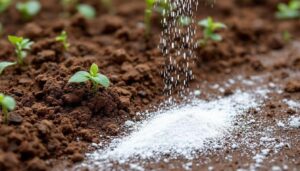
Control over cultivation methods allows gardeners to avoid synthetic pesticides and fertilisers, producing genuinely organic food. This approach not only benefits personal health but also contributes to environmental sustainability by reducing reliance on industrial agriculture. The physical activity involved in gardening provides additional wellness benefits, combining productive work with exercise.
Understanding these foundational motivations naturally leads to questions about how to structure such a garden effectively.
Designing an effective survival garden
Assessing available space and resources
Successful survival gardens begin with realistic assessment of available resources. Space limitations need not prevent productive cultivation, as even modest plots can yield substantial harvests when properly managed. Consider the following factors during the planning phase:
- Total square metreage available for cultivation
- Sunlight exposure throughout different seasons
- Water access and irrigation possibilities
- Soil quality and drainage characteristics
- Local climate patterns and frost dates
Layout strategies for maximum productivity
Garden layout significantly influences overall productivity. Companion planting techniques allow certain crops to support each other’s growth whilst deterring pests naturally. Vertical growing systems maximise space utilisation, particularly valuable for smaller gardens. Raised beds improve drainage and soil quality whilst reducing physical strain during maintenance.
| Garden size | Recommended layout | Expected yield |
|---|---|---|
| Small (under 20m²) | Intensive raised beds with vertical supports | Sufficient for 2 people |
| Medium (20-50m²) | Mixed beds with rotation zones | Family of 4 with surplus |
| Large (over 50m²) | Traditional rows with companion zones | Extended family with preservation stocks |
With structural considerations addressed, attention must turn to selecting crops that deliver genuine survival value.
Essential crops for food self-sufficiency
Carbohydrate-rich staples
Potatoes deserve their reputation as the cornerstone of survival gardens. Their impressive yield per square metre, combined with excellent storage characteristics, makes them indispensable. A single potato plant can produce several kilograms of tubers, providing substantial calories and essential nutrients including vitamin C and potassium.
Sweet potatoes offer similar advantages with enhanced nutritional profiles. Their high beta-carotene content supports immune function, whilst their natural sweetness provides variety in meal planning. Storage longevity extends through winter months when properly cured and kept in appropriate conditions.
Corn represents versatility incarnate. Fresh consumption during summer transitions to dried kernels for grinding into flour or meal. The stalks themselves provide structural support for climbing beans, exemplifying efficient space utilisation through companion planting.
Protein and nutrient sources
Legumes, particularly beans, contribute essential proteins whilst improving soil fertility through nitrogen fixation. Varieties suitable for survival gardens include:
- Runner beans for fresh consumption and drying
- Broad beans for early season harvests
- French beans for continuous production
- Peas for both fresh eating and dried storage
Root vegetables for reliable yields
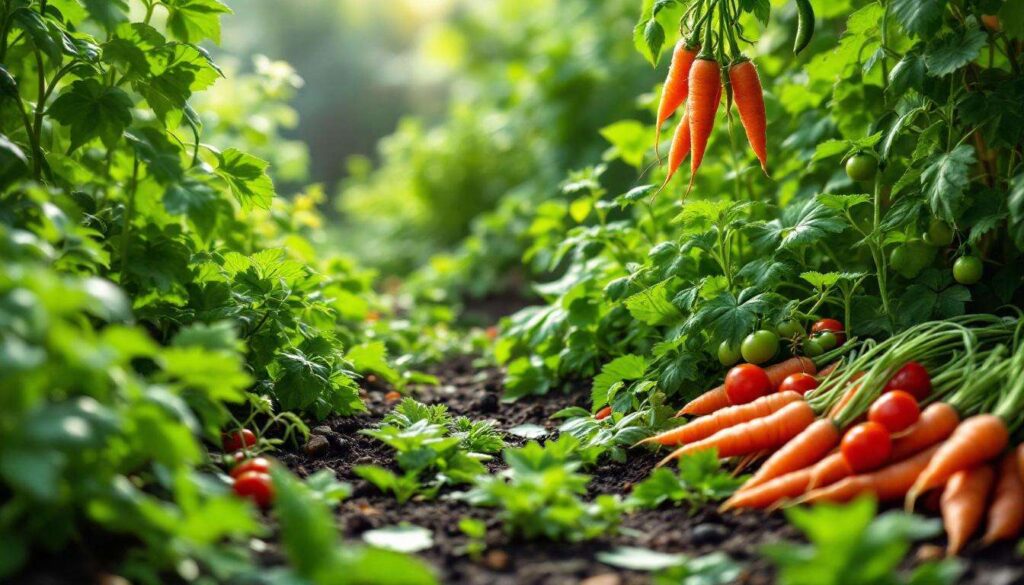
Carrots thrive in well-prepared soil, storing excellently either in the ground or in sand-filled containers. Their vitamin A content supports vision and immune health. Beets provide dual harvests, with both roots and greens offering nutritional value. Their tolerance of various growing conditions makes them dependable producers.
Radishes mature rapidly, often ready within four weeks of sowing. This characteristic allows multiple successive plantings throughout the growing season. Sunchokes require minimal maintenance once established, producing prolifically year after year with almost no intervention.
Flavour and preservation essentials
Onions form the flavour foundation of countless dishes whilst storing for extended periods. Their cultivation requires patience but rewards with substantial harvests. Squash varieties, including butternut and acorn types, provide carbohydrates and store naturally for months without processing.
Growing these crops successfully requires understanding how to preserve their bounty effectively.
Storage and preservation of harvests
Traditional storage methods
Root cellaring remains one of the most effective preservation techniques for survival crops. Cool, dark, humid conditions extend the life of potatoes, carrots, beets, and other root vegetables naturally. Proper ventilation prevents rot whilst maintaining appropriate moisture levels preserves texture and flavour.
Dry storage suits crops including onions, garlic, and winter squash. These require curing periods followed by storage in cool, dry locations with good air circulation. Hanging methods work particularly well for onions and garlic, preventing moisture accumulation.
Processing for long-term preservation
Preservation techniques multiply the value of harvest surpluses:
- Freezing maintains nutritional content for vegetables like spinach and beans
- Canning provides shelf-stable options for tomatoes and legumes
- Dehydrating concentrates nutrients in crops like celery and greens
- Fermentation enhances digestibility whilst preserving vegetables like cabbage
| Preservation method | Suitable crops | Storage duration |
|---|---|---|
| Root cellaring | Potatoes, carrots, beets | 4-8 months |
| Dry storage | Onions, squash, beans | 6-12 months |
| Freezing | Spinach, beans, corn | 8-12 months |
| Canning | Most vegetables | 12-24 months |
Whilst annual crops require yearly replanting, incorporating perennials reduces ongoing labour requirements.
Maximising space with perennial crops
Establishing permanent productive zones
Perennial vegetables provide harvests year after year from single plantings, representing excellent value for limited space. Sunchokes establish quickly, spreading to form productive patches that require minimal maintenance. Their tubers remain harvestable throughout winter, providing fresh food during the leanest months.
Asparagus requires patience during establishment but rewards with decades of spring harvests. Rhubarb thrives in cooler climates, producing reliably each spring for cooking and preservation. These permanent plantings free up space in annual beds whilst diversifying harvest schedules.
Fruit-bearing perennials
Strawberries bridge the gap between annual vegetables and permanent fruit crops. They establish quickly, producing fruit within months of planting. Their spreading habit fills spaces efficiently, whilst their relatively compact size suits smaller gardens. Berry bushes, though requiring more space, provide substantial harvests with minimal ongoing care.
Complementing these substantial crops with nutritious greens completes a balanced survival garden.
Adding greens to your survival vegetable garden
Cold-hardy leafy vegetables
Collard greens demonstrate remarkable cold tolerance, continuing production through frosts that halt other crops. Their nutritional density, particularly calcium and vitamins A and K, makes them invaluable for winter nutrition. Multiple harvests from single plants extend their productivity across months.
Spinach grows rapidly in cool conditions, providing early spring and late autumn harvests. Its versatility in fresh and cooked applications increases meal variety. Successive sowings ensure continuous availability during suitable growing periods.
Year-round green production
Celery requires consistent moisture but rewards with crisp stalks useful in countless recipes. Its leaves provide flavouring for stocks and soups. Growing celery from base remnants reduces seed requirements, demonstrating resourceful gardening practices.
Planning green production throughout seasons ensures consistent access to fresh nutrients:
- Spring: spinach, early lettuce varieties
- Summer: heat-tolerant greens, celery
- Autumn: kale, chard, late spinach
- Winter: collards, overwintered varieties under protection
Establishing a survival garden represents a practical investment in household resilience and food security. The fourteen essential crops outlined provide balanced nutrition through carbohydrates, proteins, vitamins, and minerals whilst offering excellent storage characteristics. Thoughtful garden design maximises productivity regardless of available space, whilst preservation techniques extend harvest value throughout the year. Incorporating perennial crops reduces ongoing labour whilst diversifying harvest schedules. Success requires initial planning and consistent maintenance, but the rewards of fresh, nutritious food and genuine self-sufficiency justify the effort invested in cultivating these essential crops.